

Wedding planners aren’t just day-of coordinators; they’re vision translators, crisis preventers, and family mediators. You’re hiring 528+ hours of timeline architecture, vendor-speak translation, and emotional scaffolding. We create invisible safety nets—scrutinizing contracts, anticipating weather disasters, managing family interactions—while making 60-hour workweeks look effortless. Your Pinterest board becomes our technical blueprint as we transform abstract concepts into concrete directives. The wedding magic you’ll remember happens in those unseen details where potential disasters never materialized.
What Couples Think Planners Do vs Reality

While couples often envision their wedding planner as a fairy godparent who’ll magically manifest Pinterest boards into reality, the actual scope of planning work runs far deeper—and yet remains more narrowly defined than most realize.
The wedding planner role isn’t about setting your budget or crafting your guest list—these deeply personal decisions remain squarely in your court. We don’t determine how much you should spend; we architect possibilities within the financial boundaries you’ve already established. And yet, our planner responsibilities extend far beyond mere vendor suggestions. We’re conducting symphonies of contracts, negotiating prices, reviewing legal language, coordinating timelines accurate to the minute.
The wedding planning profession operates in that essential space between vision and execution—translating your dreams into actionable vendor instructions, preventing crises before they materialize, and orchestrating complex human dynamics that, when done right, you’ll never even notice happened. Part of our expertise involves helping you navigate timing leverage points like off-peak dates and weekday ceremonies that can significantly impact your budget without compromising your vision. We work irregular hours to meet with clients during evenings and weekends, ensuring availability when you need us most.
Crisis Prevention and Disaster Aversion
How often does the perfect wedding happen without a single hiccup behind the scenes? Almost never. The difference between disaster and “seamless” execution is rigorous risk assessment—a thorough evaluation of everything that could possibly go wrong, from weather emergencies to vendor no-shows.
Wedding planners aren’t just decorators; we’re crisis architects who build invisible safety nets beneath your celebration. We’re constantly running worst-case scenarios and developing contingency plans you’ll hopefully never know existed. Our team assigns specific crisis roles to each coordinator on duty, ensuring everyone knows exactly what to do if emergencies arise.
Behind every flawless wedding is a planner who’s already solved fifty potential disasters before you even knew they were possible.
- Constructing multi-layered communication protocols that ensure real-time coordination between 12+ vendors through dedicated channels
- Designing crisis response plans tailored to your venue’s specific challenges—evacuation routes, backup power solutions, weather alternatives
- Creating detailed timelines with built-in buffers that accommodate inevitable delays without guests noticing
- Allocating a contingency fund of 12.5-15% of your total budget specifically for unforeseen issues that arise despite meticulous planning
This invisible infrastructure of preparation means you’ll never witness the near-catastrophes we’ve quietly managed. We’ve already solved problems you didn’t know existed—and that’s exactly how it should be.
Vendor Translation and Coordination

Behind every polished wedding reception lies an elaborate language barrier that few couples understand—vendor-speak varies dramatically across industries, from photographer jargon about “golden hour” to caterers discussing “satellite stations.” Your planner isn’t just coordinating these professionals; we’re translating between distinct professional worlds that rarely communicate directly with each other.
We’re your bilingual guide through contract negotiations, scrutinizing every clause to ensure your vision materializes. When we create the master timeline, we’re not simply scheduling—we’re architecting an intricate dance between 8-12 vendors who must perform in perfect synchronicity. That catering truck arriving 45 minutes late? It triggers a catastrophic domino effect. And yet, the coordination isn’t merely logistical. We’re constantly interpreting your aesthetic vocabulary into actionable directives for vendors who think in technical parameters, not emotional outcomes. We transform your Pinterest dreams into executable vendor communication. This translation extends to working with specialists in glamorous wedding dresses and gowns, where we bridge the gap between your romantic vision and the designer’s technical specifications about silhouettes, fabrications, and construction details.
Timeline Architecture
Speaking multiple vendor languages forms just one part of the wedding planning puzzle—the true masterpiece lies in constructing the timeline architecture that determines whether your celebration unfolds with grace or collapses into chaos. Timeline development begins 12 months out, mapping every milestone against vendor availability windows—and yes, booking your photographer at month 10 rather than month 8 can mean losing your first choice entirely.
What you’re actually paying for is schedule mapping expertise that prevents disasters before they materialize:
- Calculating backward from ceremony time to determine when hair and makeup must start—accounting for your 8 bridesmaids, 2 mothers, and your own 90-minute styling session
- Coordinating vendor load-in sequences that prevent your florist from waiting three hours while the tent company finishes
- Creating minute-by-minute reception flows that ensure dinner service completes before your grandparents reach their social endurance limit
This isn’t scheduling—it’s architectural engineering with human variables. The complexity becomes clear when you consider that most couples invest approximately 528 hours of planning—equivalent to more than a month of full-time work—navigating vendor calendars, lead times, and booking windows that create an intricate scheduling puzzle where one delayed decision cascades into limited options across every other category.
Family Dynamics Navigation
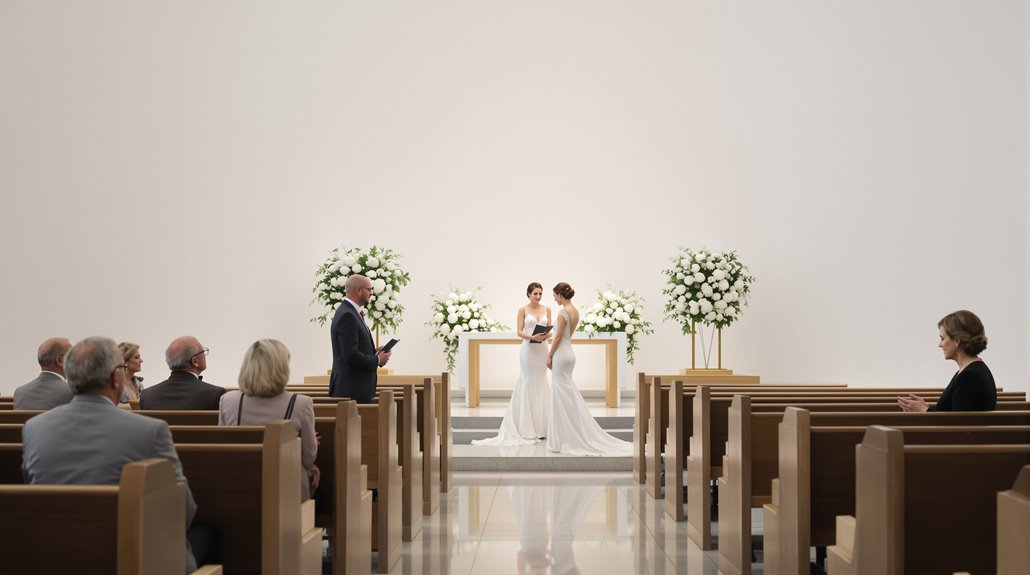
While timeline architecture establishes your wedding’s structural foundation, steering family interactions represents the often invisible emotional scaffolding that can either strengthen or collapse your entire planning process. Your planner isn’t just coordinating vendors—they’re orchestrating intricate boundary establishment between well-meaning but overwhelming relatives, creating communication protocols that prevent information cascades from turning into family feuds.
We spend 60% of our time navigating the psychological terrain between your mother’s vision and your fiancé’s expectations. This involves diplomatic conflict mediation when your future mother-in-law insists on inviting 47 distant relatives you’ve never met. We’re translating “helpful suggestions” into manageable actions while protecting your core vision.
Every wedding has at least three competing family agendas. Your planner isn’t executing Pinterest boards—they’re building relational architecture that preserves your sanity and relationships long after the last dance ends. Much like planning a destination wedding in scenic landscapes requires balancing multiple stakeholder visions, domestic celebrations demand the same careful negotiation of competing family priorities.
Design Vision Articulation
Beyond the emotional minefields of family relationships lies the heart of what makes your wedding uniquely yours—the aesthetic vision that transforms abstract emotions into tangible experiences. Vision articulation isn’t about Pinterest-perfect execution but translating your deepest desires into a cohesive style & aesthetic definition that vendors can actually implement. We start with big-picture thinking—determining your overall aesthetic first, then color scheme, then table design—not the reverse.
Your aesthetic vision isn’t decoration—it’s the bridge that transforms your emotions into an experience guests can step into.
- Creating all-encompassing mood boards isn’t frivolous; it’s establishing visual shorthand that keeps everyone aligned through 12+ months of planning
- Look books function as decision-making anchors, preventing the common “Pinterest spiral” where couples endlessly accumulate conflicting inspiration
- Master booklets connect abstract concepts to concrete execution details for on-site teams
Your planner’s job? Distilling your sometimes-contradictory inspirations into a coherent vision that feels authentically you, then creating documentation that makes that vision buildable in the real world. For couples considering destination weddings in California, this vision work becomes especially crucial when coordinating with venues across wine country or coastal locations where site visits may be limited.
What Planners Wish Couples Understood

Despite years of professional experience orchestrating flawless events, wedding planners continually face misconceptions that undermine their ability to serve clients effectively. The wedding planner role extends far beyond Pinterest board execution—we’re financial tacticians who prevent $8,000 overspends before they happen, not just day-of coordinators.
Most couples hire us too late, after they’ve already committed to 40% of their budget on suboptimal contracts. And yet, early involvement doesn’t mean surrendering control; it means gaining a translator who can decode vendor-speak and prevent the three most common budget-killers: venue misalignment, guest count creep, and scope expansion.
Professional guidance shouldn’t feel restrictive—it’s liberating. We don’t dictate vision; we articulate and defend yours when vendors inevitably push their preferences. Budget management isn’t about cheapening your day; it’s about tactical allocation to elements you’ll actually remember ten years later. For Catholic couples, understanding the requirements of the Catholic marriage sacrament early in the planning process helps us coordinate both the liturgical and reception elements seamlessly.
Conclusion
The truth about wedding planners extends well beyond the misconceptions we’ve addressed. When you hire a wedding planner, you’re not simply engaging someone to create aesthetic displays or manage vendors—you’re enlisting a crisis prevention specialist, a family dynamics navigator, a timeline architect. The wedding planner role encompasses psychological support as much as logistical expertise. And yet, their value remains consistently underestimated.
- They translate vendor-speak into actionable decisions, saving you from costly miscommunications that plague DIY weddings
- They articulate design visions that reflect your authentic selves, not merely reproduce Pinterest algorithms
- They prevent crises you’ll never know existed—their greatest achievements remain invisible
The planner job reality involves 60-hour work weeks during peak season, emotional labor beyond measure, and professional expertise developed through hundreds of events. Understanding this reality helps you optimize their talents—and appreciate why their services command what they’re worth. Many planners also maintain expertise in advanced skincare recommendations for pre-wedding consultations, ensuring couples look their best through professional-grade product guidance.