
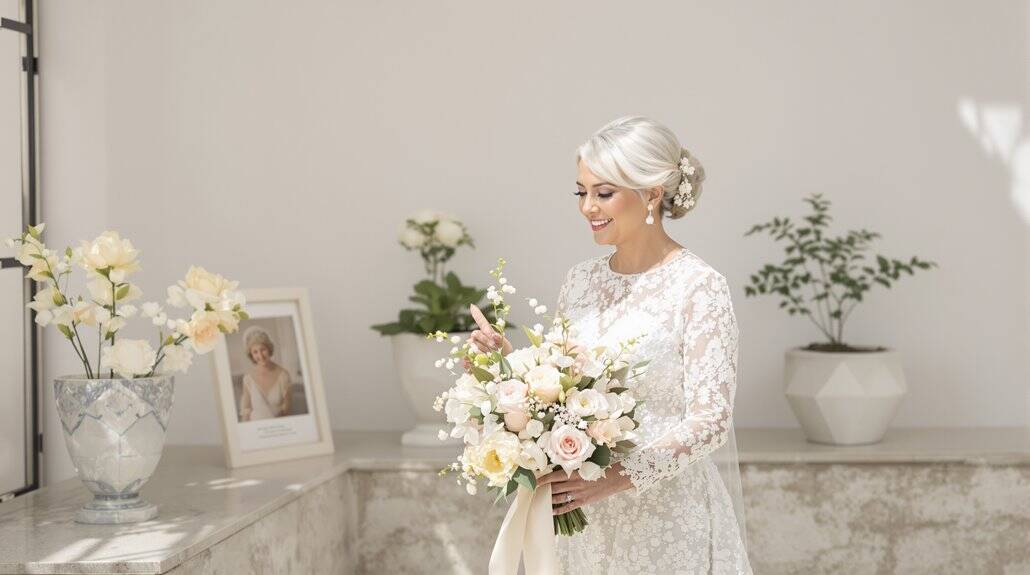
Roses, peonies, lilies, and tulips aren’t just flowers—they’re time machines. When you choose these blooms your grandmother instantly recognizes, you’re activating neural pathways to her deepest memories: Sunday dinners, wedding celebrations, sacred moments of grief and joy. These living heirlooms create conversation bridges across generations, with 75% of seniors recalling specific flower names and meanings. Planting these varieties doesn’t just honor tradition; it weaves your story into a botanical autobiography stretching back centuries.
Heritage Flowers as Generational Bridge
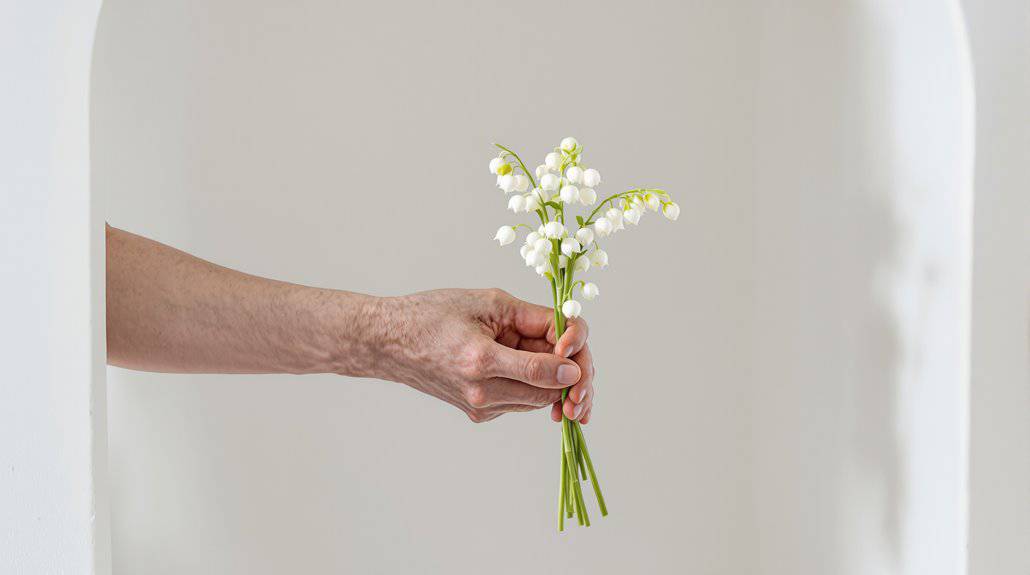
How deeply do the roots of our floral heritage extend through time? When you plant grandmother flowers—varieties dating before the 1950s—you’re cultivating more than petals and stems. You’re establishing living dialogue with your ancestors.
These heritage flower varieties carry genetic codes unchanged for centuries. The sweet pea ‘Painted Lady’ has remained identical since 1730—almost three hundred years of continuous cultivation. Traditional wedding flowers once carried in your great-grandmother’s trembling hands can bloom again in your garden, their fragrance unchanged since Victoria’s reign. And yet, this continuity isn’t merely sentimental; it’s biologically significant. These open-pollinated treasures contain resilience modern hybrids lack.
When daffodils planted by your grandmother‘s hands continue multiplying decades after her passing, they become her emissaries—proving how gardens transcend mortality, letting the dead speak through scent and color. The Southern heirloom daffodil ‘Carlton’ demonstrates this resilience, having multiplied from shared plants while remaining resistant to diseases that plague modern varieties. Just as luxury skincare honors beauty through generations, these heritage blooms preserve timeless elegance through their enduring presence.
The Familiar Bloom List: Roses Peonies Lilies Tulips
The four queens of grandmother gardens—roses, peonies, lilies, and tulips—share a particular quality that transcends their botanical classification: recognition. You see them and immediately know them, not just by name but through layers of meaning accumulated across centuries. These aren’t simply plants; they’re cultural touchstones.
- Roses speak an emotional language through color—red for passionate love, white for purity, yellow for friendship—a vocabulary your grandmother understood instinctively. In Ancient Greece and the Early Church, roses were consistently symbols of love throughout different eras.
- Peonies promise prosperity and romance, their lush abundance making them wedding favorites for generations.
- Lilies carry spiritual significance—Easter lilies with resurrection, calla lilies with elegance—each variety telling its own story.
- Tulips evolved from Turkish symbols of perfect love to Dutch status markers, yet remained consistently associated with idealized affection. These flowers became universal markers of celebration and commitment across cultures, much like how certain traditions transcend national boundaries.
These flowers created a visual dictionary between generations, communicating what words sometimes couldn’t.
Why Familiar Flowers Comfort Older Generations
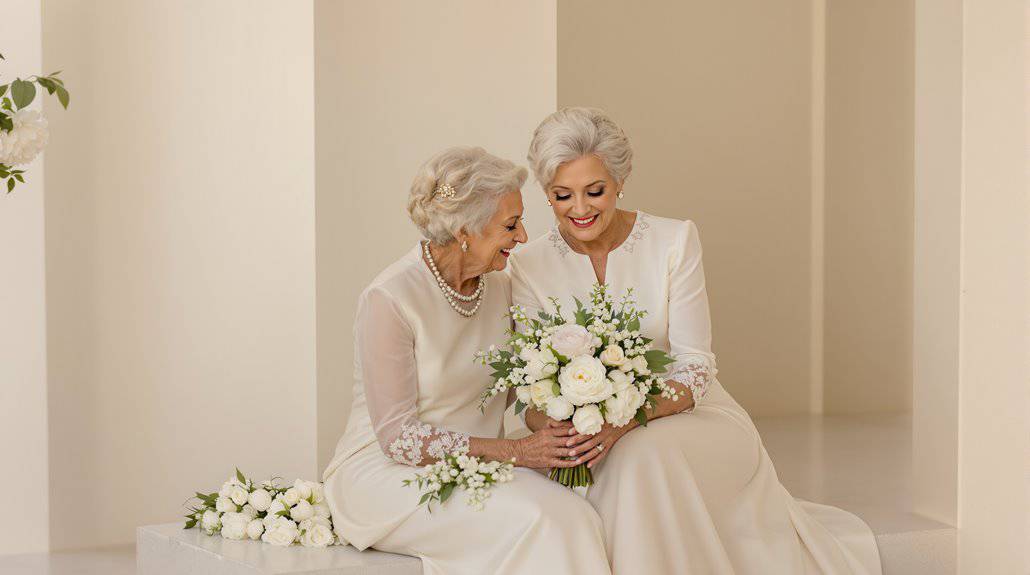
Recognition triggers something profound in our brains—a neural shortcut to emotional meaning that flowers exploit with particular potency. When your grandmother recognizes a peony she grew sixty years ago, she’s accessing emotional memory pathways that illuminate decades of life experience in an instant.
Traditional flowers operate as time machines. The scent of lilacs might resurrect Sunday dinners from 1957; a particular shade of rose pink could summon a first dance, a wedding bouquet, a hospital room where good news arrived. These aren’t just pretty plants—they’re neural stimulants that activate dormant memory circuits.
Nostalgia isn’t merely sentimental indulgence. Evidence indicates it improves cognitive function and emotional resilience in aging brains. Traditional flowers comfort precisely because they’re familiar—they represent continuity in a world that’s changed dramatically around your grandmother. They whisper, “You are still you, and this world is still yours to recognize.” In many cultures, flowers carry symbolic weight across generations—just as Jewish wedding traditions incorporate specific ceremonial elements that connect families to centuries of shared heritage, familiar blooms link your grandmother to the rituals and celebrations that defined her era.
Honoring Tradition Through Flower Choice
When selecting flowers that honor heritage and tradition, you’re not merely picking pretty blooms—you’re participating in a symbolic language thousands of years in the making. Classic wedding blooms carry whispers from the Victorian era, when every petal conveyed specific meaning. Your grandmother understood this intimate dialect instinctively, recognizing how heritage flower varieties connect generations through shared visual vocabulary.
Four ways traditional wedding flowers create meaningful connections:
- Roses symbolize enduring love across centuries—ancient Egyptians, Romans, and your grandmother all understood this without translation
- Peonies represent prosperity and good fortune in both Chinese tradition and Western bouquets
- Lilies communicate purity and new beginnings, a message unchanged since medieval times
- Heritage varieties preserve genetic diversity while simultaneously honoring familial continuity
The flowers your grandmother tended weren’t just decorative—they were deliberate choices steeped in cultural significance, and by selecting them for your own celebrations, you’re extending that unbroken conversation forward. Consider complementing these classic blooms with architectural elements like magnolia leaves or hypericum berries to add depth and texture while maintaining that timeless elegance.
Heritage Varieties vs Modern Hybrids
As your grandmother tended her garden beds, she planted varieties that told stories—flowers with roots stretching back through generations rather than engineered in modern laboratories. These heritage flower varieties carried genetic memory, producing blooms nearly identical to those her own grandmother cultivated—a botanical conversation spanning decades.
Modern hybrids offer irrefutable advantages: disease resistance, predictable growth habits, amplified blooms. And yet, something profound is lost. Traditional bloom choices connect you to horticultural history, each petal a living artifact. Their whimsical irregularities—the slightly asymmetrical dahlia, the variable stripe pattern on heirloom sweet peas—contain authenticity that uniform hybrids cannot replicate.
Seed saving becomes possible, too. Unlike F1 hybrids that revert to parent plants when seeds are collected, heritage varieties grow true, allowing you to participate in the ancient ritual of preservation. You’re not just growing flowers; you’re cultivating continuity—becoming a living link in a chain stretching backward and forward through time. Just as haute couture beauty celebrates timeless elegance over fleeting trends, heritage flowers embody an enduring aesthetic that transcends generations.
Creating Intergenerational Connection
The humble peony your grandmother tenderly pruned represents far more than botanical beauty—it’s a living bridge between generations. When you choose heritage flower varieties that your grandmother would recognize, you’re not simply selecting plants—you’re weaving together shared stories across time, creating conversations that might otherwise remain silent.
The impact of these floral connections manifests in measurable ways:
- 75% of consumers report deep appreciation for flowers, with younger generations increasingly drawn to the classic flower selection their elders treasured
- Traditional wedding flowers create physical anchors for family narratives and shared memories
- Side-by-side flower arranging fosters mutual skill exchange—elders offering wisdom while receiving fresh perspectives
- 53% of Americans don’t regularly interact with people markedly older/younger than themselves outside family—gardens bridge this gap
These botanical heritage pieces aren’t just plants. They’re portals to understanding, intimacy, and belonging across generational divides. Just as luxury beauty products like Chanel’s iconic offerings create timeless connections through signature scents and classic formulations recognized across generations, heritage flowers serve as living heirlooms that transcend age barriers.
When Tradition Serves vs Constrains
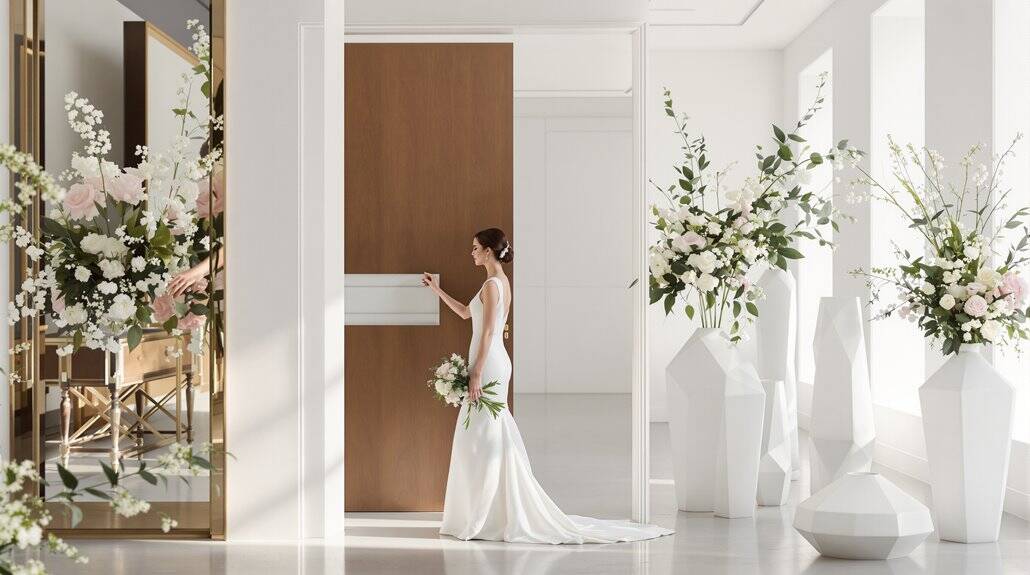
Tradition serves both master and prison guard when it comes to floral language—liberating through shared understanding yet constraining through rigid interpretations. Your grandmother’s roses spoke love in the same dialect as yours might today, creating an unbroken conversational thread across decades. Yet when heritage flower varieties become mandatory rather than optional, tradition morphs from foundation to limitation.
Consider traditional wedding flowers: while peonies and lilies carry rich intergenerational recognition—your grandmother’s bridal bouquet echoing in yours—they simultaneously restrict emotional expression when rigidly prescribed. Heritage flower wedding arrangements connect you to family narratives, yet potentially silence your unique voice.
The most meaningful floral traditions aren’t those blindly preserved but thoughtfully reinterpreted. Your grandmother’s marigolds might have meant prosperity; yours might symbolize remembrance. The power lies not in perfect replication of meaning, but in the conscious choice to *participate* with or respectfully diverge from the botanical vocabulary she understood. Modern location photography can capture these botanical narratives in ways that preserve their emotional resonance while documenting your personal interpretation of inherited floral language.
Conclusion
Whether visible through precise statistics or felt in daily experience, the conversation between generations—spoken through petals and stems—remains one of our most profound cultural inheritances. When you select traditional wedding flowers your grandmother would recognize, you’re participating in a ritual that transcends time. Heritage flower varieties carry memory in their DNA—and yet they’re never static, always evolving with each new hand that tends them.
Traditional bloom choices connect us through:
- Sensory memory – the scent of heritage roses triggers recognition across decades
- Shared knowledge – 72% of seniors remember specific flower names and meanings
- Emotional resonance – traditional wedding flowers evoke ceremonies spanning generations
- Cultural continuity – when you plant peonies from your grandmother’s garden, you’re maintaining her horticultural autobiography
Your relationship with flowers isn’t merely aesthetic—it’s biographical, historical, relational. This reverence for botanical tradition mirrors the philosophy behind Japanese skincare rituals, where time-honored practices pass wisdom from one generation to the next. The heritage varieties your grandmother cultivated continue telling your family’s story, petal by petal.