Destination weddings aren’t selfish—they’re authentic. You’re extending invitations, not obligations, and the 35% acceptance rate reflects guests making practical decisions, not personal rejections. Your wedding should tell your story, not accommodate everyone’s convenience. The smaller guest count (40-80 typically) creates deeper connections with those who matter most. Geographic choices can reflect your identity or tactically navigate family dynamics. The right location transforms your celebration into something truly meaningful.
The Destination Wedding Guilt Complex – Essay opening

When you announce your plans for that dreamy coastal ceremony in Santorini or intimate mountain gathering in Aspen, you’ll likely encounter the unmistakable flicker of calculation behind your loved ones’ congratulatory smiles—the mental arithmetic of flight costs, hotel bookings, and precious vacation days suddenly redirected.
That creeping destination wedding guilt is both pervasive and predictable. With 53.6% of Americans citing cost as their primary reason for declining, you’re not imagining the potential guest burden destination weddings create. And yet, this guilt is largely unwarranted. The psychology of luxury weddings reveals that couples often prioritize their vision over the financial implications for guests.
Consider this: 37.2% of Americans perceive these weddings as selfish, while only 8.4% of couples actually plan them to limit attendance. The disconnect is stark. Destination wedding etiquette exists in this tension—between your vision and others’ wallets. Interestingly, more than a third of guests see these events as vacation opportunities rather than impositions.
Your wedding represents your priorities, not an invoice for loved ones. They’ll decide what they can afford, both financially and emotionally. Their calculation isn’t your burden to carry.
You’re Not Making Anyone Do Anything
Despite what that nagging inner voice might whisper, your destination wedding invitation isn’t a summons with the force of law—it’s exactly that, an invitation. Your guests retain complete financial autonomy; they’ll evaluate airfare, lodging, and time commitments against their own circumstances, not your expectations.
The numbers don’t lie: local weddings see 85% attendance, while destination events hover around 35%—clear evidence of guests exercising their choice. You’re not manufacturing destination wedding guilt; you’re simply presenting an option. Choosing unique venues like beaches or mountain tops creates a memorable experience that many guests actually appreciate, often reflecting emerging luxury trends that prioritize personal experiences over traditional expectations.
When you send those save-the-dates eight months early, you’re enabling guests with information, not obligations. Those travel wedding feelings you’re battling? Release them. The natural filtering process—where close relationships correlate with higher attendance while acquaintances politely decline—isn’t personal rejection but pragmatic reality.
Your wedding exists for yourself, not as a convenience for others. And that’s perfectly acceptable—even admirable—in its authenticity.
Guest Decline Is Logistics Not Rejection

Those declined RSVPs piling up in your inbox? They’re not personal rejections—they’re mathematical inevitabilities. Destination weddings average just 35% acceptance compared to 75-85% for local ceremonies, and this gap reflects logistics, not love. Your friends aren’t avoiding your celebration; they’re maneuvering a complex equation of $580 average attendance costs, limited vacation days, and geographic realities.
Destination wedding guilt stems from misreading these declines as commentary on your relationship rather than recognizing the brutal arithmetic of modern adult life. When guests decline, they’re calculating flight costs, hotel nights, and PTO balances—not measuring their affection for you. The pressure you feel to accommodate everyone misses the point entirely. Embracing quiet luxury in your wedding planning means prioritizing your vision over the demands of others.
Your destination wedding is for yourself, not a convenience for others. Accept that some guests simply can’t solve the logistical puzzle of attendance, and understand that their absence reflects their personal constraints, not their feelings about your union.
Smaller Wedding Might Be What You Wanted
Many couples secretly dream of a smaller, more intimate wedding but feel obligated to invite the universe to witness their vows. That destination wedding guilt? It’s unwarranted. Your destination wedding for yourself isn’t selfish—it’s honest.
Look at the numbers: destination weddings naturally draw 30-80 guests compared to hometown affairs averaging 123 people. You’re not losing attendees; you’re gaining authentic connections with those who matter most. The 60-70% acceptance rate creates a self-selecting guest list of people who genuinely want to celebrate you.
Think about it—fewer guests means actual conversations instead of perfunctory hellos across crowded reception halls. That $1,400 per-guest budget can transform into exceptional experiences rather than feeding distant cousins you haven’t seen since childhood.
Your destination wedding isn’t about exclusion. It’s about creating a space where meaningful interactions flourish, where quality trumps quantity, where your celebration reflects your relationship—intentional, authentic, and deeply personal.
Choose Destination for Your Reasons

When selecting your destination wedding location, focus unapologetically on what strikes a chord with you and your partner—not what might please potential attendees. The data speaks volumes: 90% of couples cite climate as their primary decision driver, escaping unfavorable weather at home for sun-drenched ceremonies in tropical paradises.
Your reasoning might be deeply personal—10.7% of couples use weddings to check destinations off bucket lists, while 14.1% tactically merge honeymoon and ceremony locations. Perhaps you’re among the 33% planning second marriages, deliberately seeking something different this time. Or maybe you’re drawn to the historic buildings of Greece or the distinctive venues of Italy.
Whatever your motivation, own it. The destination wedding experience creates memories through adventure and novelty that conventional settings simply can’t replicate. Your celebration deserves its ideal backdrop—and that backdrop should reflect your priorities, not your guests’ convenience.
Don’t Apologize for Meaningful Geography
The geography of your wedding should never require an apology—not when it forms the emotional backbone of your union’s celebration. The statistics validate your intuition: 25% of all marriages worldwide (340,000 annually) choose location-specific ceremonies, propelling the market toward $26.8 billion by 2036. Your decision stands among countless others who’ve prioritized place over convenience.
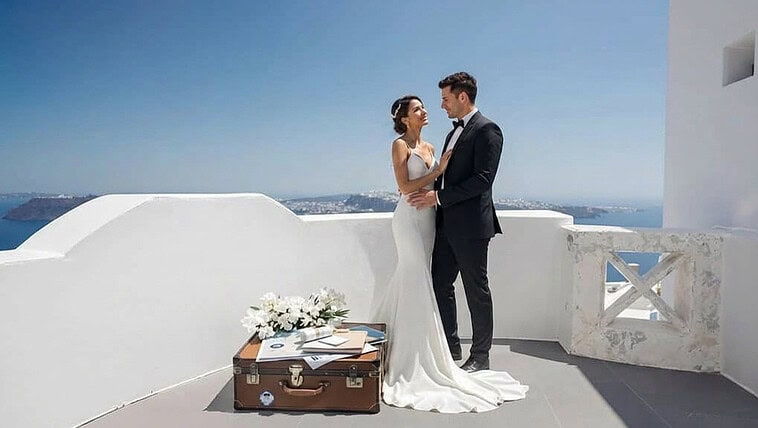
Consider what draws 15,100 couples to Italy yearly, or why 70% of destination weddings in Greece involve international couples. They’re not chasing trends—they’re seeking meaning. Whether you’re drawn to Parisian châteaux, Santorini’s iconic white facades, or Udaipur’s royal heritage, your selection reveals something essential about your partnership.
The projected 278.8% increase in destination weddings over five years confirms what you already know: geography matters. Vineyards, beaches, historic villas—these aren’t just backdrops but narrative elements in your relationship’s story. Your guests aren’t being inconvenienced; they’re being invited into your authentic vision.
When Geographic Neutrality Matters

While championing personal significance remains paramount, geographic neutrality emerges as a quiet hero in certain destination wedding scenarios. You’ll encounter legitimate instances where selecting equidistant locales simply makes sense—diplomatic solutions for complex family dynamics that might otherwise implode your guest list.
| Scenario | When Neutrality Matters | When It Doesn’t | Strategic Approach |
|---|---|---|---|
| Divorced Parents | High tension, 78% less conflict | Already amicable | Mid-point resort selection |
| Bi-coastal Families | Equal 4-6 hour flights | 70%+ guests from one region | International “third option” |
| International Guests | Visa accessibility varies | <10% international attendees | Hub city with direct flights |
| Religious Considerations | Mixed-faith ceremonies | Single tradition ceremony | Dual-ceremony locations |
The genius lies in recognizing when compromise strengthens your vision rather than dilutes it. You’re not abandoning meaning—you’re creating space for more guests to witness it. And yet, neutrality without purpose becomes merely bland geography. Your destination should solve problems, not create them.
Conclusion
Despite countless voices telling you, alternatively, your destination wedding fundamentally represents your story—not your guests’ convenience. The data confirms what you’ve intuitively known: weddings are evolving from obligatory social performances into authentic expressions of couple identity. Your Mediterranean villa or heritage palace selection isn’t selfish—it’s honest.
When planning your celebration, remember these core truths:
- Your 40-80 person guest list isn’t “too small”—it’s precisely calibrated for meaningful connection
- Self-financing (as 50% of couples now do) grants you decision-making autonomy
- Multi-day “wed-cations” aren’t extravagant but necessary for proper storytelling
- Accelerated planning timelines (under 18 months) reflect your confident vision
- Destination selection based on personal meaning creates authenticity impossible in traditional venues
You’re not “making” anyone travel—you’re inviting them into your narrative. Those who truly love you will understand this distinction, and those who don’t? Their absence creates space for deeper celebration with those who do.