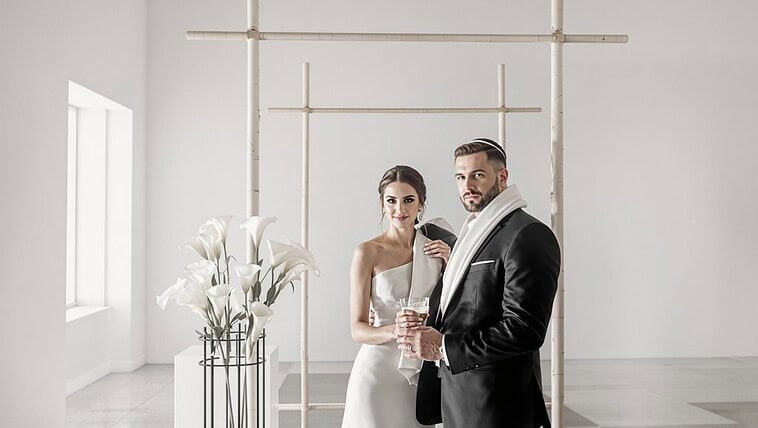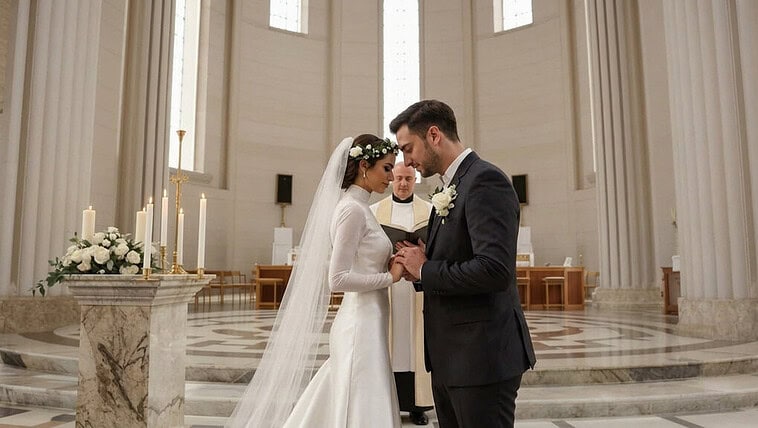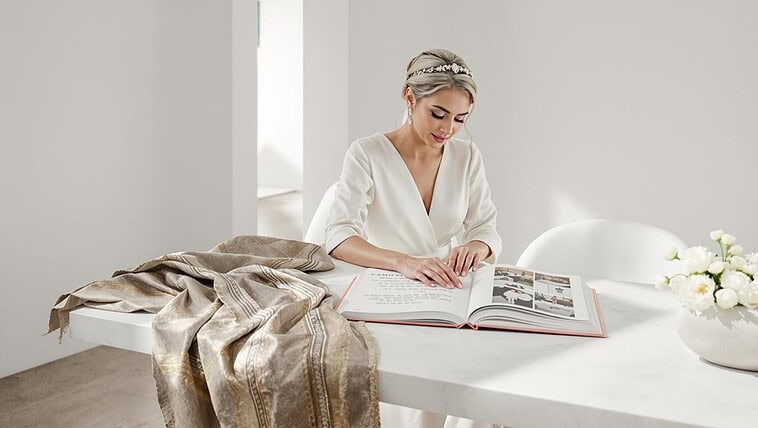

You’ll need ruthless prioritization to blend cultural traditions into a 45-minute ceremony without chaos. Focus on non-negotiable elements like vows and ring exchanges (56% of importance), while identifying which lengthy rituals could move to the reception. Sequence traditions to create an emotional arc—4-5 minutes per ritual—and use your program as a cultural translator with brief explanations. The difference between thoughtful fusion and performative box-checking isn’t just time management; it’s whether each element authentically honors both families’ heritage. The details matter.
The Multicultural Ceremony Challenge
When two people from different cultural backgrounds decide to marry, they’re not just joining lives—they’re attempting to unite entire cultural ecosystems that may have fundamentally different approaches to what constitutes a “proper” wedding ceremony. Your 45-minute target suddenly stretches as each tradition demands its rightful place.
Multicultural ceremony planning requires brutal prioritization—you’ll need to identify which elements from each heritage are non-negotiable versus merely preferred. And yet, the most successful cultural tradition blending emerges from deep, uncomfortable conversations with both families about what each ritual actually symbolizes. Can you combine wedding cultures without diluting their significance? Absolutely, but expect resistance.
The logistics become exponentially complex: coordinating ceremonial timing, managing conflicting religious requirements, and educating guests unfamiliar with particular customs. Your wedding programs become critical cultural translators, explaining why your Hindu mother insists on specific ceremonial elements while your Catholic father-in-law expects others. Consider hosting your multicultural celebration at MoMA’s private spaces, where the sophisticated backdrop accommodates diverse ceremonial requirements while providing a neutral, elegant environment that honors both traditions equally. As cross-cultural marriages continue to increase, comprising approximately 17% of new marriages in the U.S., couples are finding creative ways to honor their diverse heritages.
Selecting Which Traditions to Include
Since you’re faced with a dizzying array of cultural wedding traditions, the selection process demands both emotional intelligence and tactical calculation. With 21% of 2024 weddings incorporating heritage-specific customs, you’re in good company—yet the 45-minute target ceremony length means ruthless prioritization. Your generation significantly impacts your approach: Gen Z couples embrace traditional elements at higher rates (77% include cake-cutting) while Millennials filter customs through personal relevance rather than obligation. Consider including your most resonant traditions, like readings or unity candles, which remain popular ceremonial elements.
Tradition meets timeline: modern couples navigate cultural heritage with hearts, heads, and stopwatches firmly in hand.
- That crushing moment when you realize grandmother’s three-hour traditional ceremony simply won’t fit into your venue’s strict timeline
- The quiet triumph of finding two complementary rituals that honor both families without contradicting core beliefs
- The unexpected tears when practicing a heritage custom you initially considered skipping
- The profound relief when both families approve your final tradition selection
Your multicultural ceremony planning requires structure prioritizing non-conflicting elements with sequential timing—exchanging vows/rings tops importance ratings (56%), making it your anchor for blending rituals effectively. Just as preservation restrictions can limit physical modifications at historic venues, cultural sensitivities may constrain which traditions can be adapted or combined without compromising their sacred meaning.
Ritual Sequencing for Coherence
Masterful sequencing of cultural rituals transforms a potentially disjointed ceremony into a coherent narrative that honors both heritages. Your multicultural ceremony planning demands tactical thinking—not random ritual stacking. Consider the emotional arc: begin with grounding traditions, build through meaningful exchanges, culminate with powerful unifying symbols.
Time each element ruthlessly. A 45-minute ceremony leaves perhaps 4-5 minutes per significant ritual, and yet those precious moments must breathe naturally, not feel rushed. Map transitions between traditions deliberately—ceremonial objects passed, musical bridges played, brief contextual explanations offered.
Look for thematic connections across cultural wedding traditions rather than chronological adherence. Similar rituals (unity ceremonies, blessings) can be paired or deliberately separated for balance. The perfect sequence feels inevitable afterward, but requires exhaustive planning beforehand—45 minutes divided into 9-12 discrete moments, each flowing purposefully into the next, creating a tapestry where neither tradition dominates but both shine. Understanding that rituals like jumping the broom or Jewish blessings add layered meaning helps you select elements that complement rather than compete with each other.
Guest Education Through Programs
The carefully orchestrated flow of your ceremony requires a complementary layer of context—your program serves as both roadmap and cultural translator. Your guests need guidance through unfamiliar traditions, and a thoughtfully designed program transforms confusion into connection, passive observation into cultural education.
Creating effective ceremony programs demands scrupulous attention to detail, yet remains surprisingly achievable with the right approach. Design elements should honor both cultures visually, while explanatory text illuminates meaning without overwhelming.
- A pronunciation guide for key cultural terms—tiny addition, massive impact on guest comfort and participation
- Brief origin stories behind major rituals—three sentences maximum per tradition
- Visual symbols with explanations that evoke emotional resonance, not just intellectual understanding
- Translation of ceremonial phrases that captures spirit, not just literal meaning
Guest engagement skyrockets when programs anticipate questions and provide answers before confusion sets in. The Emily Post Institute advocates for inclusive, respectful language that balances tradition and modernity, a principle that extends beyond invitations to all wedding materials including ceremony programs.
Managing Ceremony Length: 45 Minutes Target
Blending multiple cultural traditions into a single ceremony presents an exquisite balancing act when working with a 45-minute target timeframe. You’ll need ruthless prioritization—what remains essential within each cultural tradition? Most non-religious ceremonies complete in 15-30 minutes, while religious ones demand 30-60 minutes minimum. Hindu ceremonies traditionally stretch beyond two hours, and Catholic Masses require 60-90 minutes—and yet, guests begin fidgeting around minute 40.
Your multicultural ceremony planning strategy: identify the non-negotiable rituals from each tradition, then trim peripheral elements. Consider splitting cultural elements between ceremony and reception, preserving symbolic integrity without exhausting attention spans. A Jewish breaking of glass takes seconds; a full Hindu seven steps requires minutes. The mathematics are brutal but necessary when you blend cultural wedding traditions—every added reading costs 3-5 minutes, each ritual 5-10. Build your ceremony timeline backward from your 45-minute ceiling, not forward from your aspirational list. Before incorporating rituals from traditions outside your heritage, research their origins and community significance to ensure you’re engaging with meaningful participation rather than superficial aesthetic adoption.
Creating Unity From Diverse Elements
Creating real unity from diverse cultural elements requires more than just alternating traditions like items on a playlist—it demands thoughtful integration that honors both heritages simultaneously. In multicultural ceremony planning, look for natural connections between rituals rather than forcing them together. Your 45-minute timeframe demands efficiency, yet thoughtful blending actually simplify the process when done right.
Ritualistic blending succeeds when you:
- Identify complementary symbols from both traditions—like pairing unity candles with garland exchanges—creating moments that transcend either culture alone
- Incorporate bilingual readings with translations that don’t disrupt flow but improve meaning for all guests
- Weave aesthetic threads between cultural elements using shared color palettes, avoiding the “two separate weddings” trap
- Sequence wedding traditions in ways that tell your unique story, not just checking boxes of cultural requirements
Just as elegance and glamour come from carefully curated beauty choices that enhance rather than overwhelm, the most successful multicultural ceremonies achieve sophistication through selective integration of meaningful elements from each tradition.
Avoiding Cultural Checklist Performance

When you’re merging two distinct cultural traditions into a cohesive 45-minute ceremony, it’s dangerously easy to fall into the trap of performative inclusion—ticking boxes rather than creating authentic meaning. True multicultural ceremony planning demands more than surface-level compliance with cultural expectations; it requires genuine integration of values and practices.
You’ll need to move beyond the “one ritual from column A, one from column B” approach. Instead, focus on authentic implementation over box-checking by understanding the emotional significance behind each tradition. Ask yourselves: “Does this element genuinely honor both families’ heritage, or are we including it merely to appease someone’s checklist?”
Leadership consistency and modeling matter tremendously here—whoever’s guiding this ceremonial blend must demonstrate sincere respect for both traditions. Remember that guests can instantly sense the difference between perfunctory cultural nods and deeply considered, meaningful fusion. Just as vendors shape the emotional tone of your wedding through their collaborative partnerships, the authenticity of your cultural integration will resonate throughout your ceremony. Your authenticity, not your thoroughness, will ultimately determine your ceremony’s success.
Conclusion
The marriage of cultural traditions requires artful integration—not as an obligation, but as a reflection of your shared journey. Your multicultural ceremony planning becomes a testament to the life you’re building together—complex, nuanced, and beautifully collaborative. Through equal respect and representation, you’re creating something entirely new yet deeply rooted in heritage. This isn’t just a wedding; it’s the foundation of your family culture going forward.
- The moment when both sets of grandparents witness their traditions honored side by side—tears flowing, hands clasped across cultural divides
- Your parents’ faces as they see their children honoring ancestral customs they feared might be lost forever
- The collective gasp when you appear in your thoughtfully blended attire—a visual promise of cultures united
- The whispered “thank you” from relatives who never expected to see their traditions celebrated so far from home
Consider drawing inspiration from time-honored customs like Jewish wedding traditions, which have evolved over millennia yet remain deeply meaningful across diverse communities today.