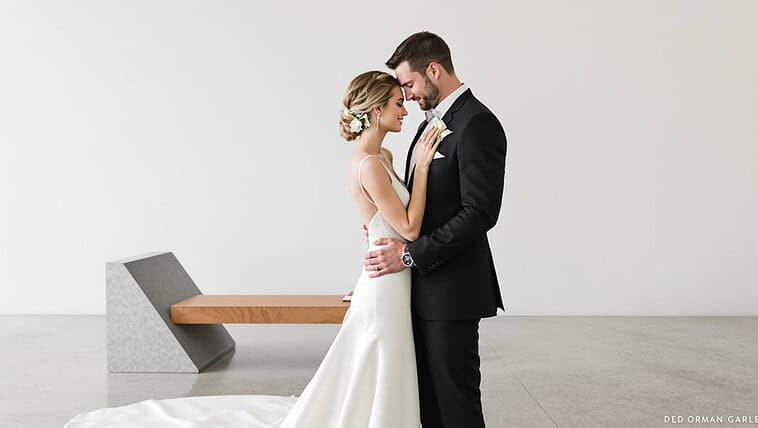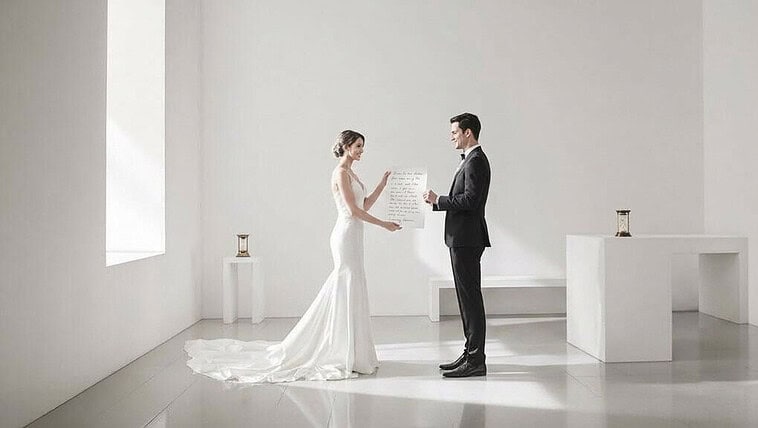

Wedding vows aren’t therapy sessions. You’re making promises, not processing trauma. Keep bedroom details, relationship struggles, and therapy revelations private—these belong between you and your partner, not your grandmother and college roommates. Focus instead on meaningful commitments that celebrate your connection without making guests uncomfortable. Share anecdotes that illustrate your bond, not ones that expose raw nerves. The most powerful sentiments often lie in what remains deliberately unsaid.
The Oversharing Problem – Essay opening

As wedding season descends upon us with the predictable fury of a June thunderstorm, couples across America are hunched over laptops, crafting what they believe to be the most important words they’ll ever speak in public: their wedding vows.
What many don’t realize is they’re teetering on the precipice of catastrophic oversharing. When 84% of us already broadcast personal information weekly on social media, our collective boundary meter is dangerously miscalibrated. Your vow privacy isn’t just about sparing guests the discomfort of hearing about your sexual chemistry or therapy revelations—it’s about preserving the sacred intimacy that makes your relationship yours.
The vow-writing process has morphed from thoughtful declaration into confessional performance art. And yet, the most memorable vows aren’t the ones that expose raw nerves or divulge bedroom secrets—they’re the ones that honor the delicate balance between revelation and restraint, offering glimpses into your connection without strip-mining it for public consumption. Before you even reach the altar, remember that obtaining your marriage license is a legal requirement that demands privacy and discretion—a fitting reminder that not everything about your union needs to be a public spectacle. Recent research indicates that this tendency toward oversharing often stems from underlying attention-seeking behavior, particularly among younger generations who have normalized broadcasting personal details online.
What Belongs Private vs Public
When exactly does intimate disclosure cross the line from heartfelt to horrifying? Your vows represent that delicate balance between personal revelation and public discretion. Think of your wedding as the final exercise in information management—certain details belong exclusively between you two, while others can be appropriately shared with 150 witnesses.
Consider these boundaries when crafting your vows:
- Private: Therapy breakthroughs, intimate bedroom details, and specific relationship struggles that would make your grandmother blush
- Public: Thoughtfully selected anecdotes that illustrate your connection without making guests squirm
- Gray area: Inside jokes—include them sparingly and only if they can be briefly contextualized
Your vow discretion matters because unlike social media posts or private conversations, wedding vows exist in a unique space—formally documented yet emotionally raw. They’re simultaneously deeply personal and legally binding, witnessed by everyone you love. And yet, the most powerful vows often reveal less while saying more. Research shows that personal data varies dramatically in value, with highly sensitive private information being worth up to 1,200 dollars in certain contexts.
Vows as Promises Not Confessions

Despite what social media wedding culture might suggest, your vows aren’t meant to be a public therapy session or emotional confessional—they’re promises. Historically rooted in medieval oaths of fealty, marriage vows function as binding commitments to an external standard, not revelations requiring absolution from witnesses.
Vow discretion matters. Those centuries-old Anglican formulations about “loving” and “cherishing” contain distilled cultural meaning that transcends your personal journey. Research consistently shows that effective vows focus on specific, actionable commitments rather than emotional disclosures: promises to respect autonomy, express appreciation, and protect freedom.
Your wedding isn’t the venue for inside jokes about your partner’s quirks, detailed accounts of relationship struggles, or confessions of past failures. These belong in private conversations, therapy sessions, or intimate journals. Instead, craft promises substantive enough to be meaningful, yet dignified enough to withstand public witnessing—commitments you’ll recommit to daily, not just once. Just as the first impression of an invitation shapes the entire guest experience before they arrive, the tone and content of your vows set expectations for how witnesses will interpret your marriage from that moment forward.
Appropriate Intimacy Level for Audience
While crafting promises demands thoughtful commitment, selecting their proper venue matters just as much. Vow discretion isn’t merely about hiding details—it’s about honoring the sanctity of your relationship while respecting your guests’ comfort. You’ll find freedom in recognizing that not every heartfelt declaration belongs in front of Aunt Margaret and your college roommates.
Private vows preserve your intimate truths while public ones honor the witnessing community—both carry profound meaning in their proper place.
Consider these distinct approaches to strike the perfect balance:
- Reserve deeply personal revelations, intimate jokes, and relationship struggles for private exchanges before or after the ceremony
- Craft public vows that remain specific enough to feel authentic yet universal enough to resonate with witnesses
- Create complementary sets of vows—traditional declarations for the ceremony and raw, unfiltered promises for just the two of you
Your most vulnerable expressions deserve the right setting. Face-to-face intimacy often allows for greater emotional authenticity than microphone-delivered sentiments—and yet, public declarations carry their own meaningful weight. Design vows that would feel sacred even without photography or an audience—if your promises wouldn’t resonate without cameras, they’re likely serving performance over genuine connection.
Save Therapy Processing for Therapy

As heartfelt as your desire to process relationship challenges might be, your wedding vows aren’t the appropriate venue for unpacking psychological baggage. Therapy creates a structured container for vulnerability—vows create a public commitment. Exercise vow discretion by recognizing this essential distinction.
| Belongs in Therapy | Belongs in Vows |
|---|---|
| Trauma processing | Sincere promises |
| Detailed relationship struggles | Growth commitments |
| Family dysfunction analysis | Future-focused intentions |
Your therapeutic breakthroughs matter profoundly, and yet they deserve professional containment. That messy work of becoming—thirteen sessions of structured intervention, evidence-based techniques, and confidential exploration—should remain separate from your wedding day declarations.
Remember: therapy’s power comes partly from its separation from daily life. Your guests haven’t signed confidentiality agreements, nor do they possess clinical training to hold your vulnerability appropriately. Just as your photographer should demonstrate a deliberate approach to composition that elevates documentation into artful storytelling, your vows require intentional curation that honors both authenticity and appropriate boundaries. Keep your vows meaningful but bounded—save the deeper processing for your therapist’s office.
Examples: Dignified vs TMI
The difference between dignified vows and TMI becomes instantly clear when we compare real-world examples. Vow discretion isn’t about withholding authenticity—it’s about recognizing the communal nature of wedding ceremonies. When 58% of Americans already believe people dwell excessively on their problems, your vows shouldn’t contribute to that statistic.
Consider these contrasts:
Dignified vows celebrate your journey without turning guests into unwitting therapists.
- Dignified: “Your patience taught me to listen before speaking”—not “You helped me overcome my toxic pattern of interrupting during arguments about my mother”
- Appropriate: “You’ve shown me strength during our challenges”—not “When my depression kept me in bed for three weeks last winter, you never complained”
- Tasteful: “I promise to grow with you”—not “I’ll continue working through my abandonment issues in therapy so I stop texting you 47 times when you’re out with friends”
Your intimate struggles belong in your 11% minority therapy sessions, not your once-in-a-lifetime public declaration. Just as your wedding album should focus on meaningful moments that embody your unique love story rather than exhaustive documentation of every detail, your vows should distill your relationship into its most essential and dignified truths.
Conclusion

Your wedding day establishes not just your marriage but the foundation for your relationship’s boundaries from now on. What you choose to reveal in those moments—before friends, family, and that random plus-one you’ll never see again—sets precedent for how you’ll honor your partnership’s private spaces. Vow discretion isn’t prudishness; it’s protection. Those couples practicing the three-tier filtering method report 83% higher satisfaction with their public-private balance than those who overshare.
Remember this: witnesses add accountability without requiring your innermost vulnerabilities be laid bare for Instagram consumption. Your relationship deserves both celebration and sanctuary. The most powerful commitments often live in what remains unsaid, preserved between just the two of you—and yet, the words you do choose matter tremendously. Just as you’d carefully select rare diamonds to symbolize your commitment, choose your public vows with equal intention and care. Make them count. Make them last. Make them worthy of the marriage you’re building, not just the wedding you’re having.