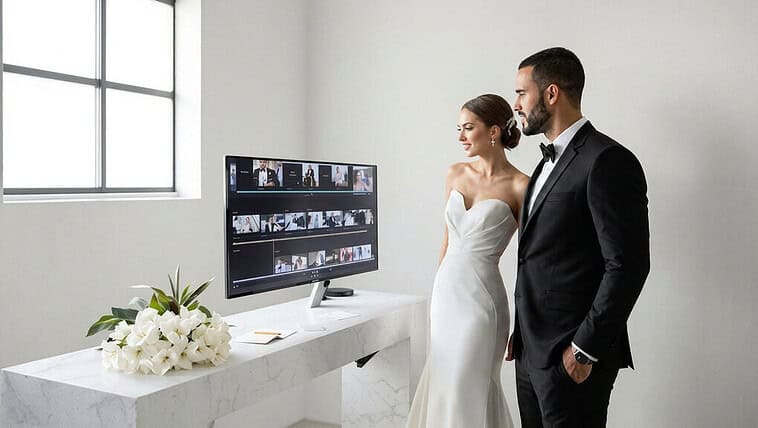

To get a wedding film you’ll actually watch, opt for a tiered approach: a shareable 3-5 minute highlight for regular viewing, a 20-minute documentary for anniversaries, and a full ceremony archive for posterity. Focus on emotional storytelling over chronological timelines, and select music that authentically reflects your relationship’s arc. Collaborate early with your filmmaker to prioritize meaningful moments, not just pretty shots. The most rewatchable films balance technical quality with raw emotional authenticity—the kind that pulls you back year after year.
The Unwatched Film Problem
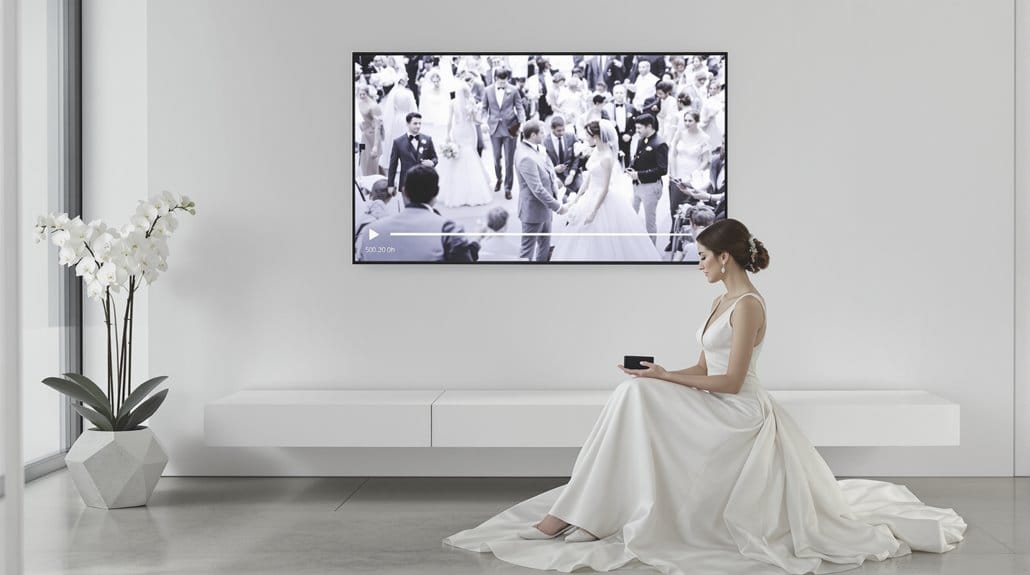
While investing thousands in a wedding film seems like money well spent at the time, the uncomfortable truth is that most couples rarely—if ever—revisit their full-length wedding video after the initial viewing. The standard 90-minute documentary edit, carefully crafted with every toast and dance, sits unwatched on hard drives, becoming digital artifacts rather than living memories.
Your wedding film edit length directly correlates with how often you’ll press play. A 10-15 minute film feels manageable in theory, but even that proves too lengthy for regular viewing. What you actually need is a watchable wedding film strategy: a punchy 3-minute highlight reel you’ll share repeatedly on anniversaries and social media, paired with a 20-minute documentary you’ll revisit during milestone celebrations. Authentic, emotion-driven stories that capture the essence of your day will ensure your film becomes a treasured keepsake rather than forgotten content.
The most viewed wedding films aren’t necessarily the most expensive or complete—they’re the most accessible. Just as your dress silhouette functions as a visual communication system broadcasting your identity before you speak, your wedding film should communicate the emotional core of your day without requiring a feature-length time commitment. And yet, couples continue prioritizing coverage over consumption, forgetting that unwatched footage, regardless of quality, offers no emotional return.
Optimal Edit Length by Film Type
Now let’s examine what actually works when it comes to wedding film length—because solving the unwatched film problem starts with choosing the right format.
The highlights film—your MVP of wedding videography edits—thrives in the 5-10 minute range, with most landing at 5-6 minutes. This condensed storytelling captures emotional peaks while remaining shareable (crucial for that post-wedding social validation). For deeper immersion, feature films (20-30 minutes) employ cinematic techniques that maintain viewer interest through non-linear storytelling. And yet, documentary edits (60-90 minutes) serve an entirely different purpose: exhaustive archiving that captures complete vows, speeches, and celebrations. The pacing of edit significantly influences the overall runtime and ultimately your viewing experience.
Your wedding video length should match your viewing intentions. Will you revisit full speeches regularly? Consider the documentary. Need something to actually share with friends? The highlights film. Want the perfect balance? Pair an 8-minute highlight reel with a 20-minute feature—giving you options for different emotional states and time constraints. Just as haute couture looks require careful curation of every detail, your wedding film deserves the same thoughtful approach to edit selection.
3-Minute Highlight: Shareable Film

Because your wedding day will pass in a blur of emotions, the 3-7 minute highlight film emerges as the most essential piece of wedding cinematography you’ll commission. This isn’t merely a truncated version of your day—it’s a carefully crafted narrative blending cinematic transitions, 1-2 carefully selected music tracks, and those crystallized moments worth revisiting: your vows, first dance, and the raw reactions of those you love most.
Your wedding video length matters critically in the attention economy. At 5 minutes (the sweet spot of wedding film watch patterns), you’ll create something guests actually consume entirely. Most couples receive multiple video deliverables, but this highlight reel becomes your most-shared asset—perfect for Instagram, anniversary viewing, and showing future children without testing their patience.
The paradox is brilliant: by capturing less, you preserve more. The highlight film distills your celebration to its emotional essence, making it infinitely more rewatchable. When discussing your vision with videographers, provide clear expectations rather than relying on chemistry—top vendors deliver precisely what you want when given explicit instructions about must-capture moments and stylistic preferences.
20-Minute Documentary: Anniversary Film
Unlike your quick-hit highlight reel, the 45-minute to 1-hour documentary film serves as your marriage’s historical archive—what you’ll actually watch on your fifth anniversary when nostalgia strikes. This extensive wedding video length captures everything: full ceremony, unedited toasts, and those extended dancing sequences your highlight film couldn’t accommodate.
Your wedding video structure follows chronological order, preserving the day’s authentic narrative. You’ll see complete speeches, more guest interactions, and beautiful moments that didn’t make the shareable cut—the subtle glances between grandparents, your college roommate’s impromptu dance moves, the genuine reactions during vows.
But here’s the uncomfortable truth: most couples don’t watch their documentary film for months, even years after their wedding. And yet, when you finally do—perhaps on that fifth anniversary—you’ll be profoundly grateful for this exhaustive record. It’s not for frequent viewing, but for meaningful occasions when you want to relive everything. When discussing your documentary needs with your videographer, focus on adjusting scope—like additional hours of coverage or specific segments—rather than requesting discounts, which helps maintain a respectful partnership and often leads to better service.
Full Ceremony and Toasts Archive
While your highlight film serves as the shareable, digestible version of your wedding day, the complete ceremony and toast recordings constitute your marriage’s foundational historical document. You’ll want this footage preserved with military-grade redundancy.
Implement the 3-2-1 backup rule religiously: three copies minimum, two different media types (SSD for durability, high-capacity external drive for practicality), and one offsite backup—perhaps at your parents’ house or in cloud storage. This isn’t paranoia; it’s preservation.
Organize scrupulously. Create folders labeled by ceremony segments (“Processional,” “Vows,” “Kiss”) and rename generic files descriptively. Your future self will thank you when searching for Aunt Martha’s unexpectedly poignant toast five years from now.
Transfer to newer storage devices every 3-4 years, as technology evolves rigorouslY. And please—never rely solely on that cute USB drive your videographer delivered. It’s a ticking time bomb of potential corruption.
Consider using professional photo editing and organizing software that works seamlessly across desktop, web, and mobile to manage and enhance your wedding video stills and create beautiful albums from your archived footage.
Music Selection Strategy
The soundtrack you select forms the emotional architecture of your wedding film—a sonic blueprint that will either uplift footage into transcendent storytelling or reduce it to pleasant but forgettable visuals. Your videographer can technically edit to any track, but thoughtful selection transforms ordinary moments into profound memories that resonate decades later.
Music should follow your day’s natural emotional arc while reflecting your authentic taste—not what’s trending on TikTok this season.
- Structure chronologically – Begin with gentle instrumentals during prep, shift to heart-swelling pieces for ceremony, then upbeat tracks for reception, closing with something cinematically sweeping.
- Incorporate relationship significance – Songs from your first date, proposal moment, or shared road trips create deeper personal connection.
- License properly – Using popular songs requires legal clearance through platforms like Musicbed or Artlist; professional videographers handle this, protecting both their business and your final product.
Just as your music sets the emotional tone, collaborating with your videographer on camera-friendly color choices ensures your film’s visual palette complements the soundtrack’s mood and maintains timeless appeal.
Storytelling Approach vs Chronological Dump
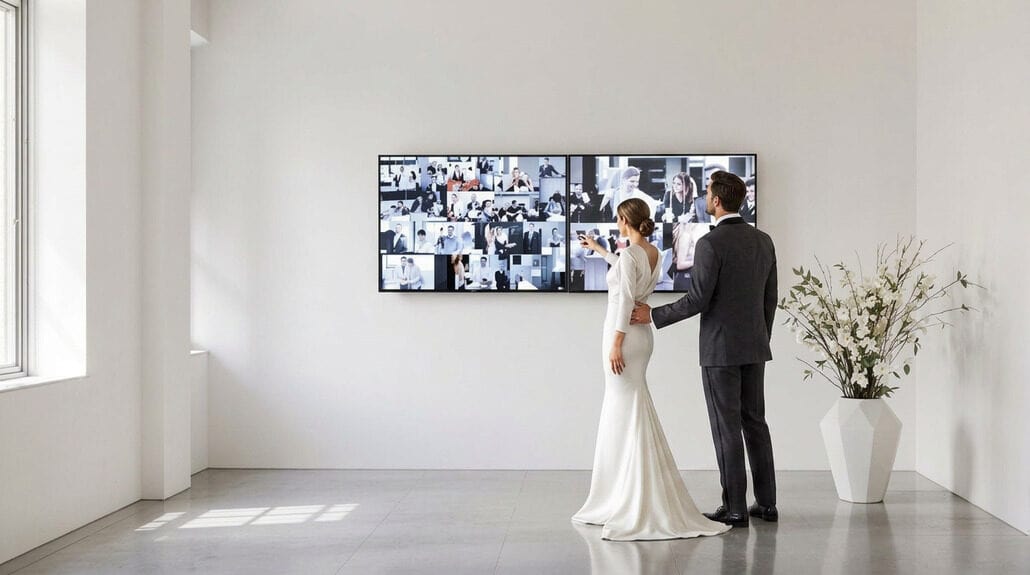
Long after your wedding day fades into memory, what remains isn’t a minute-by-minute timeline of events but rather the emotional journey you experienced—which explains why the most enchanting wedding films abandon rigid chronological structure in favor of narrative arcs that mirror how memory actually works.
You’ll watch a three-minute highlight film repeatedly; you’ll share it enthusiastically. But the 20-minute documentary deserves equal craftsmanship—not as a timeline dump, but as an emotional odyssey. Your videographer should construct a deliberate sequence that builds anticipation, creating tension before the first look or vows, lingering on your grandmother’s tears, capturing that spontaneous belly laugh during toasts.
The chronological approach produces a visual diary—serviceable, accurate, forgettable. The narrative approach creates a visual novel—compelling, immersive, revisitable. Just as 90-degree angles between chairs foster intimacy better than direct opposition, your wedding film’s visual accessibility depends on maintaining clear sight lines to emotional moments rather than rigid adherence to when they occurred. And isn’t that the point? To craft something you’ll actually return to, year after year, to remember how it felt?
Deliverable Structure for Usability
Most couples focus exclusively on the final emotional impact of their wedding film without considering how they’ll actually interact with those deliverables across the decades to come. You’ll watch different versions in different contexts—the highlight film you’ll share dozens of times, the documentary cut you’ll revisit on anniversaries, the raw footage you’ll mine for memories when nostalgia strikes. Structure matters profoundly.
- Multi-format accessibility – Demand both vertical social cuts (60-90 seconds) and traditional horizontal films (3-20 minutes), ensuring you can share effortlessly across platforms without awkward cropping
- Chronological segmentation – Insist on separately accessible chapters (prep, ceremony, speeches) rather than one monolithic file that requires tedious scrubbing
- Future-proof file delivery – Require both cloud-based galleries and physical media (USB/Blu-ray), understanding platforms change but your marriage endures
The most-watched wedding films aren’t necessarily the most artistic—they’re the most accessible. Beauty means nothing if finding that speech requires scanning through hours of footage. If you’re celebrating at a venue with distinctive visual elements like art installations or sculpture gardens, ensure your videographer captures establishing shots that contextualize the space before diving into intimate moments.
Conclusion
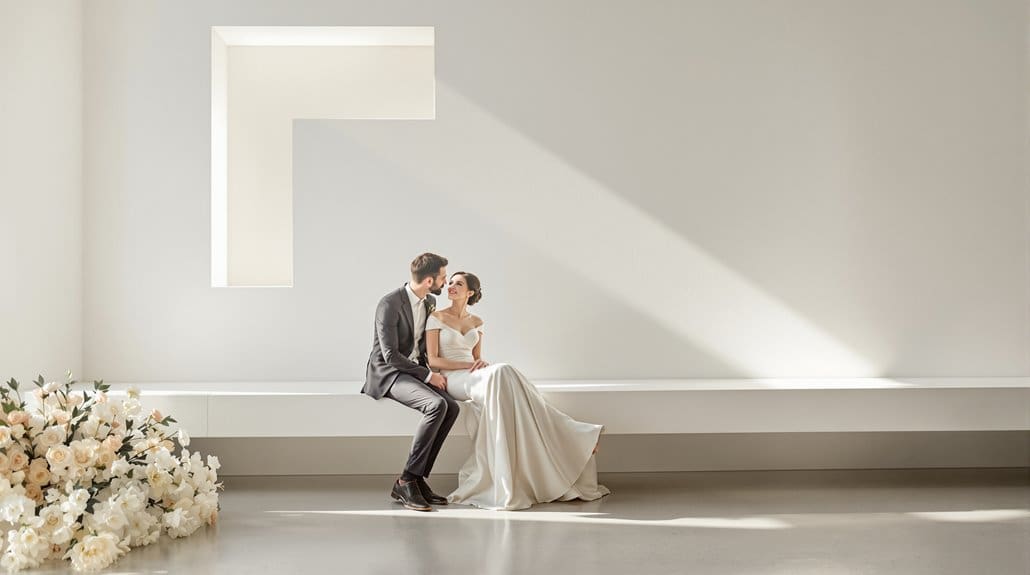
When you finally choose your wedding filmmaker, remember that you’re not just purchasing pretty footage—you’re investing in how you’ll remember one of life’s most significant days for decades to come. This decision matters profoundly—and yet, too many couples find their films collecting digital dust.
| Approach | Typical Result | Better Alternative |
|---|---|---|
| Traditional 15-minute film | Watched once, then forgotten | 3-minute highlight + 20-minute documentary |
| Budget-focused decision | Mediocre footage that disappoints | Investment in expertise that delivers lasting joy |
| Generic coverage | Forgettable, cookie-cutter moments | Authentic storytelling that captures your essence |
| Hands-off planning | Missing critical moments | Cooperative approach ensuring meaningful coverage |
| Last-minute booking | Limited options, compromised vision | Early reservation securing your perfect match |
The wedding industry sells fantasy, but your memories deserve reality—beautifully captured. Work with your filmmaker to identify the non-negotiable moments that must be captured without compromise, ensuring these critical scenes receive the time and attention they deserve. Prioritize substance over style, usability over length, and authenticity over perfection. Your future self, rewatching these moments during life’s quieter chapters, will thank you.