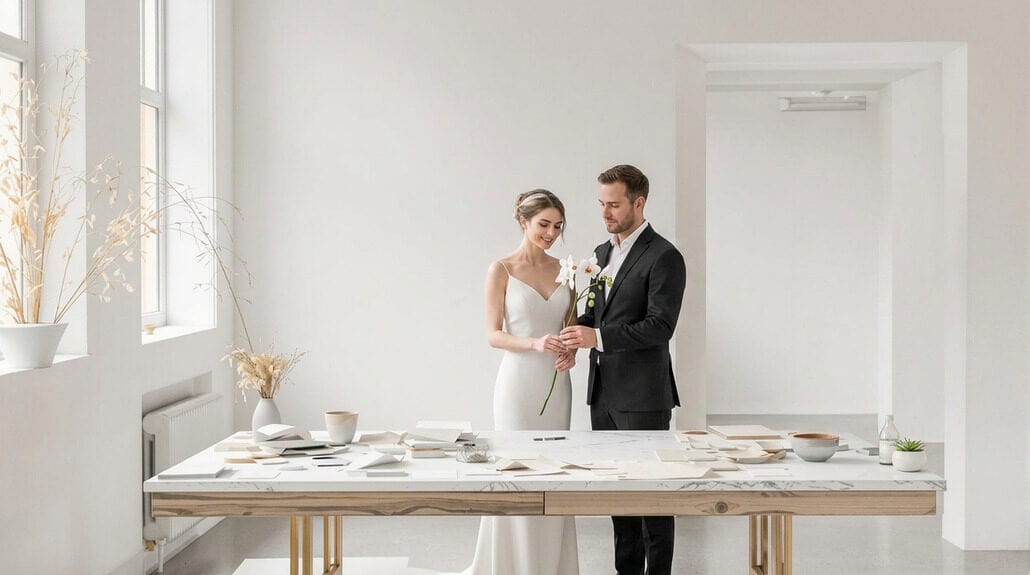
You needn’t consult Victorian dictionaries when choosing flowers—their meaning is yours to create. While historical symbolism exists (red roses for passion, lilies for purity), your personal associations and aesthetic preferences matter more. Trust your instincts. That chrysanthemum might represent death in Europe but celebration in Japan; your connection to its texture, color, or the memory it evokes transforms it into something authentically meaningful. The richest symbolism grows from your lived experience.
Victorian Language as Charming Irrelevance – Essay opening
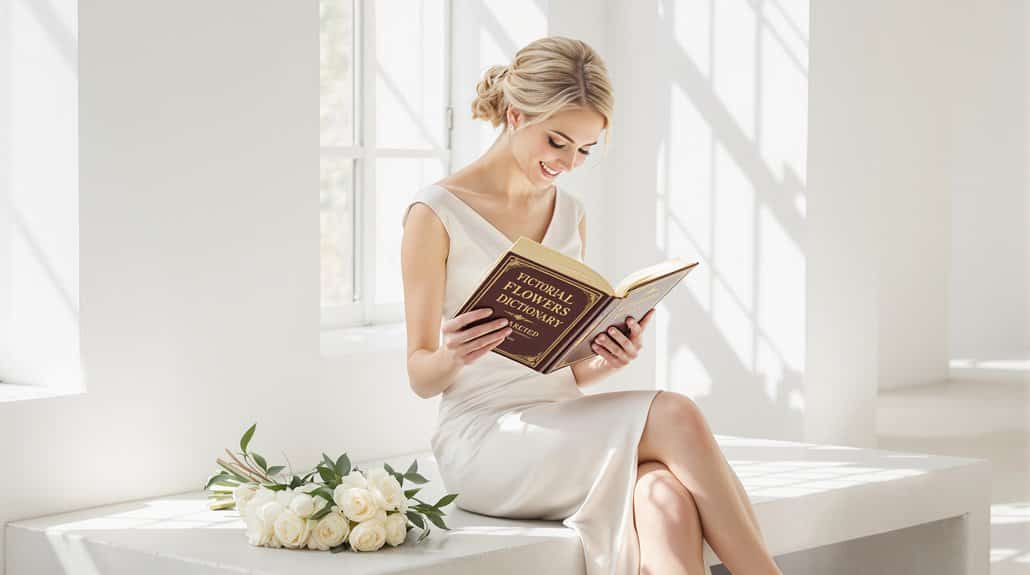
Why do we romanticize Victorian flower language when we’ve thoroughly abandoned almost everything else about their communication style? You’ll never catch yourself using “countenance” instead of “face” or describing someone’s “Athenian mouth”—and yet you might still agonize over whether sending yellow roses sends the “wrong message.” The Victorians wrapped every communication in layers of euphemism, rigid class markers, and moral coding—their flower dictionaries were just one manifestation of an elaborate system designed to regulate social behavior through language. Their literature used detailed descriptions to create powerful imagery that persists in our cultural memory.
Your personal flower meaning matters infinitely more than some dusty Victorian handbook. They lived in a world where language functioned as social gatekeeping, where women’s expression was tightly controlled, where one’s vocabulary instantly revealed one’s station. Today’s floral industry resources offer countless ways to understand and work with flowers that speak to contemporary relationships and authentic self-expression. We’ve rejected their byzantine speech patterns, their class-based linguistic hierarchies, their gender restrictions—why cling to their flower codes? Keep the beauty, discard the baggage.
Permission to Create Your Own Meanings
When ancient Japanese emperors admired cherry blossoms while Chinese nobility treasured peonies, they weren’t consulting the same flower dictionary—they were creating meaning from cultural context and personal resonance. This historical precedent offers you complete permission to define your own flower symbolism.
Trust your intuition. That inexplicable pull toward sunflowers or orchids reveals more about your authentic self than any Victorian codebook ever could. Your personal connection to a bloom—whether through childhood memories, aesthetic attraction, or emotional response—carries more legitimacy than prescribed meanings established by strangers centuries ago.
The most meaningful floral relationships develop through self-reflection. Ask yourself: Which flower embodies your core values? Which bloom’s qualities mirror your aspirations? This process transforms generic stems into potent personal symbols. Different personality types naturally gravitate toward flowers that reflect their inner nature, with introverts often choosing subtle blooms like violets while extroverts prefer sunflowers. Just as haute couture beauty creates personalized elegance through intentional design choices, your flower selections can become signature elements of your personal aesthetic.
Flower meanings have always evolved through cultural reinterpretation. You’re not breaking tradition by creating your own—you’re continuing humanity’s oldest practice of finding meaning in beauty.
Permission to Choose for Aesthetics Alone

Beauty alone justifies your flower choices—full stop. You don’t need symbolic meaning or historical justification to select blooms that simply delight your eyes. Your instinctive attraction to specific petals, shapes, and hues often reveals more about you than Victorian language ever could. This aesthetic-first approach represents the purest form of flower choice freedom.
Your sensory experience matters profoundly when selecting flowers:
- Color psychology – Your draw toward certain hues (sunny yellows or moody purples) reflects emotional states independent of cultural meanings
- Tactile experience – The velvet touch of rose petals or structural rigidity of calla lilies connects physically before symbolically
- Fragrance preference – Your olfactory attraction operates on a primal level, bypassing intellectual interpretations entirely
Trust that aesthetic preference isn’t shallow—it’s authentic. Your visual and sensory connections to flowers represent legitimate pathways to self-expression, and yet they require no justification beyond “I find this beautiful.” This disciplined editing process—choosing blooms for beauty alone—mirrors how ruthless elimination strengthens any visual composition, allowing your selected flowers to serve as clear focal points that communicate your authentic taste.
Rejecting Prescribed Symbolism
Though prescribed flower symbolism may appear authoritative, the cultural mosaic of meanings reveals its arbitrary nature. What’s “true” about flowers changes dramatically across civilizations—your Victorian language of flowers represents just one cultural moment, not universal truth.
| Culture | Flower | Personal Flower Symbolism |
|---|---|---|
| Egyptian | Lotus | Rebirth, not purity |
| Japanese | Cherry Blossom | Transience, not romance |
| Victorian | Red Rose | Love, not friendship |
| Your Life | Daisies | Your childhood memories |
| Your Choice | Any Bloom | Whatever you decide |
You’re experiencing flowers through your unique autobiographical lens. That daisy might trigger memories of summers at grandma’s, not “innocence” from some dusty Victorian handbook. Your brain literally forms different neural connections based on your lived experiences with each bloom.
And yet, the weight of cultural conditioning isn’t meaningless. You can acknowledge tradition while consciously creating personal flower symbolism that speaks authentically to your life story. Just as custom menswear tailoring allows individual expression within established sartorial traditions, your relationship with flowers can honor cultural heritage while reflecting your distinctive narrative.
Personal Association Over Historical Meaning
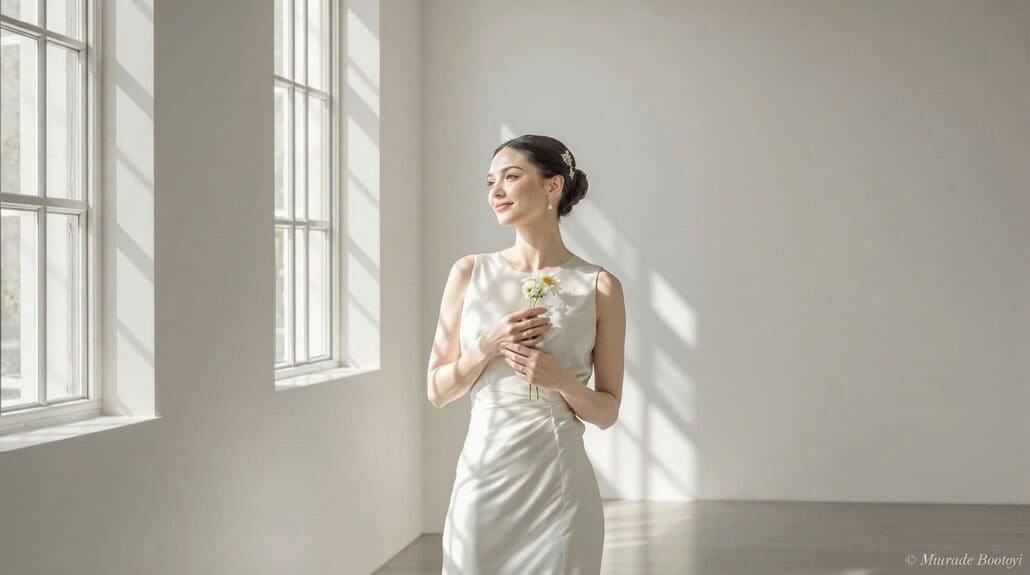
Beyond the weight of historical dictionaries lies the lively territory of personal flower meaning—your own emotional terrain mapped onto petals and stems. When you forge a connection with a specific bloom, you’re not following Victorian rules but creating an authentic reflection of your identity. Your personal flower symbolism emerges from lived experience, not dusty reference books.
Consider these approaches to finding your floral match:
- Reflect on which flower evokes your core values—perhaps the sunflower’s resilience speaks to your perseverance
- Notice which blooms repeatedly appear during significant life moments—they’re trying to tell you something
- Trust your intuitive pull toward certain flowers, even when you can’t rationalize the connection
The rose might represent passion in old texts, but for you, it could symbolize the grandmother who tended her garden with quiet determination. Your interpretation matters most—and yet, sharing these personal meanings creates new connections, building bridges between individual worlds. Just as preservation restrictions may limit how you interact with historic architecture, traditional floral symbolism can constrain your personal expression if you let it dictate meaning rather than create your own.
Flowers as Beauty Not Coded Messages
Three fundamental truths about flowers stand clear: they don’t need to carry coded Victorian messages to matter, their beauty exists independent of symbolic meaning, and you’re free to appreciate them purely as aesthetic objects.
What makes flowers mesmerizing is their inherent visual power—radial symmetry, sharp contours, and ideal complexity trigger universal aesthetic responses. Among 2,006 Czech study participants, specific floral characteristics elicited remarkably consistent preferences. Blue flowers ranked highest (when controlling for shape), while yellow landed at the bottom, and yet color remains secondary to shape in overall beauty assessment.
Flower symbolism persists as cultural baggage, but 73% of Americans purchase flowers without consulting Victorian dictionaries. They’re drawn to what research confirms: multi-species arrangements with complementary color schemes simply look better. Your appreciation needn’t be coded—it’s permission to value roses, carnations, chrysanthemums, and alstroemeria for their visual impact alone, not the messages they supposedly carry. If you’re capturing these arrangements on camera, blue-based palettes photograph particularly well, reflecting natural light beautifully and creating images that remain timeless.
Conclusion
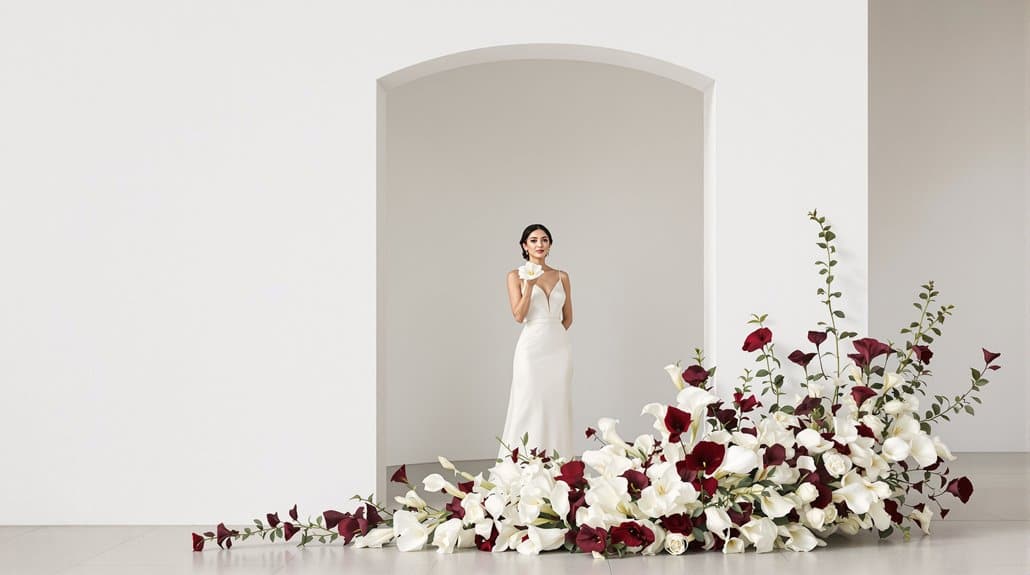
While flower symbolism fascinates us with its kaleidoscopic cultural variations—chrysanthemums celebrating happiness in Japan while mourning the dead in Europe—we’d be missing the fundamental point if we became enslaved to these coded meanings. Your bouquets deserve personal flower symbolism that speaks to your unique relationships and experiences.
Create flower meaning that matters to you through:
- Deliberate connection – Associate specific blooms with meaningful moments in your life, regardless of traditional interpretations
- Aesthetic intuition – Choose flowers for aesthetics that resonate emotionally rather than adhering to prescribed meanings
- Contextual significance – Let occasion and recipient guide your selections, acknowledging that meaning emerges from relationship
Flower meaning becomes personal when you free yourself from Victorian dictionaries and cultural prescriptions. The lotus might represent enlightenment in Buddhism, but in your garden, it can symbolize whatever transformation matters in your story. Trust your instincts—they’re more authentic than any inherited code. Just as playful interior design celebrates personal expression over rigid rules, your floral choices should reflect what genuinely resonates with you rather than what tradition dictates.