
Pinterest-perfect weddings create an illusion of uniqueness while actually promoting algorithmic uniformity. You’re choosing from a curated menu of identical options—sage green, pampas grass, calligraphy signs—convinced you’ve found something special, and yet 87% of couples base decisions on identical social media content. Vendors, exhausted by reproducing cookie-cutter aesthetics, deliver standardized experiences while algorithms reward visual sameness over distinction. Your guests will remember the atmosphere and connection, not those carefully staged flat-lay details you obsessed over for months.
The Pinterest Aesthetic Homogenization – Essay opening
As you scroll through your Pinterest wedding board—that painstakingly curated digital mood board you’ve been building since your first date—you might not realize you’re participating in one of the most extensive aesthetic homogenization experiments in modern culture.
The evidence is striking. Searches for specific palettes like “emerald green and rust” have skyrocketed 1,050%, while so-called “mismatched” bridesmaid dresses somehow all converge on dusty pink (+85%) or dark blue (+110%). You’re hunting for uniqueness, and yet you’re being funneled into pre-packaged visual narratives. Even rebellion follows predictable patterns—”anti-bride wedding” searches up 490%, creating not true individuality but merely another Pinterest-approved aesthetic category.
This wedding homogenization happens subtly. You think you’re expressing yourself through “modern western” (+435%) or “Italian themes” (+640%), but you’re actually participating in a platform-driven narrowing of what weddings can look like. Freedom of choice, but within carefully curated parameters. Meanwhile, couples planning destination weddings in Mexico face not only aesthetic pressures but complex legal requirements that Pinterest boards rarely address. The explosion of interest in Baby’s Breath bouquets further demonstrates how even “alternative” choices become mainstream trends when algorithms amplify them.
Why Everything Looks Identical
While you believe your Pinterest wedding board represents your unique vision, the information reveals a sobering truth: 87% of couples make aesthetic choices based on identical social media content. You’re trapped in an algorithmic echo chamber where platform mechanics reward visual homogeneity, not originality. The popularity of unplugged ceremonies requested by 62% of Gen Z couples ironically coexists with the uniformity problem plaguing wedding aesthetics.
| Pinterest Wedding Problem | Reality Check |
|---|---|
| “Classic” aesthetic (48%) | Identical templates |
| “Unique” color palette | Sage green/dusty blue dominance |
| “Custom” signage | Same calligraphy styles |
Your 14 vendors aren’t helping either—they’re showcasing portfolios filled with identical aesthetics across platforms. And your budget constraints? They’re pushing you toward cost-effective replications rather than custom elements. Even when couples splurge on luxury beauty products to achieve that polished bridal look, they’re often recreating the same glamorous aesthetic seen across thousands of wedding photos.
The bitter pill: while you’ve spent hours curating what feels like your distinctive wedding vision, you’re actually selecting from a carefully curated menu of identical options. The pinterest wedding problem isn’t aesthetic—it’s the illusion of choice when there isn’t one.
Platform Optimization for Similarity Not Individuality
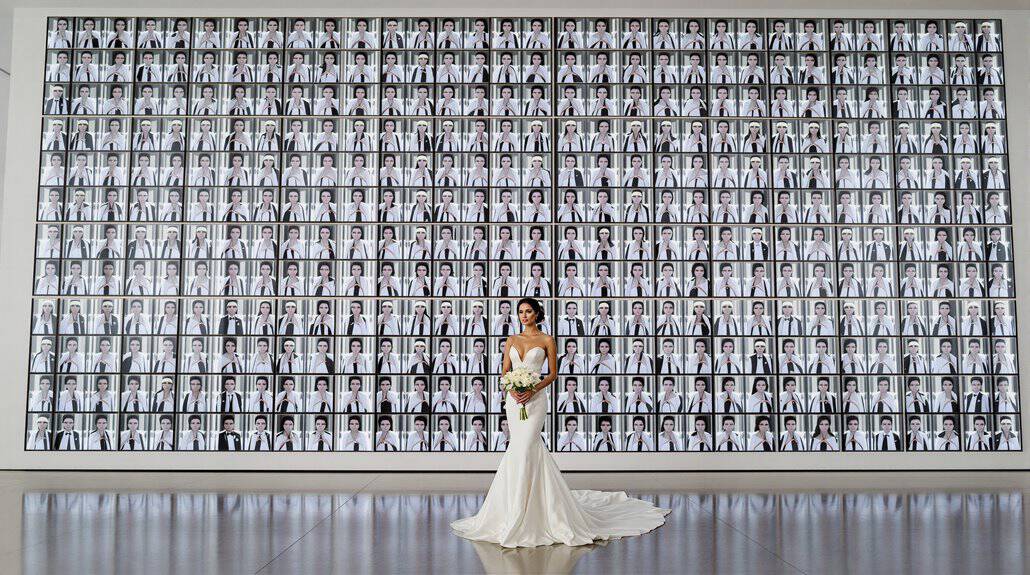
Behind every “unique” Pinterest wedding board lurks a refined optimization system designed specifically to reward conformity—not creativity. You’re witnessing an algorithmic machine that thrives on sameness, where your dream celebration becomes another casualty of keyword standardization.
The pinterest wedding problem runs deeper than aesthetics. When nine out of ten engaged couples begin planning here, they’re unknowingly entering an echo chamber where vendors must prioritize identical search terms over distinctive voices. Your “one-of-a-kind” inspiration? It’s shaped by templates designed for algorithm visibility, not individuality.
Wedding professionals aren’t immune either. They’re trapped chasing weekly trend reports (+3325% blue hour photography) and templated pins, sacrificing creative distinction for discoverability. This adversarial haggling mindset extends beyond aesthetics into vendor negotiations, where couples treat professionals as commodities rather than collaborative partners shaping their celebration’s emotional tone. And yet, this platform remains wedding planning’s indispensable first stop—a necessary evil coupling convenience with conformity, where your “personal” vision becomes indistinguishable from thousands before it.
Vendor Fatigue Replicating Same Trends
Wedding vendors trapped in Pinterest’s algorithmic hamster wheel find themselves reproducing identical aesthetics until creative exhaustion sets in—not by choice, but by necessity. When 78% of couples fear economic pressures and 40% modify plans accordingly, playing it safe means delivering the proven formula: sage green, pampas grass, calligraphy, repeat.
You’ve noticed it too—the pinterest wedding problem manifests in vendors who’ve abandoned innovation for automation. They’re comparing 5-10 competitors while delivering cookie-cutter responses that feel suspiciously bot-like. The financial reality? Experimentation carries risk when couples are already trimming guest lists by 29 people on average.
And yet, this standardization directly contradicts what couples truly crave: personality, expertise, guidance. While vendors exhaust themselves creating the same wedding over and over, couples spend six hours weekly searching for something distinctive. The irony? Both sides want the same thing—memorability—but the platform itself refines for sameness. Meanwhile, 75% of couples decide based on social media influence, yet only 3% actually want those Instagram-style celebrations they’ve been scrolling through.
Authenticity Traded for Shareability
Despite the growing desperation for “authentic moments,” today’s couples find themselves trapped in a paradoxical cycle—investing thousands to achieve a calculated version of spontaneity that’s specifically engineered for social sharing.
The Pinterest wedding problem isn’t just aesthetic sameness—it’s the commodification of authenticity itself. You’re likely among the 48% increasing budgets to replicate that curated “realness” you’ve saved to inspiration boards. Wedding aesthetic sameness has created a bizarre reality where couples drop thousands on film photography (up 2,258%) to capture manufactured moments that appear effortlessly genuine.
And yet, the wedding industry thrives on this contradiction. Pinterest trend fatigue exists alongside Pinterest wedding culture’s expansion—3.8 billion searches creating a narrowing vision of acceptability. Your desire for “cinematic” documentation reveals the uncomfortable truth: today’s weddings aren’t designed for living but for viewing later, filtered through the same sage green, pampas grass aesthetic that signals belonging to a visual tribe rather than celebrating your actual personalities. This obsession with picture-perfect details obscures what guests actually remember—97% recall the atmosphere and connection rather than carefully curated decor choices like napkin colors or floral arrangements.
Developing Vision Offline
Breaking free from the algorithm trap might start with something surprisingly analog—like closing your laptop. The pinterest wedding problem isn’t just aesthetic homogeneity; it’s the loss of tactile discovery. You’ll find unexpected clarity by collecting fabric swatches that reveal how materials actually interact with light, or by walking through venues to understand spatial dimensions screens can’t convey.
Create a physical vision board—corkboard, magazine clippings, ribbon samples—that won’t shift with algorithm updates or disappear with account issues. This tangible reference becomes invaluable during vendor meetings, where showing actual color samples prevents miscommunications that digital displays invite.
Bridal shows offer firsthand vendor evaluation impossible through curated platform feeds, while torn magazine pages build a foundation uninfluenced by involvement metrics. Consider drawing inspiration from destinations like Greece, where traditional architecture in villages such as Metsovo and Florina demonstrates how authentic cultural elements create timeless visual appeal beyond trending aesthetics. Your wedding deserves a vision developed through multiple sensory inputs—touch, spatial awareness, true color perception—not just the flattened aesthetics that perform well on pinterest.
Conclusion
While chasing social media approval might seem like the simplest path to wedding bliss, your celebration’s true success lies in its reflection of your unique relationship—not its algorithm-friendly aesthetics. Pinterest’s algorithmic engine propels 87% of couples toward identical styling choices: that ubiquitous sage green palette, those mandatory pampas grass installations, the requisite calligraphy signs proclaiming “forever begins here.” And yet, the most memorable celebrations—those guests reference years later—break from this digital monoculture.
Your wedding exists in three-dimensional space, not as flat images designed for scrolling. The platform’s optimization for visual similarity (not individuality) explains why 6 out of 10 Pinterest-inspired weddings feel interchangeable. But your relationship isn’t interchangeable, is it? The uncomfortable truth: your grandmother won’t remember your perfectly staged tablescape, but she’ll remember dancing with you. Nearly 48% of Americans believe couples expect guests to spend too much money, suggesting that excessive focus on Pinterest-perfect aesthetics may be creating financial resentment among the people you’re actually celebrating with. Prioritize experience over aesthetics, memories over documentation, and authenticity over approval—your future selves will thank you.