
Your wedding photographer isn’t your friend—and shouldn’t pretend to be. Despite 42% of couples expecting “friendship vibes,” this manufactured intimacy creates boundary issues that compromise image quality and professional focus. When photographers shift energy from technical excellence to performative connection, everyone loses. Clear, respectful boundaries allow photographers to concentrate on capturing authentic moments rather than maintaining faux relationships. The best wedding memories come from professionals who prioritize their craft over false closeness. The truth about these liminal relationships reveals much more.
The False Intimacy Culture – Essay opening
How often have you studied a stranger’s face and felt you knew them? It’s the paradox of our image-saturated world—we develop deep, one-sided connections with people we’ve never met. This manufactured intimacy has infected wedding photography, where professional boundaries blur into uncomfortable territory: your photographer showing up as your “bestie with a camera” rather than the skilled professional you hired.
The truth? Your photographer isn’t your friend—and shouldn’t pretend to be. This isn’t cynicism, but clarity. When 42% of couples report expecting “friendship vibes” from their photographer, we’ve crossed into dangerous territory. And yet, photographer boundary issues serve nobody well—not you, expecting emotional labor beyond the contract, nor the professional, burning out while performing connection that feels increasingly hollow. This dynamic mirrors the historical trajectory of erotic photography, where the blurring of boundaries between artistic intent and personal connection has always created complex ethical implications.
The confusion between genuine relationships and commercial transactions has consequences that extend far beyond your wedding day. Consider that traditional ceremonies rely on clearly defined roles—from the chuppah ceremony where specific participants hold designated positions, to modern weddings where vendors maintain professional distance while delivering exceptional service. Let’s unpack why.
Photographers Performing Friendship
While scrolling through Instagram, you’ve unquestionably encountered photographers describing their clients as “friends from the moment we met” or claiming they “cried behind the camera” at a wedding they shot last weekend. This performance—this calculated display of intimacy—has become standard marketing practice, blurring essential photographer-client boundaries that should remain crystal clear.
The professional relationship between you and your photographer requires trust, not manufactured friendship. Those tearful captions and heart emojis? They’re business strategy, not authentic connection. And yet, photographers aren’t entirely to blame; they’re responding to a market that rewards this false intimacy, this pantomime of personal investment. Establishing clear contractual terms from the beginning helps prevent the confusion that arises when professional lines are blurred.
The consequences ripple outward: clients expecting 2 AM text responses, photographers burning out from emotional labor that exceeds their job description, everyone confused about where business ends and friendship begins. Unlike actual sacramental moments like the Catholic marriage ceremony, which involve genuine spiritual commitment and clearly defined roles, photography services are commercial transactions that function best with professional boundaries. Neither party benefits from this charade—not you, not them, not the quality of the final photographs.
Why Couples Expect BFF with Camera
When we dissect why couples expect friendship from their wedding photographers, we find a perfect storm of emotional vulnerability, financial investment, and social media conditioning.
You’re spending $4,000+ on someone who’ll witness your most intimate moments—why wouldn’t they be your friend? The photographer-client relationship exists in this bizarre liminal space. You’ve invited them into your getting-ready suite, your first look, your family drama. They’ve seen you cry, adjust undergarments, argue with your mother-in-law. And yet, professional boundaries remain essential despite this forced intimacy.
Instagram hasn’t helped. Photographers post behind-the-scenes reels showcasing their “relationships” with couples, creating false expectations. Wedding photography culture now thrives on this friendship performance—vendors tagging couples in stories, sending birthday texts, creating connection where business relationships should exist.
This blurred line becomes problematic when couples fail to recognize that disregarding professional boundaries can strain relationships and undermine the mutual respect essential for exceptional service delivery.
You deserve excellent service, not a manufactured friendship that dissolves post-gallery delivery.
How Boundary Confusion Serves Nobody
The boundary confusion that plagues photographer-client relationships creates a lose-lose scenario where everyone suffers—photographers, couples, and finally, the final product itself. When professional photographer relationships blur into quasi-friendships, everyone pays the price through diminished results and mounting resentment.
- Your photographer’s burnout directly impacts your photos – carrying 30+ pounds of equipment for 12 hours while responding to your 11pm texts leads to depleted creativity exactly when you need it most
- Scope creep costs both parties – each “quick favor” outside the contract dilutes focus on what you’re actually paying for
- Overextended vendors make mistakes – expecting 24/7 availability creates the exact communication breakdowns you hired professionals to avoid
- Wedding vendor friendship expectations create financial instability – photographers who can’t maintain boundaries eventually price themselves out of business
- The emotional labor photographers perform requires professional boundaries to sustain – surface acting through exhaustion and deep acting to care authentically within limits cannot continue indefinitely without clear structural protection
Photographer boundary issues don’t just hurt the professional—they ultimately compromise what matters most: your wedding memories.
Professional Respect vs Manufactured Closeness
Genuine professional relationships thrive on respect, not forced intimacy—a distinction that’s increasingly blurred in today’s photography business scenery. The manufactured “bestie with a camera” persona creates a facade of closeness that ultimately undermines the professional boundaries necessary for both parties to thrive.
You deserve a photographer who respects you enough to maintain appropriate client relationships—someone who delivers exceptional work without the emotional theater of pretending you’re lifelong friends after two meetings. Authenticity means acknowledging the transactional nature of your connection while still delivering personalized, attentive service.
When photographers maintain professional distance, they paradoxically create space for genuine appreciation to develop naturally. The most respected professionals in any field understand this balance instinctively. They don’t manufacture false familiarity; they earn your trust through consistent excellence, clear communication, and respect for boundaries. Even wedding etiquette experts recognize that professional service providers should maintain appropriate boundaries while delivering exceptional, personalized care. And isn’t that ultimately more valuable than another superficial “friendship” neither of you actually has time to maintain?
Why Transactional Clarity Produces Better Work
Beyond the manufactured relationships and awkward boundary-blurring lies a simpler truth: professional clarity actually produces better creative work. When you and your photographer establish transparent expectations rather than faux friendship, you’re creating the foundation for exceptional results in your wedding documentation.
The professional photographer *vibe* thrives on clarity, not confusion. Consider these benefits:
- Defined deliverables — When contracts specify exactly what you’ll receive, both parties can focus on quality rather than managing expectations
- Creative freedom — Photographers unburdened by wedding photographer relationship anxiety produce more authentic, confident images
- Streamlined communication — Clear boundaries eliminate the emotional labor of pretending to be besties, redirecting that energy toward technical excellence
- Conflict prevention — Addressing photographer boundary issues upfront prevents the disappointment that comes when “friends” don’t deliver professional-grade work
This same principle applies across all vendor relationships: professional planners who maintain clear boundaries dedicate their energy to crisis prevention and management rather than emotional maintenance, often investing 77 hours pre-event to ensure flawless execution.
You’re not hiring a new best friend—you’re commissioning an artist whose best work emerges through professional respect.
The Better Model: Excellence Not Friendship
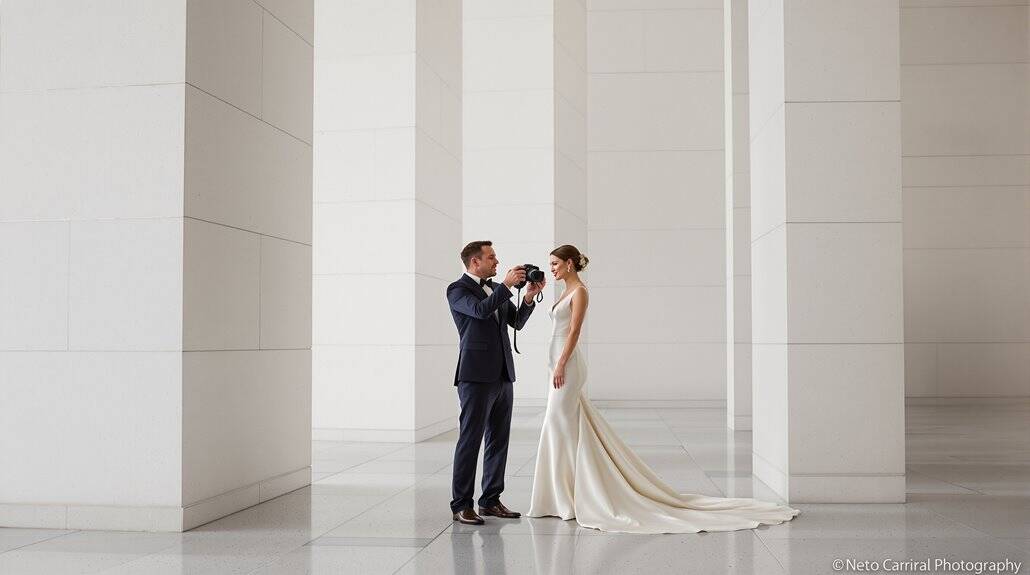
While many photographers attempt to sell themselves as your next BFF, truly exceptional professionals prioritize something entirely different: technical mastery coupled with clear boundaries. Your wedding photographer relationship shouldn’t hinge on manufactured intimacy—it should revolve around their ability to capture outstanding images while maintaining photographer boundary issues at appropriate levels.
Consider this: 91% of models prefer open communication over false familiarity, and the brief hours you’ll spend together on your wedding day aren’t enough to forge authentic friendship anyway. What you actually need is someone who understands composition, anticipates moments, and respects personal space—not someone pretending to be your bestie.
Professional boundaries create the psychological safety necessary for everyone to focus on their roles. Your photographer manages technical excellence; you experience your day. And yet, the resulting images will feel more intimate precisely because the relationship wasn’t muddied with performative friendship.
If you’re seeking a venue that exemplifies this balance of professionalism and artistry, consider the Whitney Museum’s wedding spaces, where architectural excellence provides the perfect backdrop for photographers who prioritize craft over casual familiarity.
Conclusion
Professional relationships work best when we’re honest about what they actually are. The photographer-client relationship thrives on clarity, not the hazy middle ground of performed friendship that leaves both parties dissatisfied. Your photographer’s job isn’t to be your bestie—it’s to deliver outstanding imagery through their professional expertise while maintaining clear, consistent boundaries.
- Establish professional boundaries early through contracts that specify communication expectations and working parameters
- Cultivate a client relationship built on mutual respect rather than artificial intimacy
- Value photographer professionalism over perceived friendliness when selecting your vendor
- Recognize that meaningful work comes from clearly defined roles, not blurred personal-professional lines
You deserve a photographer who delivers excellence, not one who pretends to be your friend while secretly resenting the 2 AM texts about place settings. And yet, the best professional relationships often feel warm, respectful, and genuinely supportive—precisely because they honor the true nature of the connection. Just as California marriage licenses require clear legal documentation and adherence to specific requirements, successful photographer-client relationships depend on transparent agreements that define expectations from the start.