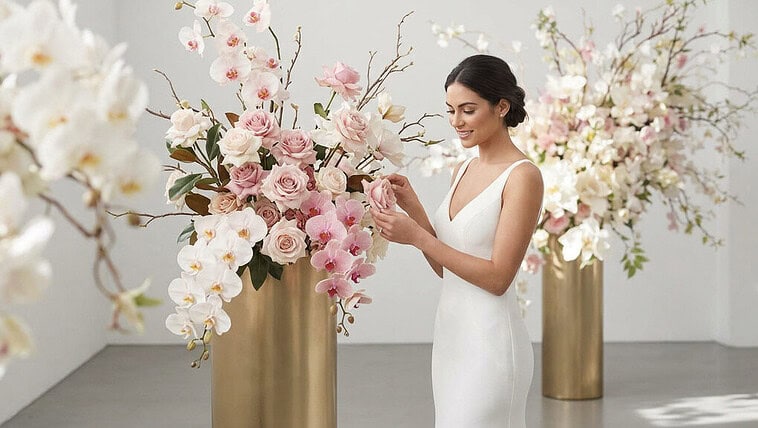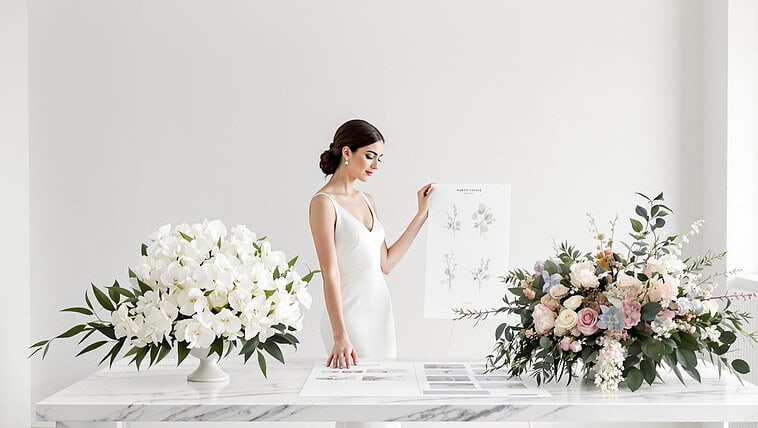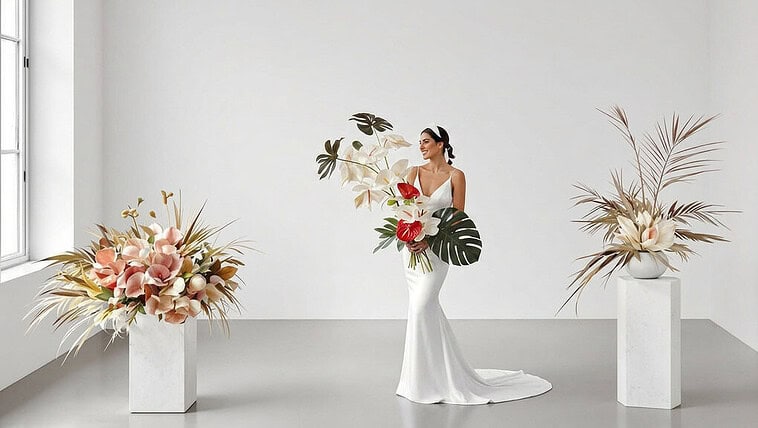
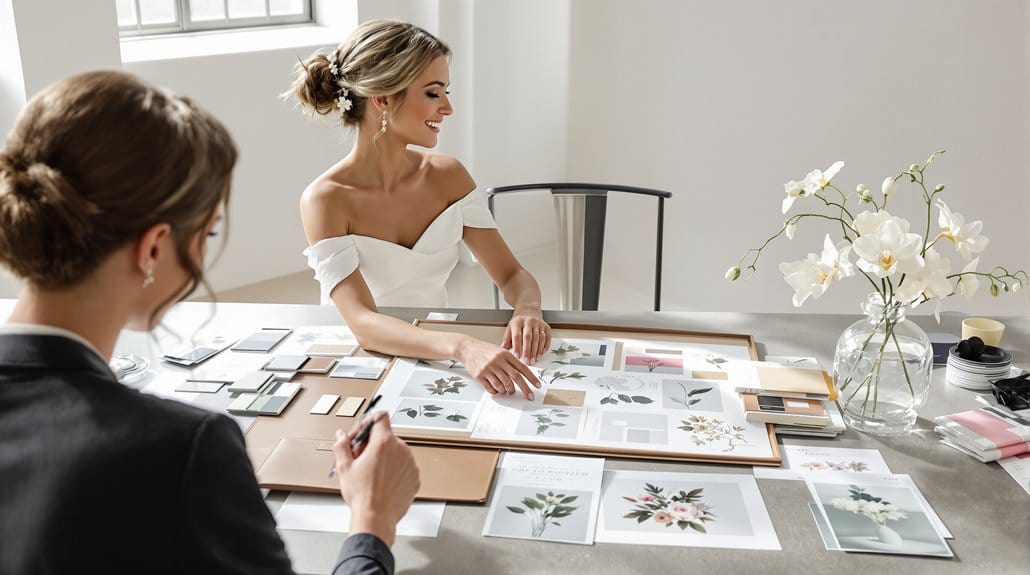
To brief your florist effectively, bridge the vocabulary gap with visual communication. Create Pinterest boards showing desired “feelings” and collect 5-7 high-resolution images with specific notes like “looser garden style.” Describe structure and mood (“romantic but not traditional”) rather than naming specific flowers. Share your actual budget range early, and provide venue details. Trust their technical expertise—focus on conveying the emotional outcome you want. The right communication transforms vague ideas into botanical reality.
The Vocabulary Gap Problem
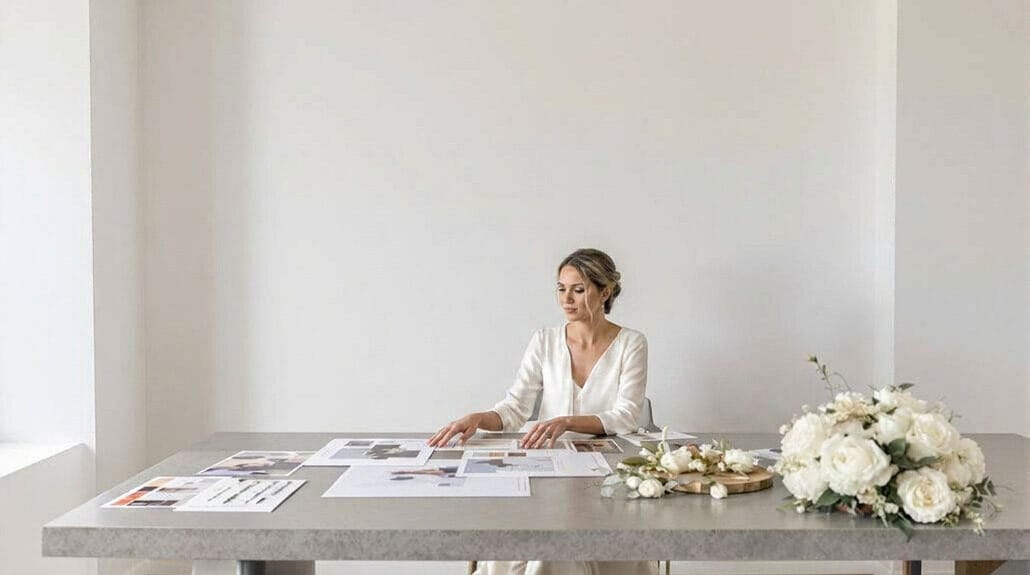
When you walk into a florist shop with dreams of “whimsical but elegant” arrangements for your special event, you’re immediately confronted with the vocabulary gap that separates professionals from clients. You know what you want—but translating your vision into floral terminology feels like speaking a foreign language.
This communication barrier isn’t your fault. Florists work with specific design vocabularies daily—cascade versus hand-tied, monochromatic versus complementary color schemes, focal versus filler flowers—while you’re trying to convey complex aesthetic feelings using whatever words you have. Most clients can identify 3-5 flower varieties at most, yet professional designers regularly work with hundreds.
The floral design vocabulary disconnect causes 78% of revision requests, according to industry insiders. Your florist isn’t being difficult when they ask detailed questions; they’re attempting to bridge this gap, translating your emotional and visual desires into the technical specifications that will actually create what you want—but can’t quite name. This knowledge gap affects approximately 12% of millennials who feel unsure about proper flower care, making them hesitant to discuss preferences with professionals. Beyond basic vocabulary challenges, successful communication requires reviewing complete wedding portfolios to understand how different florists interpret similar aesthetic descriptions and execute consistent designs.
Curating Useful Visual References
The vocabulary barrier becomes conquerable with the right visual tools in your arsenal. When words fail, images speak volumes—especially when trying to communicate with wedding florists who think in botanical textures rather than emotional adjectives. Build a collection of 5-7 high-resolution photos that capture not just pretty arrangements but specific elements you’re drawn to: the asymmetrical cascade of one bouquet, the color palette from another.
Don’t just dump images into your floral design brief, though. Each visual reference needs contextual notes—”I love the loose, garden-style structure here, but with deeper burgundy tones”—that pinpoint exactly what strikes a chord. Digital mockups offer precision for venue-specific installations, while mood boards excel at capturing overall aesthetic direction. Consider including examples with varying heights and layering techniques as these create visual depth in arrangements that mimic natural garden settings. If you’re planning a ceremony at a Smithsonian museum or garden, reference photos should account for the architectural grandeur and existing botanical elements of these historic spaces. The most effective collections combine multiple reference types: inspiration photos, sketches, even AI-generated imagery that approximates your vision when perfect examples prove elusive. Your florist craves this visual specificity.
Communicating Style Preferences Without Jargon

Describing your floral vision becomes remarkably simpler once you understand the architectural vocabulary that shapes arrangements without drowning in industry jargon. Your floral design conversation should focus on structure and feeling rather than specific bloom names you can’t pronounce.
| Design Element | What to Say in Your Own Words |
|---|---|
| Shape | “I want something that feels wild and sprawling, not tight and perfect” |
| Texture | “I’m drawn to velvety, touchable flowers mixed with delicate, papery elements” |
| Density | “I prefer arrangements with breathing room between blooms” |
| Energy | “I want the flowers to feel relaxed and natural, not formal” |
When you communicate with wedding florists, bring images that capture the overall mood—not just specific flowers. Explain your wedding flower vision through contrasts: “romantic but not traditional,” “natural but still elegant,” “colorful but refined.” These polarities immediately clarify what you’re seeking without requiring technical terminology. Just as you would approach wedding makeup preparation with a clear vision of your desired look, bring that same clarity to your floral consultations by sharing mood boards and reference images.
Discussing Budget Meaningfully
Broaching the topic of money with your florist shouldn’t feel like diffusing a bomb, and yet most couples approach this conversation with unnecessary trepidation. Initial budget discussion isn’t just polite—it’s essential protection against the inevitable scope creep that happens when creative professionals aren’t given financial guardrails.
Your transparent communication about money (yes, actual numbers) during that first consultation prevents the heartbreak of falling in love with designs you can’t afford. Florists need to know if you’re working with $2,000 or $20,000 before they start sketching concepts. Setting clear financial boundaries isn’t rude; it’s respectful of everyone’s time and emotional investment.
Remember: delivery fees, setup costs, vessel rentals, and seasonal availability all impact your bottom line. Prioritize your must-haves (bridal bouquet, ceremony backdrop) and be forthright about what’s negotiable. Set aside a 10–15% contingency fund specifically for florals to protect against seasonal price hikes or last-minute design adjustments without derailing your overall wedding budget. The clearest briefs are, paradoxically, those with the firmest constraints.
Asking Smart Questions
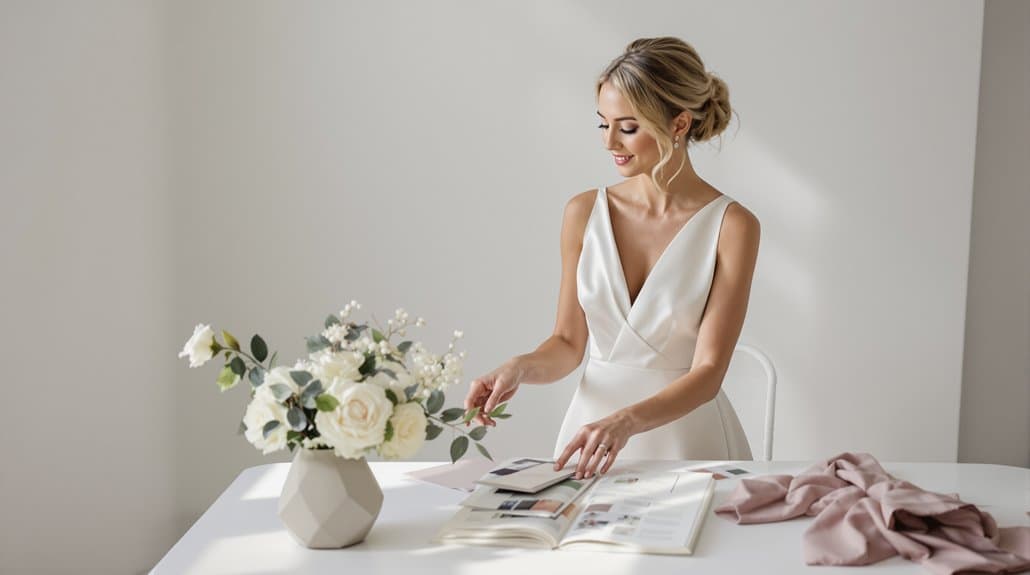
While armed with a defined budget, your next critical mission involves interrogating potential florists with questions that truly separate professionals from pretenders. This isn’t merely chitchat—it’s a tactical reconnaissance mission to determine who’ll translate your abstract vision into botanical reality.
When you communicate with wedding florist candidates, probe beyond their Instagram-worthy portfolios. Ask about their backup supplier network when peonies suddenly become unavailable, or how they’d handle a 95-degree July ceremony. Request specific examples of similar-budget executions, not vague assurances.
The most effective florist communication tips involve timeline interrogation: Will they personally execute your design or delegate to assistants? Can they commit to a pre-wedding mockup? Will they conduct venue site visits?
To brief florist wedding teams effectively, you must understand their contingency protocols and venue familiarity. Professionals welcome these questions—they’ve anticipated them. Amateurs stumble, revealing gaps in their experience through hesitation rather than answers. Don’t forget to discuss your overall beauty aesthetic with your florist, especially if you’re incorporating luxury French beauty products like Lancôme into your wedding day look, as this can influence your floral color palette and styling choices.
Collaborative Design Process
Once you’ve settled on a florist who can translate your floral language deficiency into breathtaking arrangements, the real creative work begins. The most successful client-florist relationships aren’t transactional but deeply cooperative—you providing the emotional blueprint while they contribute technical expertise. To effectively brief florist wedding visions without knowing peony from ranunculus, embrace the power of visual communication.
When you explain wedding flower vision, prioritize these emotion-generating tools:
- Create Pinterest boards capturing your desired “feeling”—not just flower types
- Schedule consultations when your florist has mental bandwidth (not their busiest season)
- Participate in venue walkthroughs to communicate with wedding florist on-site
- Share concrete details about color preferences, budget constraints, and must-have moments
The magic happens in this partnership space. You don’t need floral vocabulary; you need to articulate feelings, memories, and ambitions—and trust your designer to translate them into botanical reality. Just as designers like Badgley Mischka create elegant bridal collections that balance sophistication with personal style, your florist should craft arrangements that reflect your unique wedding vision.
What to Leave to Florist Expertise

Even the most detailed Pinterest boards can’t teach you everything about floral design that professionals spend years mastering. When you brief your wedding florist, focus on communicating vision, not mechanics. Those five distinct wiring techniques? The 45-degree diagonal stem cuts? The specific conditioning requirements for woody stems? These technical aspects deserve professional respect.
Your job isn’t to explain *how* to create your dream arrangements—it’s to explain *what* they should evoke. The best way to explain your wedding flower vision is through emotions, colors, and overall aesthetic rather than specific structural demands. You might know you want “romantic but not traditional,” but translating that into appropriate foliage selection and focal flower placement requires expertise.
Trust your florist with the terracing techniques, stem lattices, and conditioning protocols. Their botanical knowledge—developed through thousands of arrangements—transforms vague Pinterest inspiration into living art that won’t wilt before your first dance. If you’re planning an intimate celebration, consider exploring unique venue rentals that can complement your floral vision and create the perfect backdrop for your arrangements.
Conclusion
How effectively do you translate your dreams into a language your florist understands? The bridge between your vision and their expertise isn’t built on floral terminology—it’s constructed through intentional communication, organized preparation, and mutual respect.
To brief florist wedding professionals successfully, remember these essentials:
- Visual references speak louder than words – curate 10-15 images that capture your emotional response, not just aesthetic preferences
- Budget transparency creates trust – share your actual number, not a range, allowing your florist to allocate resources tactically
- Venue context matters deeply – provide detailed site information and timeline to eliminate logistical surprises
- Trust professional expertise – explain wedding flower vision in emotional terms, then let them translate into botanical reality
When you communicate with wedding florist professionals effectively, you’re not just ordering flowers. You’re crafting a partnership that transforms abstract feelings into tangible beauty—a cooperative process that honors both your dreams and their craft. Whether you’re planning ceremonies in lush tropical gardens or on pink sand beaches, certified wedding specialists can help coordinate your floral vision with venue-specific considerations to ensure every botanical detail aligns with your dream setting.