To manage warehouse wedding temperatures without financial ruin, consider tactical timing—book in moderate months to slash HVAC costs by 15-20%. Create microclimate zones instead of cooling the entire space; four properly positioned industrial fans at 45-degree angles outperform multiple smaller ones. Embrace temperature as design: summer string lights allow natural cooling, while winter candles suggest warmth. You’ll stretch guest comfort from 60-75°F to 50-85°F with smart lighting and decor placement. The real magic happens in the details.
The Temperature Problem in Raw Spaces
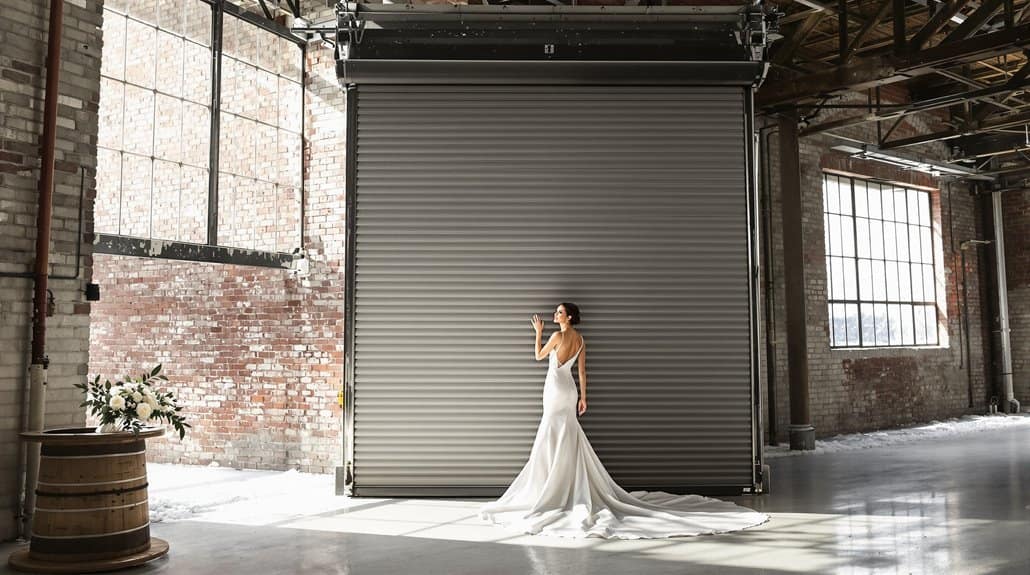
While warehouse venues offer Instagram-worthy industrial charm and wide-open spaces, they’re fundamentally improved brick-and-metal heat traps with practically zero temperature regulation built in. Your dream industrial venue? It’s a solar oven in July, a walk-in freezer come December.
That gorgeous uninsulated structure you’ve booked lacks critical thermal barriers, allowing outside temperatures to dictate interior comfort with brutal efficiency. Every metal beam becomes a thermal bridge, bypassing what little insulation exists. Unlike dedicated temperature-controlled warehousing, these venues weren’t designed to maintain specific environmental conditions for product integrity. The 30-foot ceilings you adore? They’re creating massive temperature stratification zones where your carefully cooled air rises far above your shivering guests. Additionally, many emerging luxury trends emphasize the importance of environmental comfort, making it essential to create a pleasant atmosphere for your guests.
Warehouse wedding climate control isn’t simply about comfort—it’s physics. Without proper heat warehouse wedding strategies, you’re fighting the building itself. Those concrete floors and metal walls absorb moisture unpredictably, creating humidity nightmares alongside temperature control challenges. Your 150 dancing bodies generate BTUs equivalent to several space heaters, overwhelming inadequate systems in minutes.
Industrial HVAC Rental Costs and Capacity
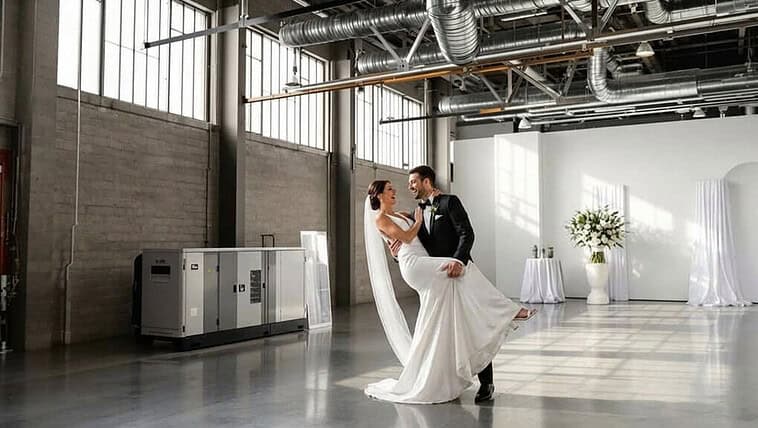
When your venue becomes a climate control nightmare, the rescue squad comes with industrial-sized price tags. Warehouse wedding climate control demands serious equipment—air-cooled chillers ranging from 30 to 510 tons or portable commercial AC units scaled precisely to your space’s dimensions. You’ll need to factor square footage, ceiling height, and insulation quality into your calculations. To ensure optimal performance, consider creating a planning timeline that aligns your equipment needs with the event schedule.
Expect to shell out between $1,838-$2,010 monthly for extensive hvac wedding rental in markets like Cary, NC—a significant expense, yet categorized as operational rather than capital, a distinction your accountant will appreciate. The upside? No depreciation headaches or maintenance responsibilities. Commercial spaces like warehouses typically require specialized systems that can cost up to $50,000 for installations with advanced features.
Climate control industrial space solutions offer surprising flexibility—daily, weekly, or monthly terms with equipment swapping privileges when needs change. Providers like United Rentals maintain massive networks across 49 states, offering 24/7 support and professional installation. Expensive? Absolutely. But transforming your brick oven or meat locker into guest-worthy comfort requires professional-grade intervention.
Seasonal Timing as Climate Strategy
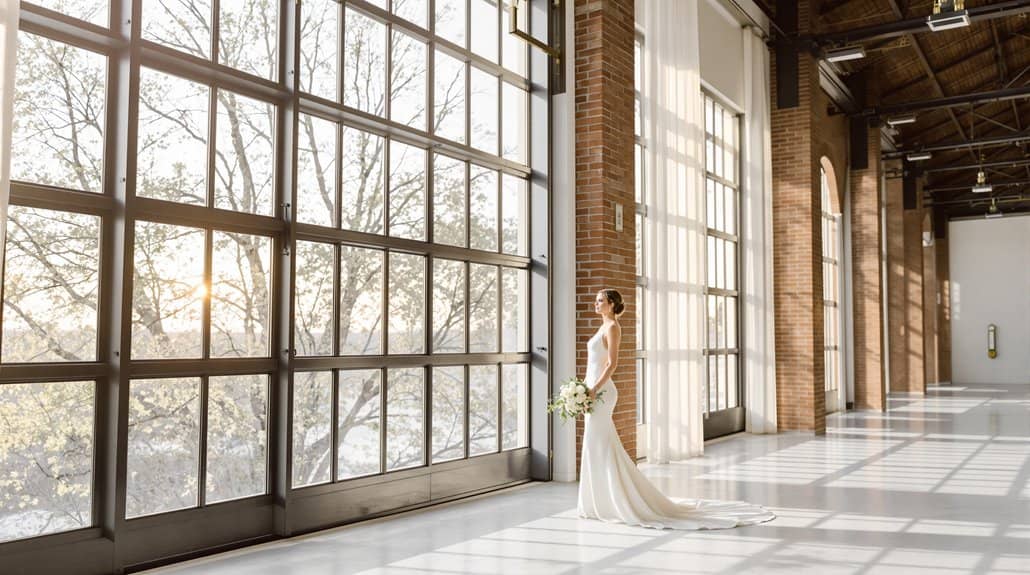
Beyond equipment considerations lies perhaps your smartest defense against climate control costs—strategic scheduling.
The math is brutally simple: your warehouse wedding climate control needs skyrocket when outdoor conditions turn extreme. October weddings (now claiming 41% of all ceremonies) demand maximum cooling capacity precisely when rental costs peak. And yet, booking during January-February off-season could slash your HVAC requirements by half or eliminate them entirely.
Regional variations matter tremendously. Your Phoenix warehouse wedding needs cooling systems by March, while Chicago venues might delay until June—timing that translates directly to thousands saved. The calculus grows more complex with geography: Seattle’s October rainfall doubles September levels, shifting heat warehouse wedding considerations toward moisture management instead.
Your warehouse weather planning should acknowledge this reality: each month off-peak represents approximately 15-20% savings on climate infrastructure, with winter months offering the most dramatic relief from the brick-oven effect that makes summer warehouses so punishing. Additionally, employing effective tier allocation strategies can help optimize your overall budget when planning for climate control expenses.
Architectural Heat Management: Fans and Cross-Breeze
How effectively you position airflow systems determines whether your guests dance joyfully or melt into puddles against exposed brick. Natural ventilation remains your most cost-effective ally in warehouse climate control—a straightforward concept with devilish execution details.
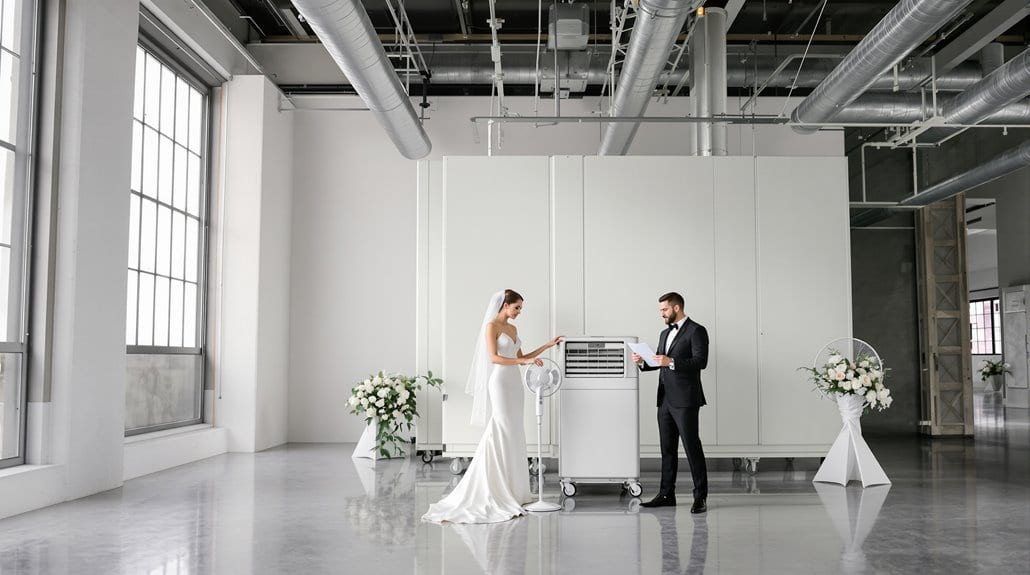
You’ll need industrial fans tactically placed at 45-degree angles, not blowing directly at people but creating circular airflow patterns that sweep across the entire space. Four 36-inch drum fans positioned at corners will outperform twelve randomly scattered box fans, and yet placement matters more than quantity. Create cross-breeze pathways by opening opposing doors or windows, calculating wind direction beforehand—an east-facing entrance paired with west-facing windows creates natural pressure differentials that literally push hot air out.
For evening receptions, leverage cooler night air by opening high windows two hours before guests arrive. Temperature drops of 8-12 degrees are achievable with zero electricity, assuming you’ve mapped your airflow architecture properly.
When to Accept Temperature as Design Element

Sometimes the most elegant design solution is surrendering to what you cannot control. When climate control costs threaten to devour your budget, consider embracing temperature as a design feature rather than fighting it. Your warehouse wedding can incorporate seasonal lighting that acknowledges—even celebrates—the natural thermal qualities of the space.
| Season | Design Element | Temperature Narrative | Guest Experience |
|---|---|---|---|
| Summer | String lights suspended from beams | Heat rises, celebration lingers below | Ethereal glow above, practical cooling below |
| Winter | Clustered candles on concrete | Warmth as visual metaphor, not physical solution | Intimate gathering spots that feel warmer |
| Spring | Daylight-timed ceremony | Natural light reduces artificial heat sources | Progressive cooling as sun sets |
| Fall | Amber uplighting on brick | Warmth visually projected onto cold surfaces | Perceived temperature higher than actual |
You can’t heat warehouse weddings affordably in February—and yet, the cool industrial aesthetic, improved by warm-toned lighting, creates a striking contrast guests will remember long after they’ve forgotten being slightly chilly.
Guest Comfort Thresholds by Season
While your venue’s aesthetic might steal the show, your guests’ thermal comfort will dictate whether they remember your warehouse wedding fondly or as an endurance test. Temperature expectations shift dramatically with the calendar—spring’s 44-71°F range offers natural comfort, while summer demands active warehouse wedding climate control once thermometers exceed 85°F.
Fall presents that golden 60-75°F sweet spot where minimal intervention optimizes comfort, but October winds can sabotage even perfect temperatures. Winter? You’re facing the paramount heat warehouse wedding challenge with temperatures hovering around 30°F—non-negotiable heating becomes your priority.
The universal truth: guests remain comfortable between 60-75°F without intervention. You can stretch this range (50-60°F and 75-85°F) with tactical planning, but temperatures beyond these boundaries demand serious cool industrial venue solutions—misting stations, industrial heaters, or shortened ceremonies. Your guests’ comfort thresholds vary individually, yet collectively follow predictable seasonal patterns worth respecting.
Budget Alternatives to Full HVAC

Despite warehouse venues’ breathtaking industrial charm, their climate control challenges can shatter your wedding budget faster than a dropped champagne tower. You’re facing brick ovens in summer and meat lockers in winter—with industrial HVAC rentals commanding $3,000-$8,000. And yet, warehouse wedding climate control needn’t bankrupt you.
The raw industrial beauty of warehouse venues comes with climate extremes that can devastate your wedding budget without strategic planning.
Consider these practical alternatives:
- Tactical natural ventilation – Coordinate with your venue to keep loading dock doors open, creating cross-breezes through strategically placed oscillating fans—a surprisingly effective approach to heat warehouse wedding spaces without the hefty price tag.
- Portable evaporative coolers – These powerhouses deliver cooling across expansive spaces at a fraction of traditional hvac wedding rental costs, working efficiently even in semi-open environments.
- Temperature zoning – Cool only guest-concentrated areas rather than the entire warehouse, using spot coolers (13,200-60,000 BTUs) for dining sections and dance floors while leaving peripheral spaces naturally ventilated.
The ROI Calculation
Making smart climate control decisions requires more than just comparing price tags—you’ll need hard numbers to justify your investment beyond the “it feels better” argument. The math isn’t complicated: ROI = [(Total Benefits – Total Costs) / Total Costs] × 100. This single equation transforms abstract comfort into concrete financial sense.
When calculating, include everything: equipment purchase ($3,000-$8,000 for industrial rentals), installation costs, operational expenses, and projected maintenance. Then weigh these against tangible benefits—energy savings, reduced labor costs, and the intangible yet worthwhile guest comfort factor.
Your payback period matters tremendously. Divide your initial investment by annual savings to determine when you’ll break even. For a one-day wedding, traditional ROI calculations won’t apply as they would for permanent installations with 5-8 year horizons. And yet, consider this: what’s the cost of sixty sweating guests leaving early versus the price of adequate cooling? Some investments pay emotional dividends immediately.
Conclusion
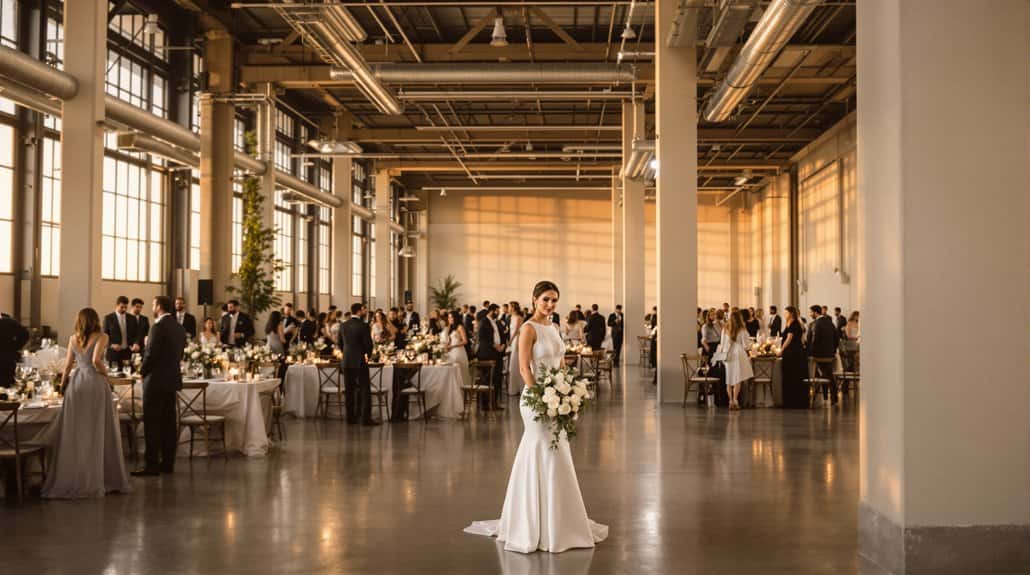
To master warehouse wedding climate control demands equal parts technical knowledge, budget savvy, and guest psychology. Your venue’s industrial charm needn’t come with discomfort’s tax—tactical thinking transforms brick ovens and meat lockers into celebration-ready spaces without draining your newlywed accounts.
- Timing remains your greatest ally—schedule around extreme seasons, select evening hours in summer, and utilize mid-day winter warmth to reduce the thermal mountain you must climb.
- Zone control outperforms brute force—create microclimates where guests actually gather rather than attempting to regulate every cubic foot of your cavernous space.
- Psychological comfort extends beyond mere temperature—tactically placed fans create perceived cooling beyond their actual effect, while warm lighting and strategic drink service manage guest temperature perceptions during critical moments.
Your warehouse wedding isn’t a climate control problem but an opportunity to showcase your resourcefulness—proving that industrial charm and comfortable celebration can coexist without financial catastrophe.