Before booking a historic venue, you’ll need to scrutinize more than its charming façade. Ask about structural load capacity, electrical infrastructure limitations, HVAC effectiveness, and ADA compliance—these ancient beauties often hide modern nightmares beneath their ornate ceilings. Verify preservation restrictions that might prevent hanging décor or using certain equipment, and insist on written confirmation of all promises. Secure detailed permit requirements early; expect 30+ day approval processes. The most picturesque venues often conceal the most operational headaches.
The Beautiful Facade Problem
The historic venue that’s stealing your breath away might be hiding a multitude of operational nightmares behind its Instagram-worthy exterior. What architects call “facade retention”—preserving gorgeous historical fronts while gutting interiors—creates a jarring disconnect between what you see and what you get. Your heritage property questions should probe beyond aesthetic charm into functional reality.
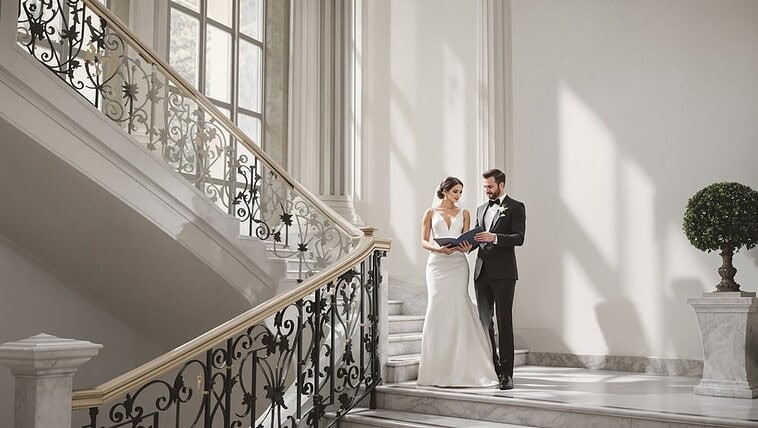
When conducting historic venue due diligence, understand that classical proportions rarely translate to modern interior spaces. That 1890s ballroom with fourteen-foot ceilings? Likely retrofitted with contemporary HVAC systems that drop functional ceiling height by two feet. The grand marble staircase entrance? Beautiful, but utterly insufficient for moving equipment or accommodating mobility-challenged guests. This disconnect exemplifies how form follows function principles are violated in facaded buildings. The need for modern amenities often clashes with the preservation of historical luxury, leading to practical challenges.
The juxtaposition between preserved exterior and reconstructed interior creates inevitable compromises. Your venue might boast authentic Victorian windows—windows that leak cold air and create temperature control nightmares. The architectural quality is incontrovertible, and yet pragmatic concerns lurk behind every ornate column and decorative molding.
Infrastructure Capacity Questions
Infrastructure challenges hide behind every ornate column and gilded ceiling rose in your historic venue. That magnificent 1890s theater you’ve fallen for was designed for gas lamps and acoustic performances—not 21st-century production demands. Electrical capacity likely maxes out at 60% of what your modern event requires; those quaint wall outlets aren’t delivering the clean power your digital equipment desperately needs. Understanding emerging luxury trends may help you find innovative solutions to enhance your event experience.
Structural safety presents another hidden minefield. Those original ceiling beams? Never engineered to support today’s lighting rigs. You’ll need load calculations from a structural engineer who understands historic buildings, not just any contractor with a clipboard and optimism. Always verify the maximum weight capacity for your equipment and performers before finalizing any booking arrangements.
Pay special attention to rigging points—or their absence. Historic venues often restrict drilling into original architecture, forcing creative alternatives. And yet, solutions exist: free-standing truss systems, floor-supported lighting, and wireless technology. The infrastructure shortcomings won’t sink your event, but ignoring them certainly will.
Climate Control Realities
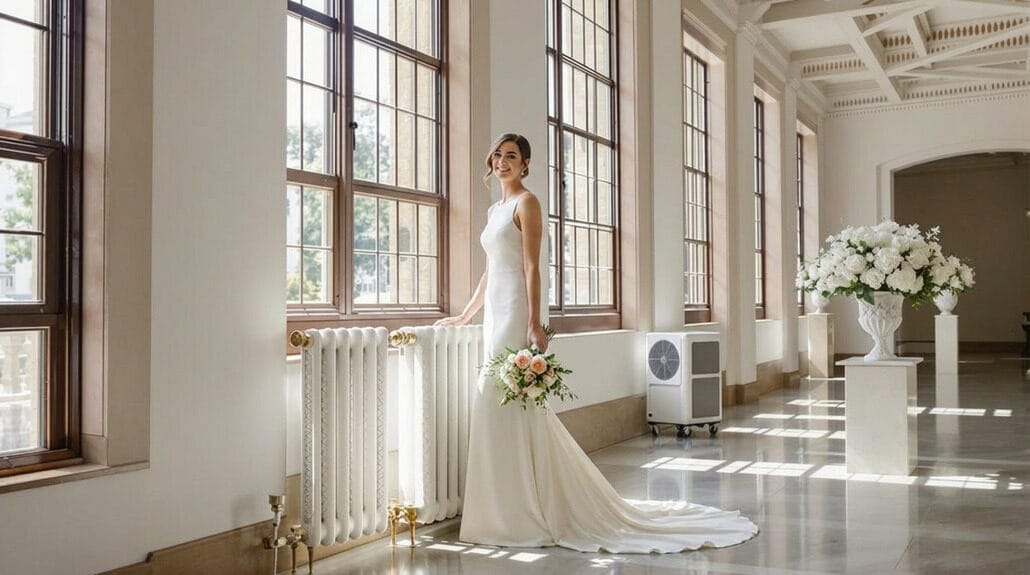
While gazing adoringly at that 1867 ballroom’s soaring ceilings, you’re likely not contemplating the primitive climate control system struggling beneath its ornate plasterwork. And yet, this should top your historic venue checklist—those breathtaking spaces often maintain temperatures reminiscent of their construction era.
When you evaluate historic venue options, understand that stable 68-72°F temperatures with 45-55% humidity might be physically impossible. Many rely on retrofitted ductless mini-splits or VRF systems because traditional HVAC would destroy architectural integrity. Your estate venue vetting must include blunt questions about temperature ranges by season and time of day.
Remember: that ballroom might swelter at 85°F during August weddings or hover at a bracing 62°F during January conferences. The building’s preservation constraints force uncomfortable tradeoffs between guest comfort and historical authenticity. The charm comes with thermal baggage—gorgeous, irreplaceable, and occasionally sweat-inducing thermal baggage. Additionally, understanding quality over quantity in venue selection can help you prioritize spaces that balance elegance with comfort.
Accessibility and ADA Compliance
Many event planners fall in love with a historic venue’s charm before considering its accessibility challenges—and yet, that grand staircase entrance might exclude 26% of Americans with disabilities from attending your event. Contrary to popular belief, historic properties aren’t grandfathered into ADA compliance exemptions. That gorgeous 1880s mansion must still accommodate all guests, despite its age.
When evaluating historic venues, ask these pointed questions:
- Has the venue consulted with a State Historic Preservation Officer to determine which accessibility modifications are required without compromising historic integrity?
- What accessible routes exist from parking areas to at least one public entrance?
- Are there accessible restrooms on the main event level?
The tension between historic preservation and accessibility requirements isn’t insurmountable, but requires candid conversation. Don’t accept vague assurances—request documentation of their ADA compliance strategy. Your responsibility extends beyond aesthetics to ensuring everyone experiences your event’s splendor.
Vendor Access and Load-In Logistics

Hidden behind those Instagram-worthy columns and charming architectural details lurks a vendor’s logistical nightmare—and yet, your event’s success hinges entirely on how well you navigate these challenges. Most historic venues demand documentation weeks in advance—insurance certificates, hold harmless agreements, and security clearances—while imposing rigid arrival windows (typically 3:30-4:00 PM) that cannot be negotiated.
Schedule a site visit immediately after booking. Walk every inch of the load-in route, noting narrow doorways, treacherous staircases, and limited electrical access points. Your vendors will need this intelligence. Remember that most historic spaces prohibit overnight storage and require specialized equipment (soft rubber wheels only, no propane or gas-powered machinery). Power limitations represent your greatest vulnerability; older buildings simply weren’t designed for modern catering equipment or DJ setups. Develop vendor packets detailing these constraints—because in historic venues, beautiful aesthetics and operational functionality exist in constant, delicate tension.
Preservation Society Restrictions
- Modification limitations – Expect strict rules about hanging décor (no nails, often no tape), moving furniture, or bringing in equipment that exceeds electrical capacity
- Capacity enforcement – Historic venues frequently cap attendance at numbers below what the space appears to hold due to structural concerns and emergency egress calculations
- Time constraints – Many preservation societies mandate earlier end times than commercial venues to minimize wear on century-old floors and reduce noise impact on aging structures
These boundaries aren’t arbitrary—they’re battle scars from previous events that threatened the building’s integrity.
Permit and Alcohol Licensing

When does a venue’s permitting process turn from manageable to nightmarish? The moment you overlook critical timelines—30 days for special events permits (100+ guests outdoors), 22 days for Certificate of Appropriateness submissions. Miss these deadlines and you’re facing double fees or outright denial.
Your alcohol licensing needs compound this bureaucratic labyrinth. TABC permits require separate applications, additional fees, and compliance with historic district restrictions—a perfect storm of regulatory scrutiny. You’ll need painstakingly prepared site layouts, insurance documentation, and safety inspection records for everything from electrical connections to food handling.
And yet, financial silver linings exist amid this regulatory gauntlet. Projects with approved COAs qualify for 50% discounts on building permit fees and potential tax exemptions. But these incentives evaporate instantly if you’re slapped with a Stop Work Order for non-compliance—a separate legal offense that can halt your event indefinitely and trigger restoration requirements that will hemorrhage your budget.
Weather Contingencies for Historic Properties
While breathtaking architecture and period details make historic venues irresistible, their weather vulnerability transforms rainclouds from minor inconvenience to existential threat. When you evaluate historic venue options, remember that centuries-old structures weren’t built with modern event contingencies in mind—their charm conceals logistical nightmares waiting to derail your timeline.
Your historic venue checklist must include these non-negotiable weather safeguards:
- Backup space verification – Confirm indoor alternatives accommodate your entire guest count, not just a fraction
- Decision timelines – Establish concrete go/no-go deadlines (7-10 days out minimum) for weather-dependent setups
- Equipment limitations – Verify whether the property permits tent staking or requires concrete weights—a seemingly minor detail that can double your costs
Weather contingencies aren’t merely about rain; they’re about reconciling preservation requirements with guest comfort. And yet, with proper planning, even the most restrictive historic properties can deliver both period authenticity and practical functionality.
Red Flags Specific to Heritage Venues

Despite their photogenic façades and historical gravitas, heritage venues conceal operational hazards that can turn your picture-perfect event into a logistical nightmare. Watch for venues that downplay structural limitations—those narrow Victorian staircases might charm in photos but become mobility nightmares for elderly guests and catering staff hauling equipment up three flights.
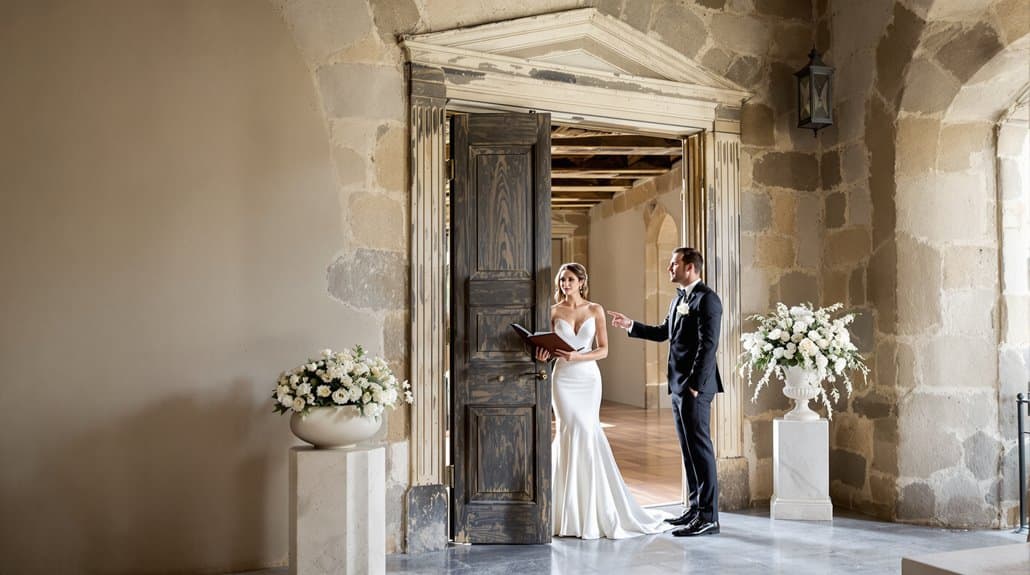
Be skeptical when managers gloss over heritage preservation restrictions. You’ll need explicit details about where you can hang decor, whether nails are forbidden, and if flash photography damages period paintings. And yet, the most telling red flag emerges when discussing restoration requirements—venues requiring “generous contributions” beyond your rental fee to fund ongoing preservation work.
Pay attention to electrical systems dating back to Edison’s era, climate control that struggles during temperature extremes, and sound limitations that might reduce your dream band to acoustic only. Beautiful history comes with beautiful complications—acknowledge them before signing.
Conclusion
Booking a historic venue demands a uniquely calibrated due diligence—your questions must probe beyond the Instagram-worthy architecture to uncover operational realities that will define your event experience. Your historic venue checklist should systematically evaluate both aesthetic charm and functional infrastructure. Behind those breathtaking columns and ornate ceilings often lurk century-old electrical systems and temperamental plumbing that no filter can fix.
- Document everything – Request written confirmation of every promise, from the backup generator to the kitchen facilities you’re permitted to use.
- Visit twice – First for the emotional response, second with your estate venue considerations spreadsheet and critical eye for service entrances, power access points, and load-in paths.
- Trust your instincts – If the venue coordinator can’t answer basic operational questions or dismisses your concerns, reconsider—no amount of architectural splendor compensates for logistical nightmares.
Remember: historic venues offer peerless character—and peerless complexity.