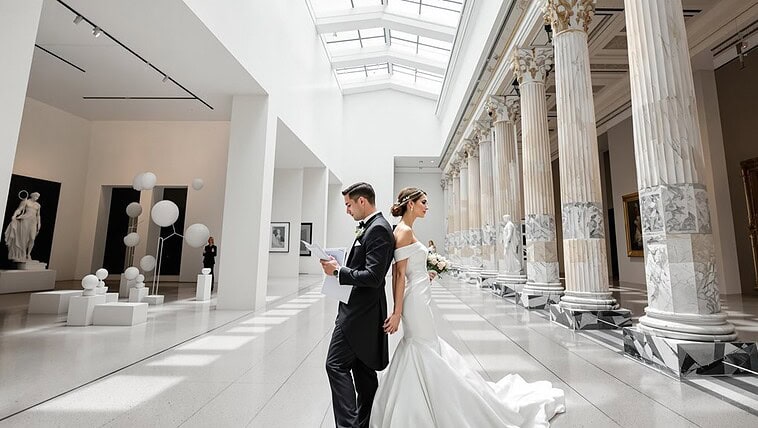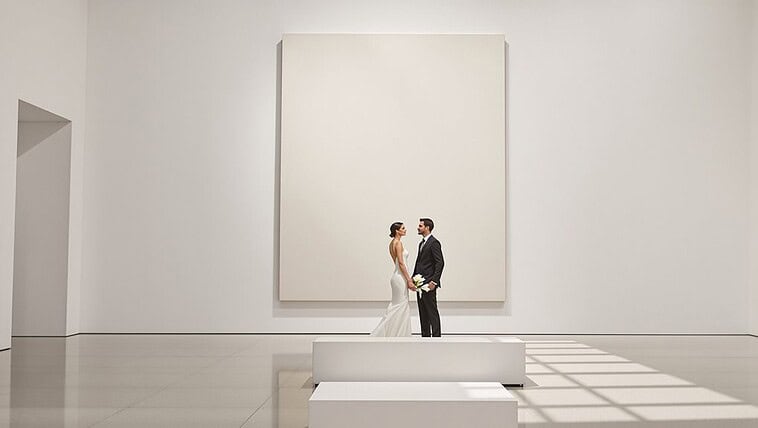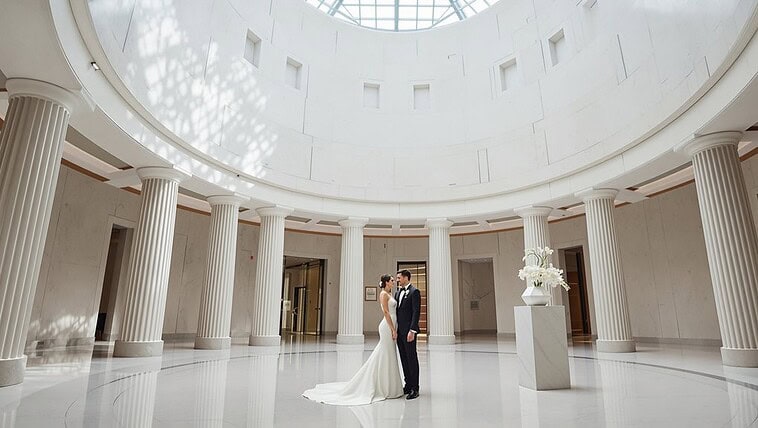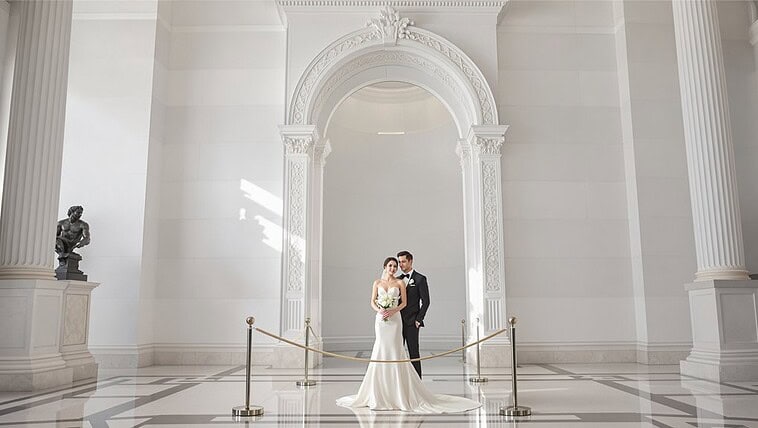
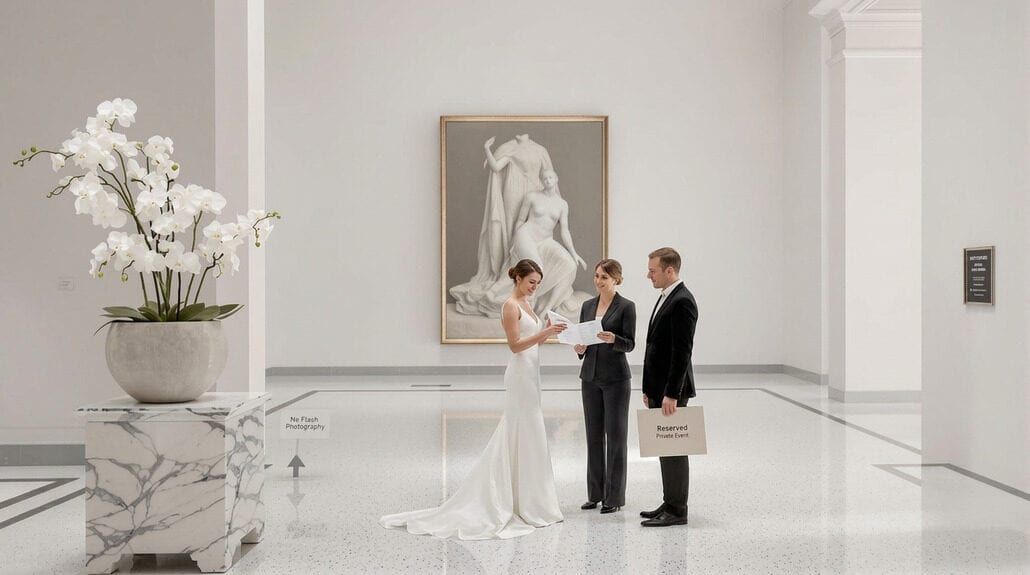
Museum coordinators wish you’d recognize their institutions aren’t wedding venues with artwork. You’re entering preservation sanctuaries with non-negotiable protocols—$1M liability insurance, approved vendor lists, rigid load-in windows (5-9pm), and absolute prohibitions on open flames. They operate on 4-6 month planning horizons, not spontaneous timelines. Their mission is collection protection, not event facilitation. Build relationships through institutional empathy, not demands. The difference between successful events and nightmares lies in these unsexy operational details.
Museums as Institutions First Venues Second
While you might view that grand museum atrium as the perfect event backdrop, museum professionals see it quite differently—a carefully controlled environment where protecting priceless artifacts trumps your cocktail reception’s logistics every time. Collection protection protocols aren’t suggestions; they’re non-negotiable mandates that explain why your DJ can’t set up wherever you’d like, and why those breathtaking exhibition halls close precisely at 10PM. The importance of cultural heritage preservation is central to their mission and operations.
Museum venue restrictions stem from institutional obligations, not arbitrary rules. Your dream of dramatic uplighting? It might conflict with preservation requirements maintaining 40% humidity and 68°F temperatures for centuries-old paintings. Thoughtful space transformation requires working within these institutional constraints rather than fighting against them. And those museum wedding rules requiring vendor certificates and prohibiting open flames? They’re designed to safeguard irreplaceable cultural heritage.
You’re not just booking a venue—you’re entering a partnership with an institution whose primary mission will always be preservation rather than celebration, challenging though that reality might be.
Load-In and Load-Out Window Realities
Despite your grand vision of effortlessly flowing vendors setting up your museum gala, the reality will hit you like a conservator discovering fingerprints on a Rembrandt: museum load-in windows aren’t suggestions—they’re ironclad constraints governed by institutional imperatives.
Planning a museum event without respecting institutional constraints is like handling priceless art with sticky fingers—an unmitigated disaster waiting to happen.
You’ll face non-negotiable four-hour setup windows, typically between 5-9pm after closing, with overtime charges reaching $500/hour. Museum wedding logistics demand military-precision scheduling; your caterer can’t arrive at 3pm if the museum’s open until 5. Period. Understanding the nuances of budget templates can help you navigate these financial challenges effectively.
Museum venue restrictions extend beyond timing—designated loading docks, precise entry points, and vendor sequencing must align perfectly. The prestige and exclusivity associated with these renowned institutions comes with strict protocols that must be followed without exception. You’ll need to coordinate power needs, confirm elevator dimensions (that 8-foot cake stand won’t fit in a 6-foot service elevator), and arrange staging areas.
Museum event requirements include vendor insurance certificates submitted weeks ahead, two-person teams for equipment movement, and strict adherence to predetermined exit routes. Beautiful spaces demand scrupulous planning—embrace these constraints or book elsewhere.
Insurance Certificate Requirements

Why do insurance certificates incite more wedding planning meltdowns than any other museum paperwork? Because they’re bureaucratic landmines disguised as simple formalities—and yet, understanding their specifics will save your deposit.
Most museums require $1,000,000 liability coverage per occurrence, though some accept $500,000 for private events. You’ll need certificates submitted 30 days before your event—no exceptions within museum venue policies. Miss this deadline? Your wedding vanishes, along with your deposit.
The certificate must name additional insureds (the museum, often the city), cover every single hour you occupy the space (including setup and teardown), and arrive in original, signed format. Museum wedding logistics demand these documents follow precise specifications, with coverage spanning from first box unloaded to last chair removed. The requirement for liability coverage reflects the museum’s commitment to quality over quantity, ensuring the preservation of their invaluable collections.
Remember: museum venue restrictions exist to protect priceless collections, not to torture you—though the distinction feels academic when you’re scrambling for compliant documentation three weeks before “I do.”
Vendor Restriction Policies
How carefully have you scrutinized the fine print of your museum’s vendor policies? Most venues maintain ironclad rules about who can—and absolutely cannot—work within their hallowed walls, and for good reason. Cultural institutions protect priceless artifacts through strict vendor qualification and approval processes that won’t bend for your favorite florist, no matter how desperately you plead.
You’ll discover that only pre-approved vendors with demonstrated museum experience and proper insurance coverage make the cut. Your dream caterer? Useless without prior museum venue experience and documented certification. Museum venue restrictions extend beyond personnel to equipment—no fountains, fog machines, helium balloons or confetti, period. And yet, exceptions occasionally materialize for vendors willing to complete applications, attend site visits, and prove substantial experience in similar spaces.
The most overlooked truth: addressing this requirement early prevents the heartbreak of discovering your perfect vendor is fundamentally incompatible with your chosen cultural space.
Security and Art Protection Mandates
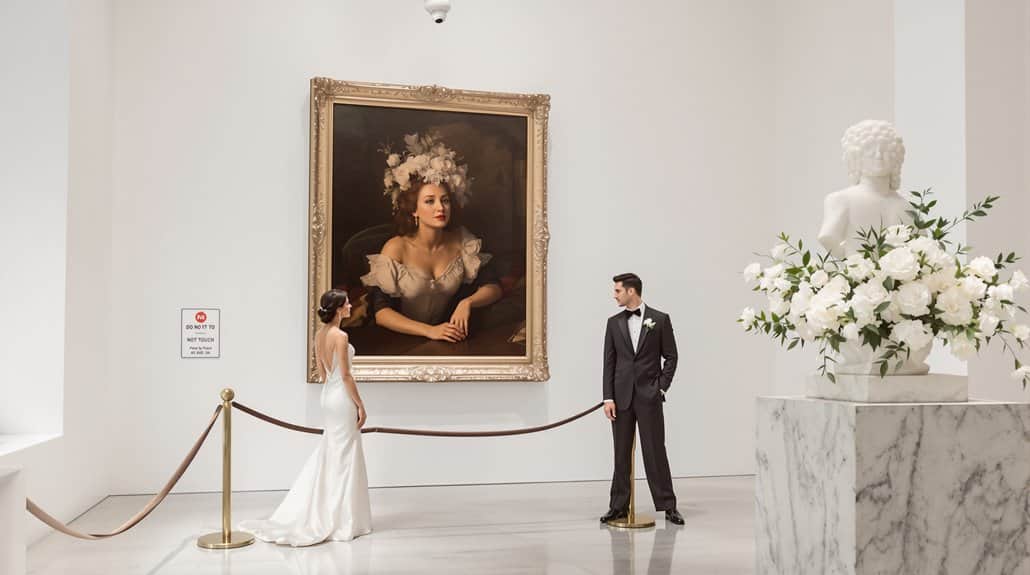
When you’ve fallen in love with a museum’s breathtaking architecture and ambience, you’ll inevitably collide with its most formidable reality: the non-negotiable security protocols protecting priceless cultural treasures.
Your dream museum venue restrictions aren’t arbitrary bureaucracy—they’re preservation imperatives. That wedding arch you’ve envisioned? It can’t obstruct motion sensors or block the required 40-inch barrier around exhibits. Museum wedding limitations include maintaining precise 68-72°F temperatures with 45-55% humidity at all times—even during load-in. Your vendors must navigate electronic security systems that monitor everything from vibrations to touch.
Museum venue policies mandate specially-trained guards present throughout your event, with strictly limited access to certain spaces. Those gorgeous windows you planned to showcase? They’re likely UV-filtered or completely covered to protect collections. Security trumps aesthetics, period. And yet, understanding these constraints early transforms them from deal-breakers into workable parameters for your remarkable cultural celebration.
Acoustic Limitations in Gallery Spaces
Those magnificent echoing gallery spaces that first captivated you will become your event planning nemesis. Hard reflective surfaces—glass artwork protection, polished stone floors, and soaring ceilings—create reverberation times that transform intimate dinner conversation into unintelligible noise soup. Background levels jump 25-36 dB(A) once guests arrive, and every clink of silverware reverberates through interconnected galleries.
Museum venue restrictions often prohibit temporary acoustic treatments that would mitigate these issues. You’re facing spaces designed for contemplative viewing, not amplified speeches or dance music. And yet, proper museum venue policies exist for good reason—permanent acoustic modifications start at $33,000 per room.
When planning art museum wedding logistics, schedule tactical sound checks during actual gallery hours, not empty spaces. Position speakers away from corridors and place conversation areas in smaller alcoves rather than grand halls. Remember: the same architectural features that make museums visually breathtaking create acoustic environments that actively resist your event’s success.
No Open Flame and Fire Code Realities
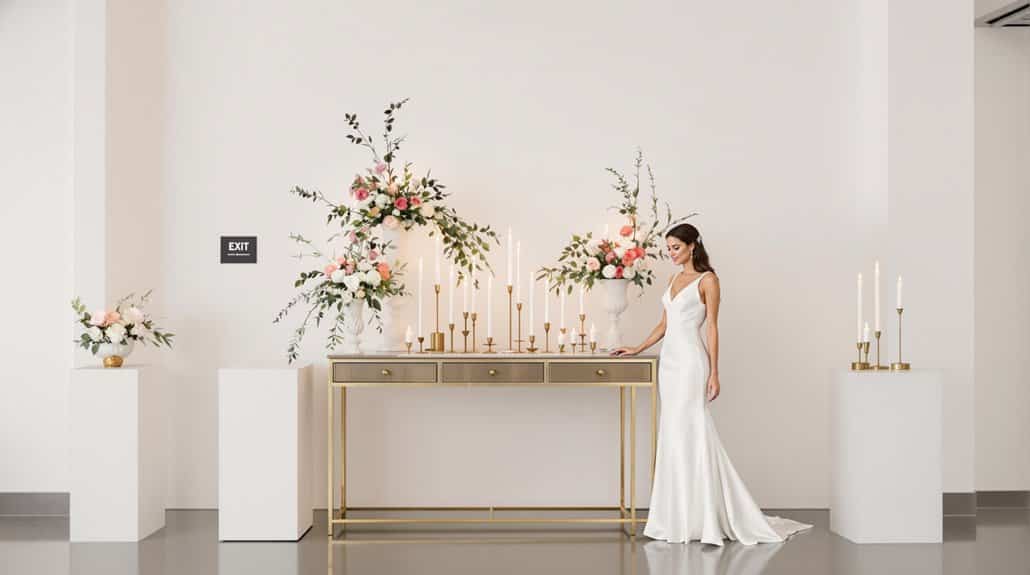
Despite your romantic vision of candlelit tablescapes casting a warm glow across priceless artworks, museum fire codes will ruthlessly extinguish those dreams. When booking museum wedding venues, you’ll encounter non-negotiable fire restrictions that protect irreplaceable collections—and yes, your deposit.
| Prohibited | Required | Cost |
|---|---|---|
| Candles on tables | $210 open flame permit | Per vendor/setup |
| Flammable decorations | Type A-B-C extinguishers | Within 12 feet |
| Smoking anywhere | Trained “Candle Watchers” | Present for 1+ hour after |
Museum venue policies aren’t designed to complicate your event; they’re protecting cultural treasures from catastrophic risk. Each request undergoes case-by-case review, with historic buildings facing particularly stringent museum venue restrictions. Your coordinator isn’t being difficult—they’re navigating complex regulations where a single violation could shut down your event mid-toast. LED alternatives create similar ambiance without the administrative inferno you’d otherwise face.
What to Ask Before Signing Contract
Before your signature transforms that elegant museum brochure into a binding legal document, you’ll need to navigate a labyrinth of contractual details that most venues conveniently gloss over.
Signing that glossy brochure? Prepare to decode contractual fine print that venues strategically downplay.
Scrutinize payment structures—demand clarity on that non-refundable deposit and the full installment schedule (typically thirds). Payment timing matters enormously, with late fees accumulating faster than you’d imagine.
Ask specifically who’ll serve as your primary contact, then get their cell number. Museums operate through hierarchies, and your contract should name actual humans, not departments.
Timeline requirements deserve forensic attention: menu selections (45 days prior), final headcount (6 days before), and setup windows (4+ hours minimum). These aren’t suggestions—they’re financial landmines.
Insurance requirements prove particularly thorny. You’ll need certificates naming the institution as Additional Insured, with coverage spanning the entire exhibition timeline. And yes, they’ll verify your actual attendance numbers—guaranteed minimums aren’t negotiable after deadlines pass.
Working With vs Fighting Restrictions

When you clash with museum regulations, you’ll invariably lose—and yet, within seemingly rigid structures, surprising flexibility exists for those approaching restrictions cooperatively rather than combatively. Museums distinguish official from non-official events—military command functions versus private celebrations—creating cascading implications for fees, access, and approvals.
Instead of battling institutional protocols, cultivate relationships with three key strategies:
- Frame your event as complementary to the museum’s cultural mission—not merely renting square footage
- Accept food/beverage boundaries absolutely—galleries protect priceless artifacts requiring strict separation from potential contaminants
- Propose solutions before problems arise—volunteer detailed configurations for teardown, specify timing needs, and acknowledge security protocols
Understanding key control restrictions, space limitations for smaller ceremonies (under 20 attendees), and operating hours (Tuesday-Saturday, 9am-4pm) demonstrates your institutional literacy. After-hours requests require director approval—a hurdle you’ll clear more easily by proving yourself restriction-savvy, not restriction-resistant.
Conclusion
After maneuvering the labyrinthine world of museum booking protocols, you’ll discover that success hinges not on circumventing institutional barriers but on mastering their peculiar logic. Museums function as cultural guardians first, event spaces second—a distinction that transforms seemingly arbitrary rules into necessary protections.
Remember: museums operate as preservation-focused entities with 4-6 month planning horizons, not spontaneous venues. Your recognition of this fundamental reality—backed by scrupulous documentation, timely communications, and relationship cultivation—separates amateur attempts from professional executions.
The most successful clients approach museums with institutional empathy, understanding that these spaces weren’t designed for events but have adapted to host them. Your preparation demonstrates respect for what these institutions truly are: collections with specific environmental requirements, staffing limitations, and conservation priorities.
Master this perspective shift, and you’ll transform from logistics-fighter to valued partner—exactly what coordinators silently wish every client understood before sending that first inquiry email.