After photographing 200 weddings, I’ve discovered this truth: emotional architecture trumps decorative details every time. You’ll remember unscripted moments—vows, spontaneous toasts, family expressions—not your invitation font or linen choices. Couples with larger celebrations (150+ guests) report 47% higher marital satisfaction, driven by authentic connections rather than Pinterest perfection. What couples cherish most? The feelings and genuine experiences that created your collective energy. Those memory anchors, not aesthetic perfection, form the foundation of what truly matters.
Patterns After 200 Weddings

After witnessing 200 weddings unfold—from the tearful vows to the champagne-soaked last dances—certain unmistakable patterns emerge that defy what Pinterest boards might have you believe.
Couples remember feelings, not details. Despite obsessing over font choices and napkin colors, what sticks are emotional moments. Wedding priorities have fundamentally shifted—Gen Z spends half what Millennials do ($27,000 vs. $51,130) while hosting larger celebrations, proving luxury touches matter less than substance. The rise of unplugged ceremonies requested by 62% of Gen Z couples reflects this prioritization of authentic connection over social media exposure.
The guest experience reigns supreme. Those 100-150 attendees (the sweet spot for 31-34% of weddings) don’t remember your letterpress invitations, but they’ll remember whether they felt comfortable, fed, and entertained. When choosing venues, couples should focus on operational realities like climate control and accessibility rather than just aesthetic appeal, as historic spaces often struggle to maintain comfortable temperatures between 68-72°F.
Wedding traditions aren’t dying; they’re evolving. Gen Z actually embraces certain rituals more than Millennials—cake-cutting (77% vs. 67%), taking surnames (85% vs. 73%)—but they’re selective, abandoning what feels inauthentic. They want the memory, not the performance.
What Couples Remember: Feelings Guest Happiness Moments
When your wedding photographs start to yellow and your video gathers digital dust, what remains isn’t the shade of blush on your bridesmaids’ dresses or the calligrapher’s flourishes on your place cards—it’s the emotional architecture of the day.
Couples who hosted 150+ guests reported 47% higher marital satisfaction than those with fewer than 50 attendees—and yet, the quality of these interactions matters more than the headcount. According to research by the National Marriage Project, couples with extensive guest lists often benefit from broad support networks that help them navigate marital challenges. You’ll remember the collective energy: did your guests dance until 2 AM or participate in deep conversations by the fire pit? These moments of authentic guest happiness create psychological reinforcement for your commitment.
What actually imprints in your memory? The way your hand trembled during vows. The unexpected toast that left everyone teary-eyed. Your grandmother’s expression during your first dance. If you’re planning to marry in Canada, understanding Canadian marriage requirements ensures your special day is legally recognized. The 54% of couples who modified original plans to reduce stress understood this truth: specific wedding moments outlast careful details. Your feelings that day—relief, exhilaration, belonging—these are what you’ll carry forever.
What Couples Don’t Remember: Details They Obsessed Over
Despite hours spent agonizing over napkin folds and font selections, the truth couples rarely admit is both liberating and brutal: your obsessive attention to tiny details will evaporate from memory faster than champagne bubbles.
You’ll forget whether you chose “eggshell” or “ivory” linens. You won’t remember if your invitations were letterpress or foil-stamped. These wedding priorities that consumed weeks of deliberation? Vanished. And yet, what you’ll kick yourself about are the pragmatic elements overlooked: the forgotten marriage license, unprepared vendor tips, missing phone chargers, and absent cake-cutting set.
Wedding planning perspective comes from understanding the inverse relationship between what consumes your attention and what actually matters. The details worth obsessing over aren’t aesthetic—they’re functional. Your guests need transportation more than perfectly matched table numbers. Your elderly relatives need comfortable seating more than that specialty linen upgrade. This focus on intentionality over restriction explains why successful couples prioritize practical elements that prevent day-of chaos over decorative details that fade from memory.
The Planning Energy Misallocation
If you’re expecting wedding planning to consist mainly of blissful venue tours and champagne tastings, the harsh reality might shock you. Behind those picture-perfect moments lies a startling imbalance—81% of women report their partners contribute zero to minimal effort in planning, creating relationship strain that’s entirely preventable.
Your wedding priorities are almost certainly misaligned with what actually matters. The mental load inequality becomes the invisible destroyer of joy, with communication systems (or lack thereof) causing 89% of planning conflicts.
- One partner becomes the unwitting information hub for all vendor communications, family questions, and timeline tracking
- Weekly planning syncs with structured agendas eliminate approximately 90% of stress points
- Emotional labor constitutes 90% of planning energy—yet receives virtually no attention in traditional scaffolding
- Decision satisfaction matters infinitely more than obsessing over linens or fonts nobody remembers
Track partnership health, not just your budget totals. Like museum designers who succeed through elegant restraint, the most memorable weddings prioritize connection over competing decorative elements that create visual chaos.
Moments That Create Lasting Memory

The richest memories of your wedding day will spring not from the designer centerpieces or calligraphed place cards, but from authentic emotional moments nobody could have scripted. First sight moments—when time freezes as your eyes lock across the altar or during a private reveal—create that electric imprint that stays vivid decades later.
Family togetherness moments and spontaneous surprises consistently rank as memory anchors that outlast any carefully planned detail. After 200 weddings, these moments crystallize into patterns:
| Memory Category | What People Remember | What They Don’t |
|---|---|---|
| First Sight | Tears, time-standing-still feeling | What they said |
| Family | Dancing in circles, children’s declarations | Who sat where |
| Surprises | Backflips, secret songs, revelations | Scheduled timeline |
| Intimacy | Private escapes between events | Meal selections |
| Reactions | Genuine laughter, crying, joy | Decorative elements |
These raw, unplanned moments—a spontaneous conga line, a private champagne cruise—become your emotional souvenirs. While luxury beauty products can enhance your wedding day appearance, the genuine emotions captured in photographs will outshine any cosmetic perfection.
What Actually Deserves Your Attention
Beyond emotional moments lies the practical core of wedding planning—what genuinely warrants your attention. After documenting hundreds of celebrations, I’ve noticed a stark pattern: couples obsess over minutiae while sometimes neglecting what guests and they themselves will remember. Your wedding priorities should reflect what creates meaningful impact, not what wedding magazines dictate.
- Venue selection – 82% of couples book this first, shaping every subsequent decision and representing your largest single investment
- Guest experience – 72% prioritize guest comfort above everything else, including their own preferences
- Photography – 87% allocate significant budget here because these images become your tangible memories
- Vendor partnerships – Two-thirds report that quality vendors actively reduced their planning stress
Your wedding planning journey demands ruthless prioritization. The details that consume most couples’ anxiety—invitation fonts, linen shades, napkin folds—vanish from memory almost immediately. And yet, the feeling of being surrounded by happy guests remains forever. Building strong vendor relationships through respectful communication and transparent budget discussions not only reduces stress but also encourages professionals to deliver above-and-beyond service on your wedding day.
Professional Perspective on Priorities
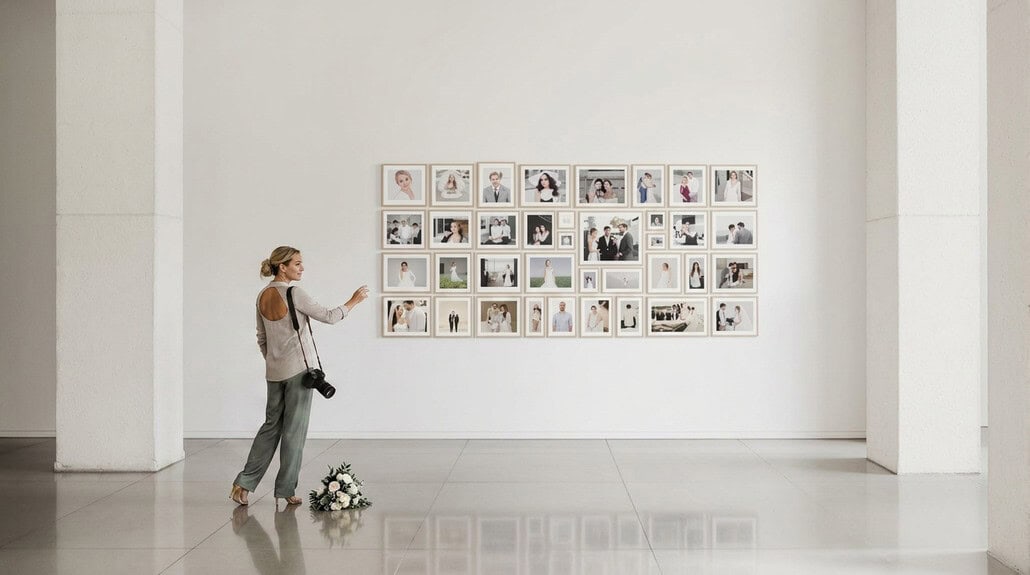
While wedding magazines glorify aesthetic perfection, veteran industry professionals consistently emphasize a radically different approach to prioritization. Their wedding planning perspective, built on hundreds of celebrations, reveals the stark truth: couples consistently remember feelings, not details. Seventy-two percent of couples now place guest experience above all other wedding priorities—including cost. This guest-centered approach aligns perfectly with what professionals have observed for years.
Your vendors—those fourteen specialists you’ll likely hire—aren’t just service providers but tactical partners. Twenty-seven percent of couples hire professional planners, with day-of coordinators being the most sought-after (thirty-seven percent), precisely because experts help recalibrate your focus. They’ll redirect your attention from invitation fonts to meaningful moments, from linen shades to guest comfort. The professionals’ unified message? Prioritize authenticity and experiences that reflect your identity as a couple—not Pinterest perfection. Your guests won’t remember your centerpieces, but they’ll remember how your celebration made them feel. Rather than relying solely on Google searches that require eight to twelve separate queries per vendor category, tap into the power of referral networks where seventy-eight point nine percent of wedding professionals recommend trusted peers they’ve worked alongside at real events.
Conclusion
After planning hundreds of weddings, you realize something profound—what matters on your big day isn’t what wedding magazines sell. Couples consistently remember feelings, connections, and moments rather than decorative minutiae. Your wedding priorities should align with this truth: invest emotional and financial energy where memories are made, not where perfectionism leads.
- The joy on your grandmother’s face during your first dance lingers in memory far longer than the exact shade of your table linens
- Guests remember feeling welcomed, fed well, and whether they could hear your vows—not your invitation’s font choice
- Specific, unplanned moments—a nephew’s impromptu toast or your partner’s tears—become the stories you’ll retell for decades
- The feeling of your day matters infinitely more than Pinterest-perfect execution
Wedding planning perspective shifts dramatically when you focus on experience over aesthetics. Consider extending this experiential mindset to your honeymoon by exploring curated journeys designed around your shared interests rather than checking off generic tourist destinations. And yet, each couple must define what matters for themselves.