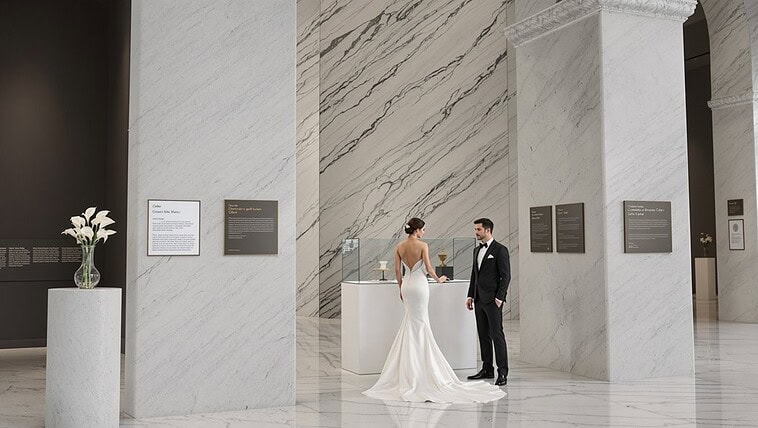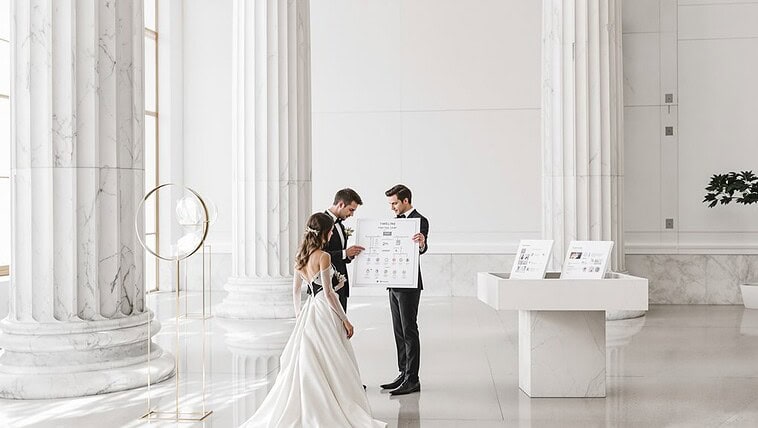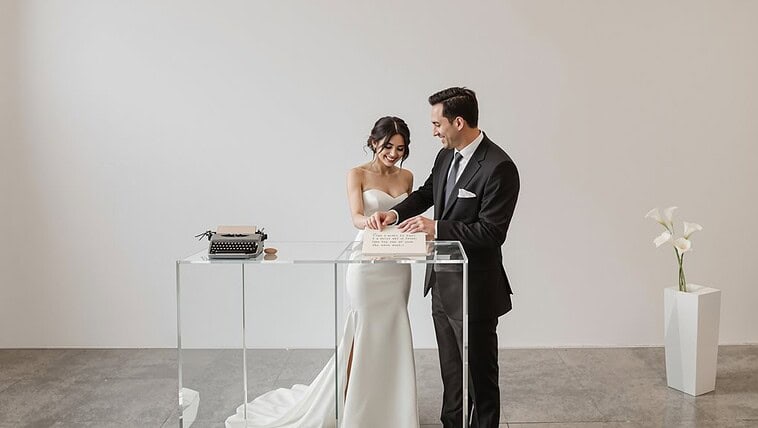

When you choose a museum wedding, you’re broadcasting cultural capital that transcends mere aesthetics. You’re signaling membership in a demographic that values intellectual involvement—78% of museum members hold at least a bachelor’s degree. This venue choice prioritizes cultural significance (valued at £5+ per visit) over conventional opulence, positioning you within a specific socioeconomic class that appreciates arts and education. It’s luxury redefined: gallery walls instead of gilded ballrooms, masterpieces rather than Swarovski chandeliers. The deeper symbolism awaits beyond the marble halls.
Cultural Capital as Concept – Essay opening
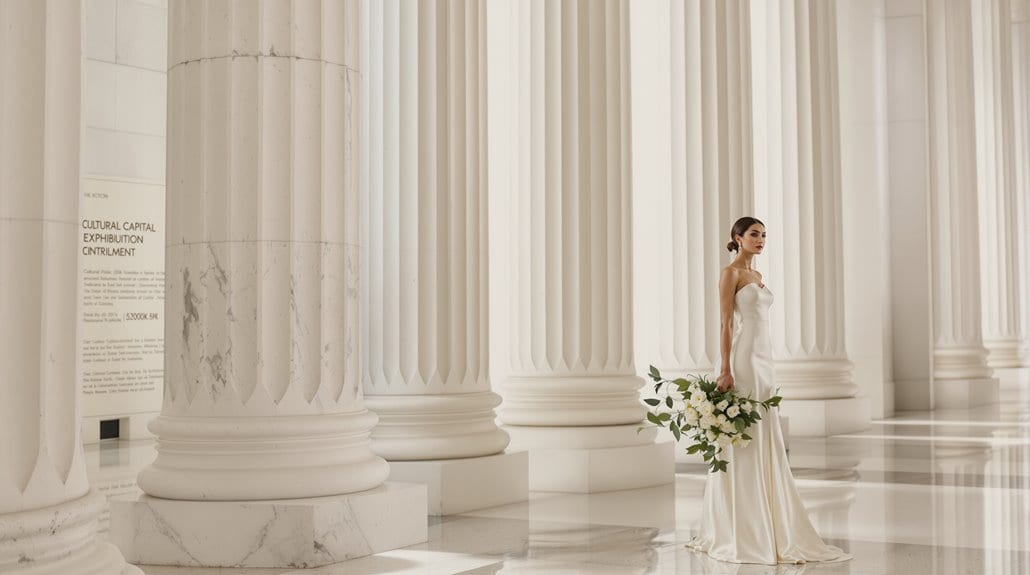
When Pierre Bourdieu introduced the concept of cultural capital in the 1970s, he wasn’t just adding another dry sociological term to academic discourse—he was naming an invisible force that shapes our lives daily. You’ve felt it working, even if you’ve never named it: that moment when someone drops a literary reference you don’t catch, or when you hesitate before choosing which fork to use at a formal dinner. Cultural capital is deeply intertwined with one’s habitus and field, influencing how cultural resources are recognized and legitimized in different social contexts.
Cultural capital operates in three distinct forms: embodied (your internalized knowledge and behaviors), institutionalized (your formal credentials), and objectified (the cultural goods you possess). It’s the currency that determines your place in society beyond mere dollars—and yet it’s rarely discussed outside academia. Your choice of wedding venue signals far more than aesthetic preference; it telegraphs your values, education level, and social positioning. Museums, with their academic associations and cultural gravitas, offer a particularly potent statement. Like the curated world of luxury beauty products, museums represent refined taste and access to exclusive cultural experiences that distinguish social classes.
What Museum Choice Signals
Unlike traditional venue selections that prioritize convenience or family tradition, your decision to host a wedding in a museum broadcasts a constellation of values to your guests before they even RSVP.
When you choose a museum wedding, you signal cultural sophistication that transcends the standard banquet hall experience. You’re not just renting space—you’re aligning yourself with intellectual curiosity and aesthetic discernment. And yet, this choice reveals something deeper about your priorities: that you value substance over spectacle, history over fleeting trends. Recent studies demonstrate that people value the cultural significance of museums at over £5 per visit, quantifying the premium associated with these distinctive venues.
Museum weddings signal educational values, too. Your celebration becomes intertwined with cultural preservation, suggesting you’re the type who appreciates context, narrative, and meaning. Museums have long served as repositories of cultural history, documenting the evolution of human traditions and milestones across generations. But there’s a captivating contradiction here—museum weddings paradoxically represent both fiscal restraint and luxury simultaneously. You’ve rejected the conventional wedding-industrial complex trappings, yet embraced a different type of exclusivity—one based on cultural capital rather than mere opulence.
Educational Sophistication vs Traditional Luxury
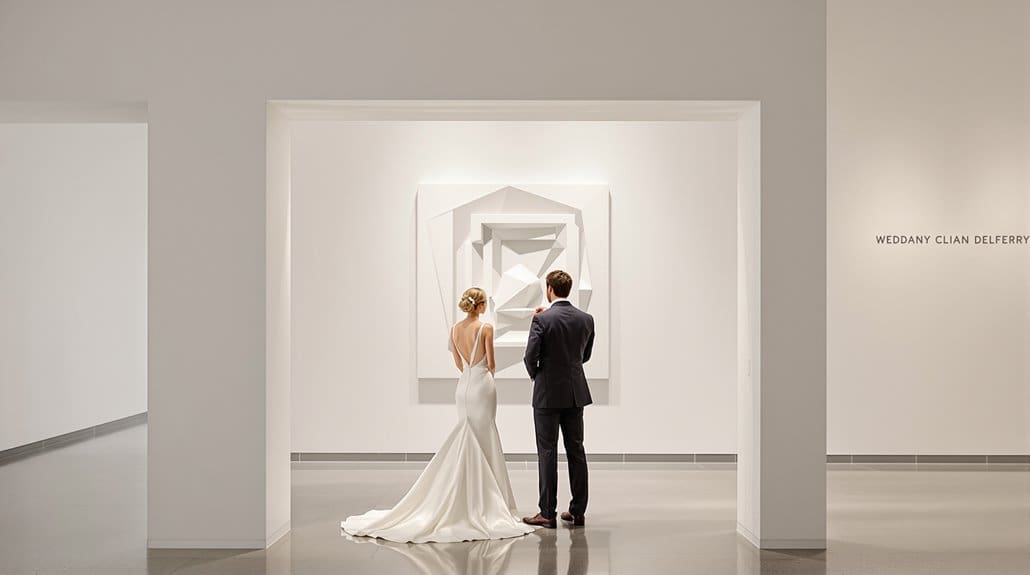
The choice between educational sophistication and traditional luxury represents one of the most revealing tensions in modern wedding aesthetics. When you opt for a museum wedding, you’re explicitly prioritizing cultural meaning over conventional opulence—a distinction that speaks volumes. You’re rejecting the standardized wedding industrial complex in favor of something that carries intellectual weight.
| Signaling Element | Museum Wedding | Traditional Luxury Venue |
|---|---|---|
| Primary Value | Intellectual capital | Financial capital |
| Guest Experience | Cultural immersion | Comfort and pampering |
| Photos/Backdrop | Artistic significance | Polished elegance |
| Social Message | “We value knowledge” | “We value tradition” |
This choice isn’t merely aesthetic but philosophical. You’re communicating that you’d rather surround yourselves with artifacts of human achievement than with Swarovski crystal chandeliers. Museums themselves often maintain special collections that rival the finest cultural institutions, offering couples access to carefully curated spaces that few traditional venues can match. It’s a subtle declaration that educational sophistication—the kind that requires thoughtful involve—trumps the passive consumption of luxury. And yet, museums themselves represent a particular kind of elite space.
Class and Cultural Positioning
Choosing a museum wedding undeniably positions you within a specific socioeconomic and cultural structure, whether you consciously intend it or not. When you select a gallery over a hotel ballroom, you’re making a declaration about your relationship to cultural institutions—signaling membership in a demographic that values intellectual involvement alongside celebration.
Museum wedding cultural meaning extends beyond aesthetics. It’s a choice that telegraphs educational attainment (78% of museum members hold at least a bachelor’s degree), alignment with arts patronage, and comfort maneuvering highbrow spaces. And yet, this positioning isn’t merely elitist performance—it’s often a rejection of conventional wedding spending hierarchies, prioritizing architectural significance and cultural context over traditional luxury markers.
You’re effectively saying: “We appreciate history, art, science.” This distinction matters. The museum venue becomes both backdrop and statement, simultaneously celebrating personal commitment while contextualizing it within broader cultural narratives—a refined negotiation of public and private meaning. Understanding these relationship dynamics through psychological research can help couples navigate the social and cultural expectations that accompany such venue choices.
Why Educated Professionals Choose Institutions
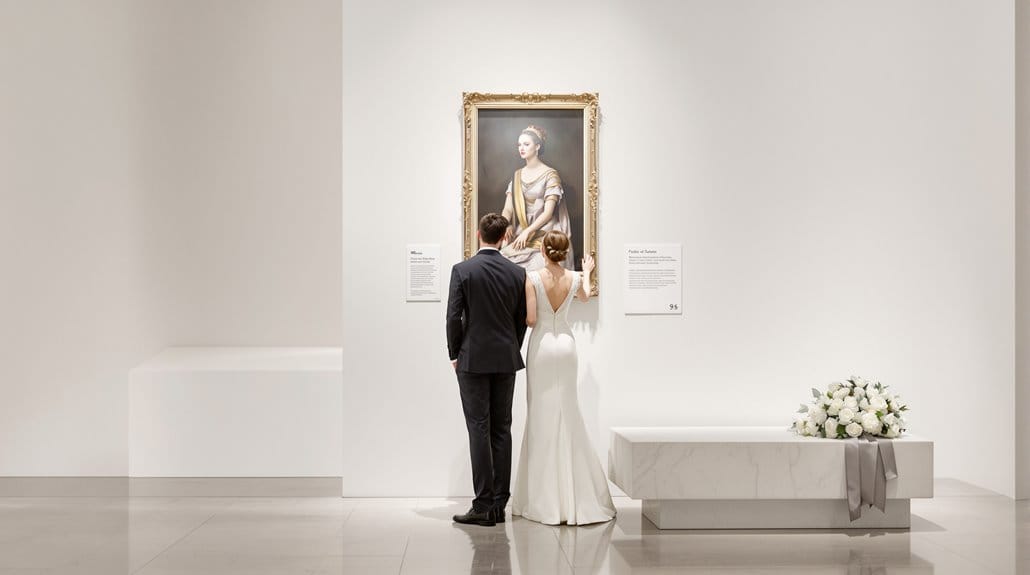
What drives highly educated professionals toward institutional settings for their nuptials? The transformation from traditional venues to cultural institutions reflects a deeper shift in how we communicate our values through celebration spaces. Museum weddings signal cultural meaning beyond mere aesthetic preference—they’re declarations of intellectual alignment and priorities.
When you select an institutional venue, you’re making three distinct statements:
- Cultural sophistication over conventional luxury – trading predictable opulence for architectural significance and artistic surroundings
- Educational values as relationship foundation – positioning your partnership within frameworks of knowledge and historical continuity
- Community alignment with cultural institutions – demonstrating support for organizations that preserve collective heritage
You’re not just booking a pretty space—you’re affiliating with what that institution represents. Understanding that museums are preservation entities first and celebration venues second reveals why these spaces carry such symbolic weight for couples who value cultural stewardship. And yet, this choice isn’t purely intellectual posturing; it’s a genuine expression of identity for those who’ve built lives around educational pursuits and cultural involvement. The museum wedding becomes autobiography, not performance.
Museum vs Country Club: Different Luxury
When luxury diverges along two distinct pathways, museum weddings and country club celebrations reveal fundamentally different value systems beneath their premium price points. Your museum venue choice broadcasts intellectual capital rather than just financial means—you’re paying for cultural significance, not just opulence.
Consider the numbers: museums host just 3% of UK weddings compared to country clubs’ 6%, yet both command premium positioning. The difference? Museum wedding class signals prioritize education and artistic sophistication over traditional luxury markers. You’re inviting guests to experience installations worth millions during cocktail hour instead of offering them a round of golf.
At $11,684 average in California (ranging from $1,616 to a staggering $40,000), museum venues aren’t necessarily cheaper than country clubs, but they transform your celebration from mere entertainment to cultural experience. You’re not just hosting a party; you’re curating an intellectual event where marble staircases and priceless art become extensions of your personal taste. Iconic venues like the Solomon R. Guggenheim Museum offer private event and wedding rentals that allow couples to celebrate surrounded by architectural masterpieces and world-renowned art collections.
Conclusion
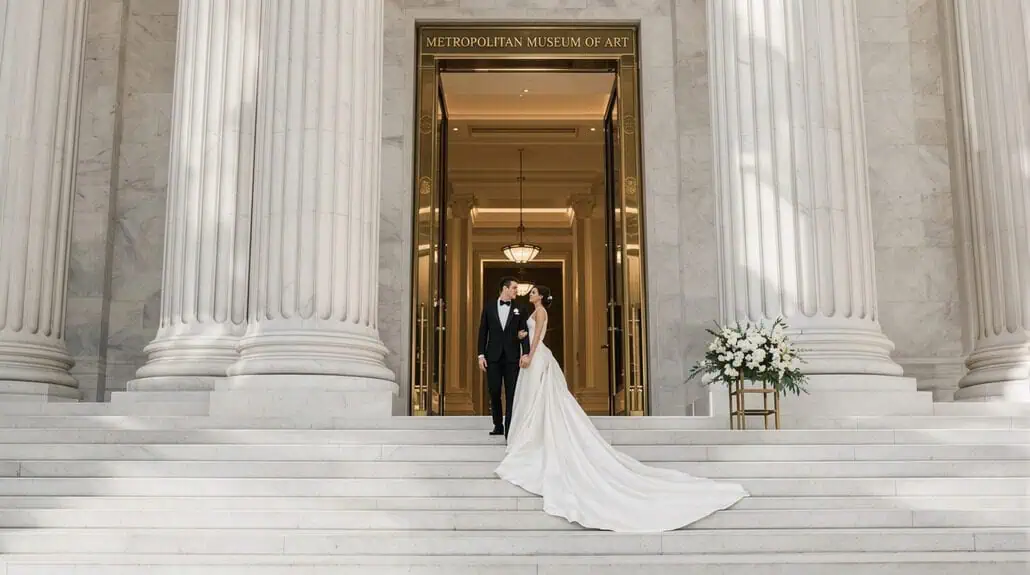
As you’ve journeyed through the cultural terrains of wedding venue choices, museum celebrations emerge not merely as aesthetic preferences but as profound statements of identity and values. When you select a museum for your wedding, you’re communicating a complex constellation of cultural meaning—showcasing priorities that value intellectual curiosity over conventional opulence, heritage over trendiness.
- Cultural signaling – Your museum wedding demonstrates refined taste that privileges educational institutions and artistic patronage
- Value alignment – By choosing these spaces, you’re publicly associating your union with preservation of knowledge and creative expression
- Identity formation – The museum wedding represents a declaration of who you are as a couple: thoughtful consumers of culture rather than passive participants in wedding traditions
The museum wedding represents a particularly modern form of luxury—one that trades gilded ballrooms for gallery walls, champagne fountains for champagne toasts amid cultural treasures. Prestigious institutions like the Metropolitan Museum of Art offer private event rentals that transform their galleries into wedding venues where artistic heritage becomes the backdrop for personal celebration. And yet, the choice remains deeply personal, reflecting authentic values rather than mere status-seeking.