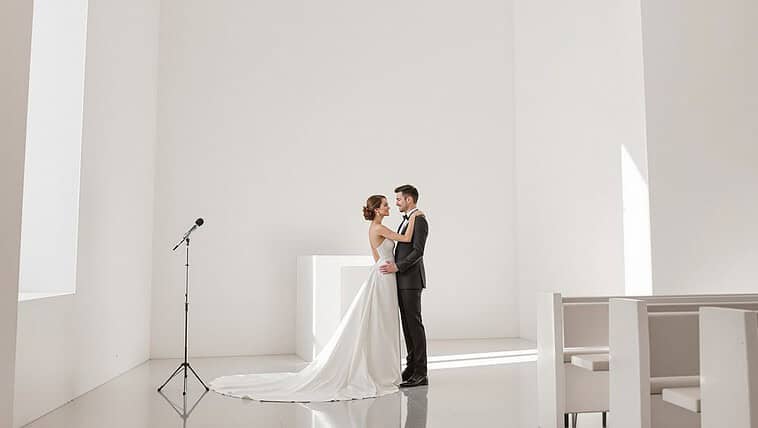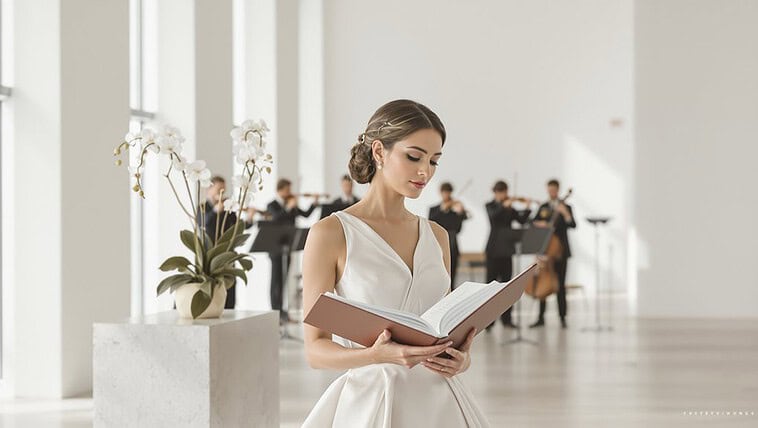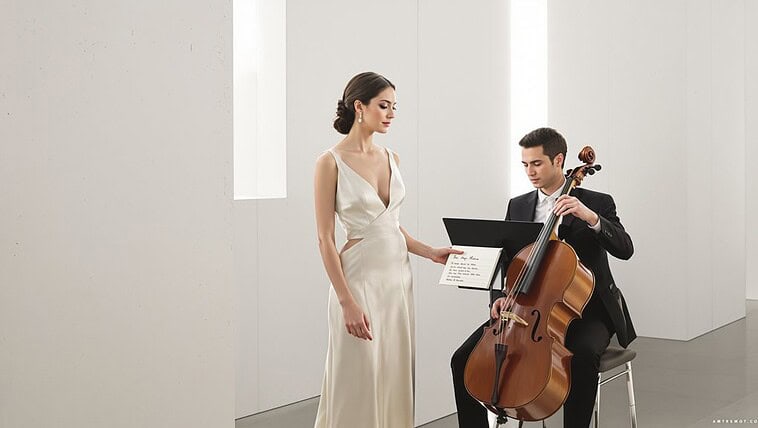
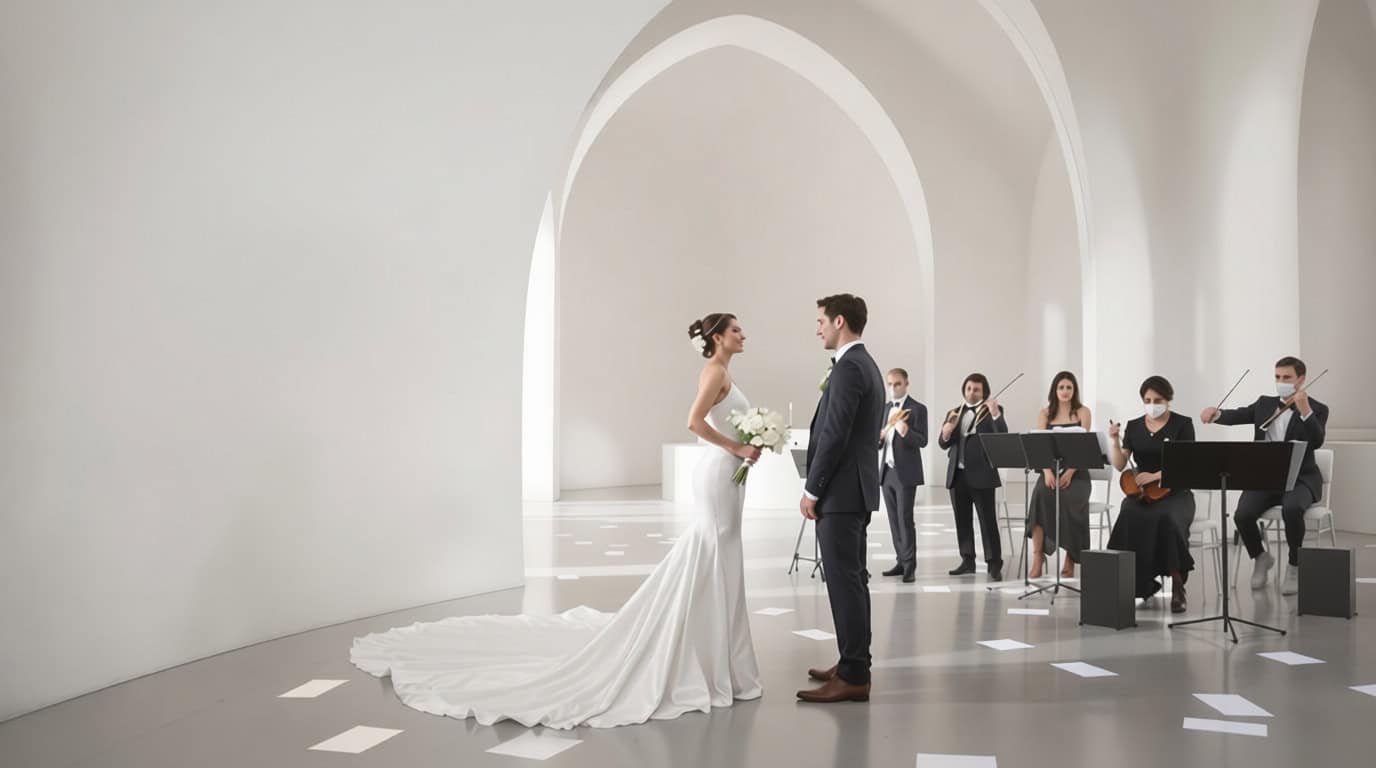
Your ceremony music should serve the emotional experience happening in real time, not future video playback. Live musicians respond to spontaneous moments—tears, delays, changing walking speeds—creating authentic emotional connections that recordings simply cannot replicate. The venue’s unique acoustics improve live sound in ways that get flattened in videos. While 75% of couples prioritize guest experience, many still choose music based on recording potential. The difference? Transcendent moments that transform your ceremony from watched to felt.
The Recording Priority Problem – Essay opening
When newly engaged couples sit down to plan their wedding ceremony soundtrack, they frequently imagine how that perfect processional will sound years later in their highlight video—and therein lies the fundamental mistake.
You’re designing an audio experience that primarily exists for fifty to ninety minutes of real-time, in-person emotional connection, not for the three-to-seven-minute montage that might feature snippets of it. This recording-first mentality creates a dangerous hierarchy of priorities, placing future documentation above present experience. Wedding venues—each with their own acoustic fingerprints, from cathedral echoes to garden wind interference—demand music choices tailored for that specific environment. Each moment of your ceremony requires careful song selection to convey specific emotions that resonate authentically in the space, something a recording simply cannot capture. Consider that venues with built-in magnificence like marble staircases or Guastavino tile arches naturally enhance acoustic properties, making live sound far more impactful than any recording could preserve.
And yet, the seduction of posterity remains powerful. You dream of that cinematic moment when your vows play over perfectly balanced background melodies. But remember: videographers can add post-production music that sounds flawless, while your actual guests can’t edit out sound failures they experience in real time.
Music Serves In-Person Moment
Despite what wedding highlight reels might suggest, ceremony music fundamentally exists as a real-time emotional enhancer for you and your gathered loved ones—not as soundtrack fodder for future viewing.
The live music experience creates something videos can never capture: musicians adjusting tempos when you’re overcome with emotion, extending interludes when your father needs that extra moment to compose himself, reading the room when your processional feels rushed. They’ll subtly elevate the collective energy during your recessional, transforming nervousness into jubilation through musical responsiveness alone. The physiological response to these musical transitions can dramatically influence your heart rate and respiration, creating a naturally flowing emotional journey throughout your ceremony.
Your memories form differently through live performance. The violinist who caught your grandmother’s eye and played her favorite melody just a touch louder? That creates neural connections that strengthen over decades—not flatten with repeated viewings. The quartet that effortlessly filled an awkward ten-minute delay when your officiant got stuck in traffic? Invisible in your video, yet vital to your lived experience. These micro-moments of human responsiveness build emotional connections that persist far beyond any recorded version could achieve.
Acoustic Experience in Space
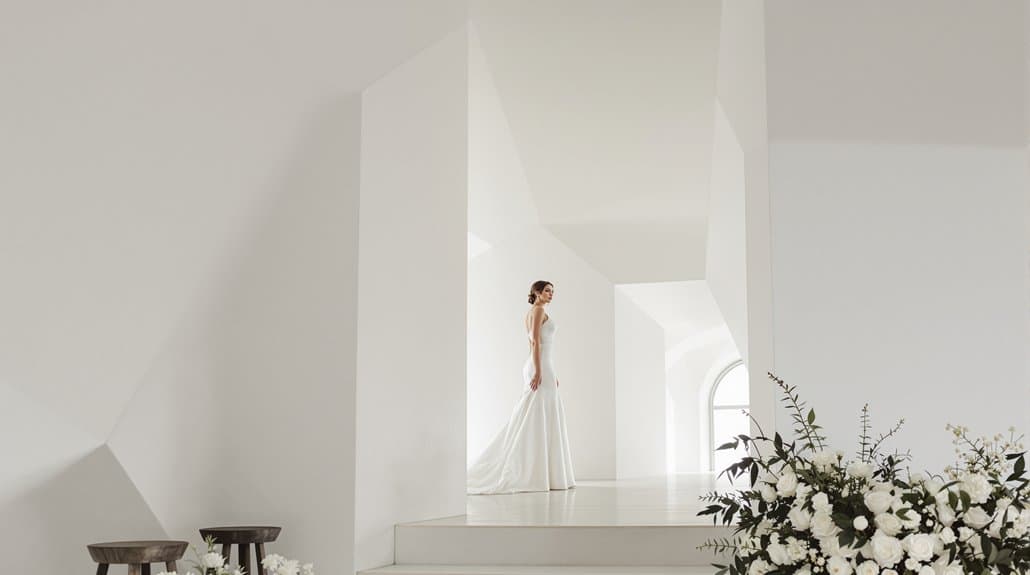
The physical space where your ceremony unfolds shapes your music’s impact in ways you’ve likely never considered. Churches reverberate differently than garden pavilions; ballrooms intensify bass notes unlike beachfront setups. Your venue’s unique acoustic fingerprint transforms the live music experience—sometimes drastically. A string quartet that sounds heavenly during rehearsal might drown in echo during the actual ceremony.
Consider this: NASA’s spacecraft testing requires precision acoustic measurement within 2-millimeter accuracy, with specialized equipment handling 146-decibel environments. Your venue deserves at least basic consideration. Will your soloist compete with air conditioning systems? Can guests in back rows actually hear vows exchanged?
Smart couples walk their space before deciding instrumentation. They test different positions for musicians, sometimes discovering that counterintuitive placements yield superior results. Just as you might explore registry essentials for your home planning, acoustic planning deserves similar attention to detail. Your ceremony deserves this attention—not for video perfection, but for the authentic, unrepeatable moment you and your guests will experience together.
Live Moment vs Video Playback
Many couples obsess over how their ceremony music will translate to wedding videos, yet this fundamentally misses what makes ceremonial music groundbreaking. The in-person experience of live music creates irreplaceable moments that video simply cannot capture—the cellist who extends that final note until your grandmother reaches her seat, the quartet that senses your nervousness and slows the tempo accordingly.
Your video captures one fixed interpretation, but live music responds to your ceremony’s unique rhythm. When your flower girl freezes, musicians effortlessly repeat phrases. When emotions overwhelm, they subtly intensify their playing. These nuances matter tremendously.
Consider this: video preserves an echo of your day, but the ceremony itself deserves the authentic, responsive presence that only live performers provide. While recordings deliver consistency, they sacrifice the very thing that makes ceremonial moments transcendent—human connection, adaptability, and the beautiful imperfections that make your ceremony yours alone. Just as photographers must master managing low-light scenarios without overexposing subjects, videographers face similar technical constraints that can never replicate the full sensory experience of live ceremonial music.
Prioritizing Guest Experience Over Recording
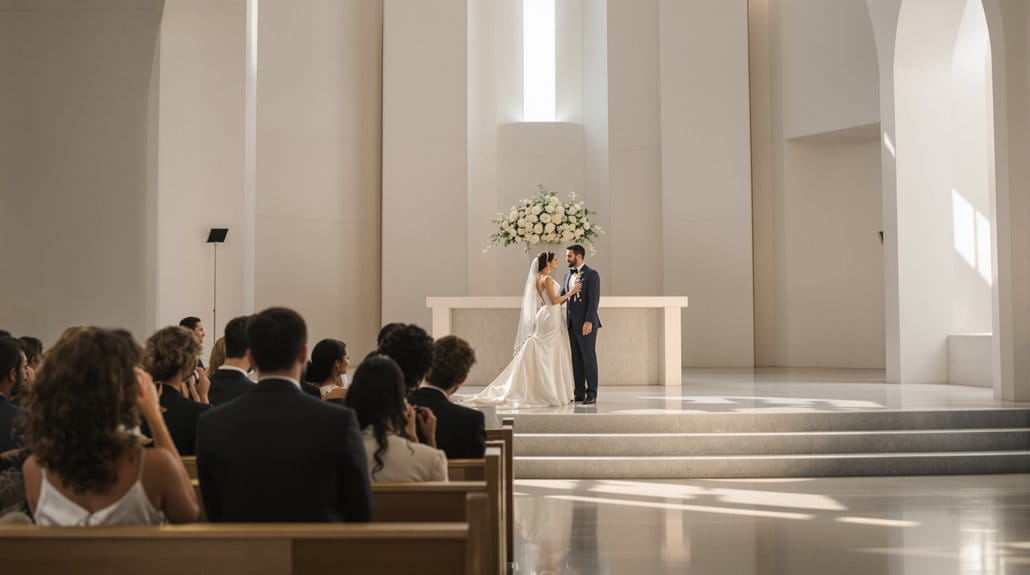
While video captures a singular, fixed moment, your guests experience the wedding through all their senses—and that’s what they’ll remember. A staggering 81% of reception guests cite entertainment as their most memorable takeaway, not your perfectly curated soundtrack for video.
The live music experience transforms your ceremony into something guests physically feel—sound vibrations activating their parasympathetic nervous system, easing anxiety, and creating genuine connection. Professional musicians read the room, adjusting tempos to match your walking pace or slowing things down when emotional moments need space to breathe. They’re not performing for your videographer’s microphone.
Consider this: 75% of couples planning weddings this year rank guest experience as their top priority. And yet, many still choose ceremony music based on how it might sound in playback. Your guests deserve better than soundtrack-thinking—they deserve the warmth, spontaneity and collective experience that only happens in real-time. Whether you’re planning a destination wedding in California wine country or an intimate backyard celebration, live musicians create an irreplaceable atmosphere that recorded music simply cannot match.
Examples: Music Choices for Presence
When selecting music for presence rather than perfection, you’re crafting emotional architecture that guests physically inhabit. Consider string quartets for ceremonies—their ability to swell during vow exchanges creates goosebumps impossible to replicate through speakers. A skilled cellist can hold a single note that makes time stand still.
For processionals, choose pieces with natural crescendos that build as the wedding party approaches—musicians can adjust tempo in real-time to match walking speeds (something recorded tracks simply cannot do). Your recessional deserves triumphant complexity: perhaps classical pieces that transition smoothly into modern arrangements.
The live music experience transcends mere sound. It’s about synchronicity—watching musicians respond to a tearful moment with subtle dynamic shifts, or extending a prelude when your flower girl needs an extra minute. These aren’t imperfections; they’re the authentic markers of your day. Perfect recordings capture notes. Live music captures life. While photographs freeze these musical moments visually, videography preserves the sound and motion together, allowing you to relive how the music swelled precisely as you walked down the aisle or how guests quieted when the first notes began.
Conclusion
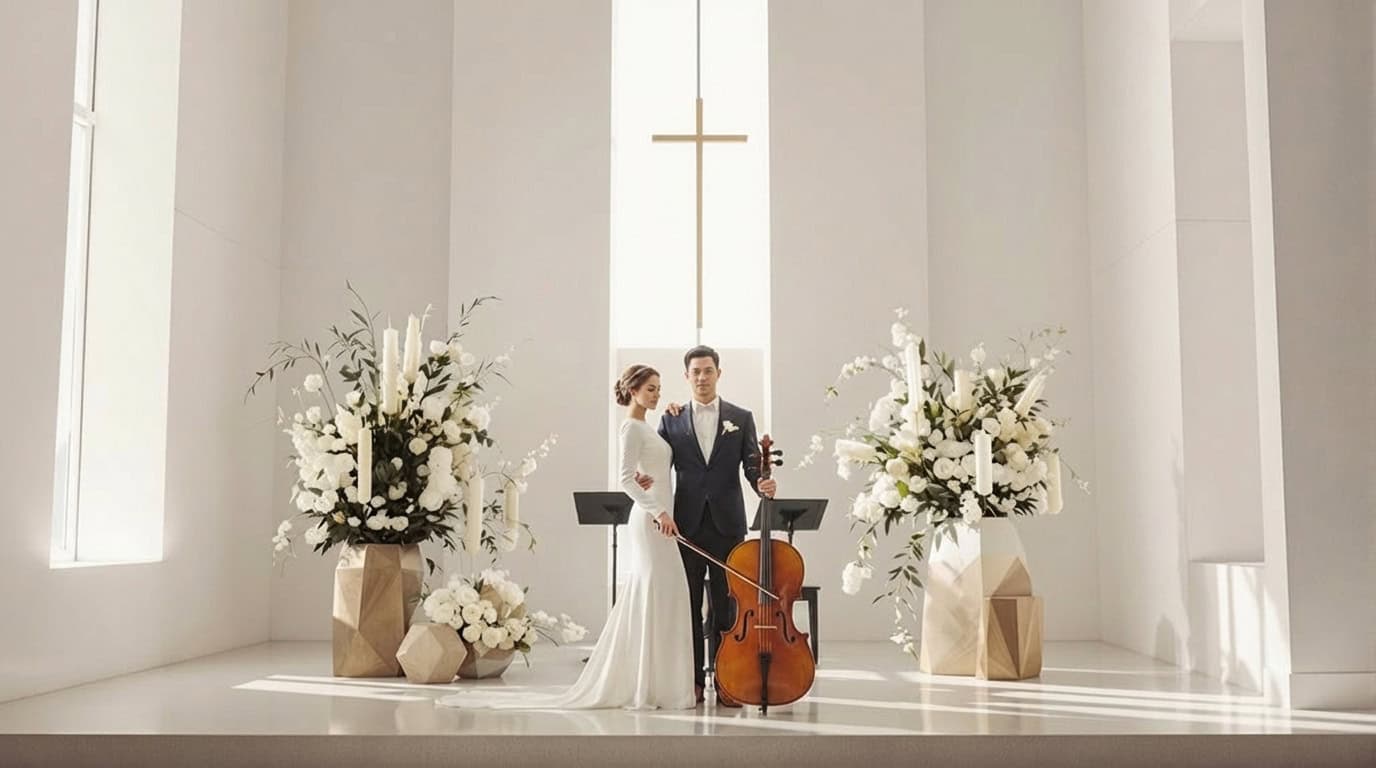
Why does music matter so deeply at your ceremony? Because music doesn’t just fill silence—it creates presence. The live music experience transforms fleeting moments into permanent emotional markers, converting your ceremony from something you’ll remember into something you’ll feel again whenever you recall it.
You’re not planning an Instagram post; you’re crafting the soundtrack to your commitment. The notes played, the voices raised—they’re not background noise but active participants in your ceremony’s emotional architecture. Musicians reading the room, adjusting to your pace, creating collective effervescence among your guests. This is the difference between consumption and communion.
Choose musicians who understand their role: not as entertainers merely, but as emotional conduits. Their ability to adapt, to breathe with your ceremony’s natural rhythm—that’s what transforms good moments into transcendent ones. And yet, this doesn’t require virtuosity, just presence. The right music, performed authentically, becomes both witness and celebrant. Just as proper footwear creates an invisible foundation for physical comfort throughout your celebration, the right music establishes an invisible emotional foundation that supports every moment of your ceremony.