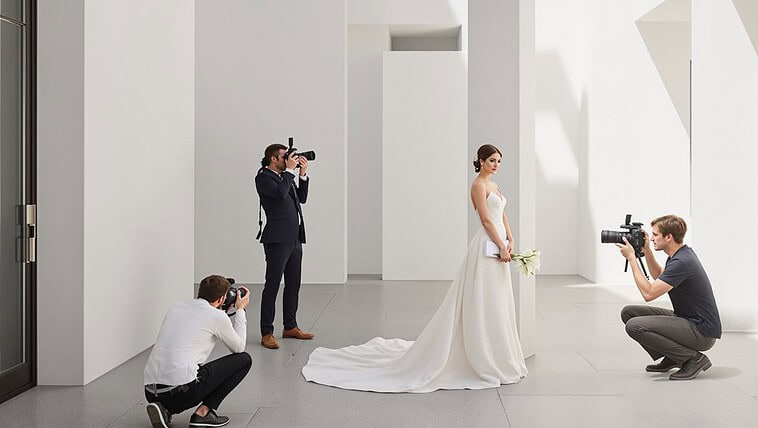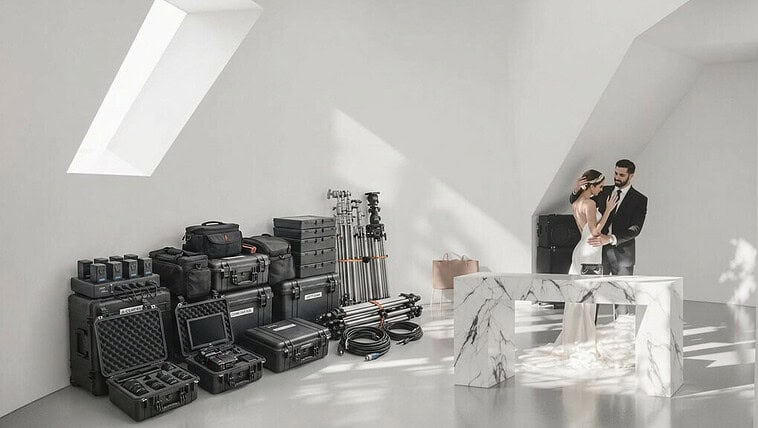

Beyond availability, ask photographers about their backup systems (multiple cameras, 3-2-1 data strategy), crisis management plans, and technical approach to challenging lighting scenarios. Probe their post-processing workflow, communication style, and contract specifics including image rights. Review full project galleries, not just highlights. A photographer who answers with specific scenarios rather than vague assurances isn’t just skilled—they’re prepared for disaster. These questions reveal the difference between documenting moments and preserving emotional experiences.
Beyond Availability and Price

While most clients immediately jump to availability and pricing—understandably urgent concerns—these surface-level inquiries barely scratch the veneer of what truly matters when selecting a photographer. Dig deeper. Request a thorough portfolio review, not just their Instagram highlights, but the full narrative arc of multiple projects that demonstrate consistency across challenging scenarios.
Ask pointed questions about their communication workflow: “How quickly do you respond to client concerns?” “What happens if we disagree about creative direction?” Their answers reveal the infrastructure supporting their artistry—and yet, the most telling responses often emerge when discussing their editing timeline. Twenty-four hour turnaround promises sound impressive, but quality post-processing demands methodical attention. Inquire about their approach to capturing genuine emotions that convey authenticity in their work. Request specifics: “How many preliminary selects from a typical shoot?” “What’s your backup system for image storage?” These technical details expose the professional foundation beneath the creative veneer. Understanding their communication preferences—whether email, calls, or text—ensures alignment with your expectations and facilitates smoother collaboration throughout the planning process.
Technical Capability Questions
Because anyone can take a decent photo in perfect conditions, the true test of a photographer lies in their ability to produce exceptional work when everything goes wrong. You’ll want to probe their technical prowess—not to intimidate, but to ensure they’ve mastered the fundamentals that separate professionals from amateurs.
Ask about their approach to exposure control in challenging situations: “How do you handle dramatic lighting differences between subjects?” Their answer reveals adaptability, not just camera knowledge. Question their focus and depth of field strategies: “What’s your technique for maintaining sharp focus during unpredictable movements?” This uncovers their preparedness for spontaneous moments—those split-second decisions that make or break important shots. Great photographers understand that mastering the exposure triangle helps them balance ISO, shutter speed, and aperture in any situation.
Finally, inquire about their lighting and flash expertise: “How would you handle low-light scenarios without making subjects look washed out?” Their response will illuminate whether they’re relying on equipment or true skill—and yet, the best photographers effortlessly blend both.
Backup Equipment and Systems
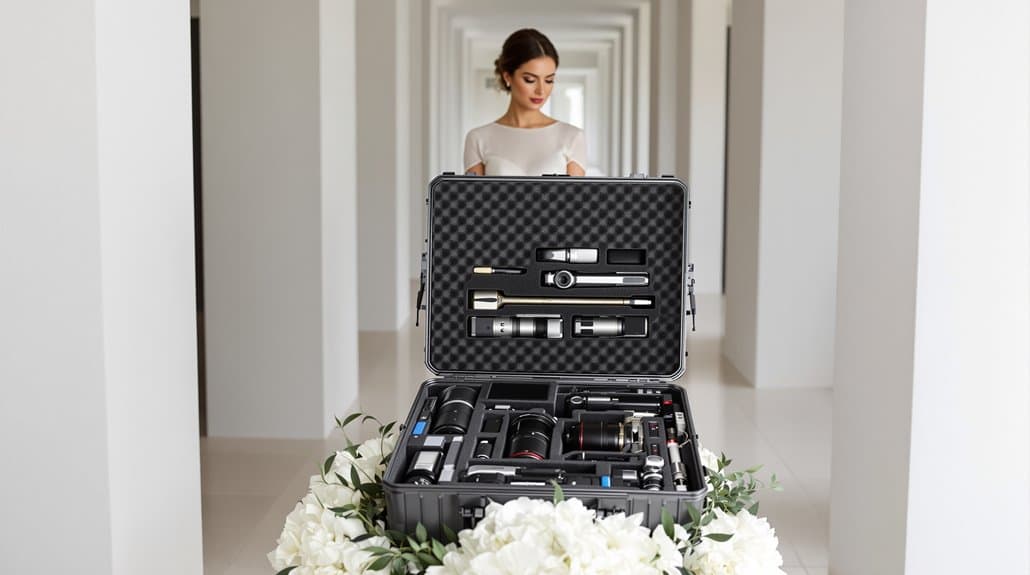
No matter how skilled a photographer appears, their true professionalism reveals itself when disaster strikes—whether a memory card corrupts or a camera body fails mid-shoot. Ask them, point-blank, about their backup systems. Professionals won’t flinch—they’ll describe a resilient 3-2-1 approach: three total copies, across two different devices, with one off-site backup.
Dig deeper. Do they carry redundant equipment to every shoot? What specific data storage solutions protect your precious memories—external drives ($80-150), refined NAS systems ($1,000+), or both? And yet, hardware alone isn’t enough; inquire about automation software like Carbon Copy Cloner or Backblaze cloud backup ($60/year).
The photographer who confidently details their multi-layered protection strategy—spanning in-camera redundancy through off-site backup—isn’t just technically prepared but ethically committed. They’ve invested thousands in safeguarding memories that, unlike their equipment, are genuinely irreplaceable. Whether capturing everyday moments or haute couture beauty campaigns, your images deserve nothing less.
Challenging Lighting Scenario Questions
Listen for specifics, not generalities. A seasoned pro will mention ISO adjustments (50-100 in harsh sun; 1000+ for sparkler exits), aperture strategies (f/1.4 for dim receptions), and positioning techniques (placing subjects near windows while controlling tungsten warmth). They’ll acknowledge the nightmare of fluorescent overhead lighting—those eye-socket shadows!—yet articulate precise solutions involving white balance presets and compositional adjustments.
These challenging lighting scenarios reveal everything about a photographer’s experience. The hesitant ones stumble; the veterans come alive, enthusiastic to share hard-earned wisdom. Just as spatial strategies must align with the cognitive objectives of an event, a photographer’s approach to lighting should demonstrate systematic problem-solving rather than reliance on intuition alone.
Post-Processing Approach and Timeline

While lighting mastery reveals a photographer’s technical prowess, their post-processing approach exposes their artistic vision and professional reliability. Ask directly: “Walk me through your post-processing workflow from capture to delivery.” Their answer—whether they mention multi-pass culling systems or specific color grading techniques—illuminates their organizational rigor and creative standards.
Timeline expectations vary dramatically by project complexity. Simple sessions might deliver in 1-2 weeks, while documentary work requires 2-4 months of scrupulous refinement. And yet, the photographer isn’t always in control; client feedback cycles often double standard timelines.
Inquire about professional finishing standards: “What’s included in your final deliverables?” Superior photographers detail everything from metadata management to file optimization across multiple formats. The depth of their answer reveals whether you’re hiring someone who merely takes pictures or an artist who crafts complete visual narratives—from capture through the complex alchemy of post-production. Like industrial venues that appear affordable at $3,000 but balloon to over $17,500 with infrastructure investments, photographers’ base packages may not reflect the true cost once specialized editing, color correction, and archival services are included.
Contract Specifics to Clarify
Once the creative vision aligns and timelines feel right, you’ll face the cold contractual reality that determines whether your photographer relationship flourishes or fractures. The contract details aren’t mere formalities—they’re the architectural blueprint of expectations that prevent costly misunderstandings. Before signing, interrogate the document with forensic precision.
- Payment terms should specify not just the total cost, but deposit amounts, payment schedule, and any potential overtime rates that might blindside your budget later.
- Scope of services must detail precisely what you’re getting: number of images, hours of coverage, editing specifics, and deliverable formats—vague promises become expensive disappointments.
- Cancellation policies should outline what happens if either party needs to back out, including refund percentages and rescheduling parameters.
- Intellectual property rights deserve special attention, as material use restrictions similar to those enforced by major fashion brands should clarify who owns the images and how they can be used.
Smart clients recognize that the most revealing part of working with photographers isn’t their portfolio, but how thoroughly they’ve considered these contractual contingencies. Ask now, or pay later.
Disaster Scenario Questions

No photographer ever anticipates disaster, and yet every professional worth hiring has carefully planned for it. You’ll want to probe their equipment failure protocols—do they pack multiple camera bodies, duplicate lenses, and those vital dual-slot memory cards that prevent heartbreaking data loss? Seasoned pros maintain at least six backup batteries and redundant storage systems that activate before they even arrive at your venue.
Weather emergencies separate the amateurs from veterans. Ask about their rain sleeve collection, backup indoor location strategies, and whether they’ve shot in conditions mimicking your event’s worst-case scenario. Their answer should involve weatherproofing specifics, not vague reassurances.
Finally, interrogate their on-site crisis management approach. The photographer who instantly describes their emergency kit—complete with step ladder, gaffer tape, and multiple lighting solutions for power outages—isn’t paranoid, they’re prepared. Their contingency planning reflects the seriousness with which they approach your irreplaceable moments. If you’re hosting at a museum venue, confirm they understand strict load-in windows and vendor protocols that could impact their setup timeline and equipment access.
Red Flag Answers to Watch For
As you interview potential photographers, their responses often reveal more than their portfolios ever could. When vetting wedding photographers, listen carefully not just to what they say, but how they say it. Evasiveness about showing complete wedding galleries—not just highlight reels—should immediately raise concerns. You’re investing thousands in memories that can’t be recreated, and yet many clients skip thorough evaluation because they’re uncomfortable asking tough questions.
Watch for these red flag answers when you evaluate photographer questions:
- “I don’t typically show full galleries to potential clients”—translation: they control what you see for a reason.
- “My backup plan is to call photographer friends if needed”—without specific names or guaranteed availability.
- “All editing styles can be accommodated”—impossibly broad claims from someone who should have a signature approach.
Inadequate contingency planning can lead to costly last-minute replacements, with rates typically 30-50% higher than your original budget. Trust your instincts. A photographer’s defensiveness about reasonable inquiries suggests they’re hiding something significant.
Conclusion

Selecting the right photographer fundamentally determines whether you’ll treasure your images for decades or hide them in digital folders, never to be seen again. Availability matters—and yet it’s merely the starting point in photographer selection, not the destination. The questions you’ve asked throughout your interview process reveal far more than schedules and pricing; they’ve revealed a professional’s technical foundation, artistic vision, and business acumen.
Trust your gut when evaluating responses. A photographer who addresses challenging scenarios with confidence, presents backup equipment plans without hesitation, and articulates their post-processing timeline with specificity is demonstrating respect for your investment. Their answers to your interview questions will echo through every image they create.
Just as deliberate choreography transforms ordinary table elements into sophisticated arrangements, a photographer’s intentional approach to composition and execution elevates standard documentation into artful storytelling.
Remember: remarkable photographers don’t just capture what happened—they preserve how it felt. By going beyond basic availability inquiries, you’re ensuring the person behind the lens is worthy of your memories.