
Focus on emotional moments that reveal character: vows with clear audio, first looks, parent dances, and resonant speeches. Cut extended cocktail hour mingling, venue setup shots, and generic dance floor footage after the first hour. Prioritize storytelling over documentation—a tight 5-12 minute film trumps a bloated 30-minute chronology every time. Balance wide establishing shots with intimate close-ups, and use deliberate pacing to maintain involvement. Your film should feel like a curated narrative, not an exhaustive archive.
The Comprehensive Coverage Trap
When newly committed couples start shopping for videographers, they’re often seduced by the promise of “extensive coverage”—eight, ten, even twelve hours of non-stop filming that supposedly captures every meaningful moment. But here’s the industry secret: 90% of that footage ends up on the cutting room floor.
Your wedding film editing process becomes a nightmare when drowning in superfluous content. Those three hours of pre-ceremony small talk? The forty-seven minutes of guests milling around during cocktail hour? Pure bloat.
Less footage, better story. Quality trumps quantity when your memories aren’t measured in minutes.
Instead, focus your coverage scope on what genuinely matters: the raw emotion of your first look, the trembling voices during vows, the spontaneous laughter during toasts. These moments—not the exhaustive documentation of every canapé—create the emotional backbone of your film. If you’ve chosen an architecturally stunning location like the Guggenheim Museum, ensure your videographer captures establishing shots that showcase the venue’s unique character without overshooting.
The most powerful wedding films aren’t exhaustive; they’re curated. They don’t capture everything—they capture the essential footage that tells your unique story with precision and emotional resonance. Couples who demand full creative control often end up with disjointed films that lack the filmmaker’s artistic vision and storytelling expertise.
Essential Moments: Must Film
While certain wedding moments can safely remain uncaptured, others—if missing from your final film—will haunt you for decades. Your essential wedding footage must include the raw emotion of your first look, that irreplaceable moment when your partner first sees you. Unfiltered. Unscripted. Unrepeatable.
Your wedding film coverage should prioritize the vow exchange—every trembling word, every caught breath—captured with crystal-clear audio. The heartfelt messages delivered during the ceremony create emotional highlights that reinforce the significance of your commitment. The kiss, the pronouncement, the recessional: non-negotiable cornerstones.
Parent dances deserve thorough documentation—those three-minute eternities between father-daughter, mother-son that condense decades of relationship into fleeting frames. Toasts, too, with their unexpected revelations and tearful tributes, require multiple angles and pristine sound.
The “we’re married” realization—that giddy, disbelieving exchange of glances after the ceremony—might last five seconds, but it’s the emotional nucleus of your wedding video moments. When discussing coverage priorities with your videographer, approach the conversation as a partnership where transparency about your budget leads to creative solutions that maximize value within your constraints. Splurge on coverage here; economize elsewhere.
Cuttable Footage: What Drags
Not every second of your wedding day deserves immortalization in your final film. Your wedding film coverage should ruthlessly exclude the mundane—those getting-ready small talk sessions, extended cocktail mingling, and generic dance floor moments that drain momentum rather than build it. These sequences require minimal editing effort precisely because they contribute so little to your story’s emotional arc.
When evaluating your wedding videography priorities, consider cutting:
- Three-minute sequences of bridesmaids applying makeup while discussing weekend plans
- Repetitive guest dancing shots after the first hour of reception coverage
- Extended venue setup footage showing staff arranging chairs
The most powerful film moment selection comes from recognizing what to exclude. Your videographer should focus intensely on narrative-driving elements—vows exchanged with trembling voices, your father’s face during that first dance, the best man’s unexpected toast tearjerker—and mercilessly eliminate anything that pulls viewers away from these emotional peaks.
Pacing Optimization
The emotional rhythm of your wedding film matters more than any technical specification you’ll obsess over. Proper pacing transforms scattered footage into a cohesive story that mirrors your wedding’s actual emotional arc construction. It’s the invisible architecture that determines whether viewers remain captivated or check their watches.
| Moment Type | Ideal Pacing | Emotional Impact |
|---|---|---|
| Ceremony vows | Slow, lingering | Intimacy, vulnerability |
| First look | Extended build, slow reveal | Anticipation, catharsis |
| Reception dancing | Rapid cuts, energy | Celebration, joy |
Your wedding videography priorities should include balancing slow-motion usage—save it for confetti tosses and first kisses, never speeches. Fast cuts energize reception footage, making three hours feel like an exhilarating sprint. And yet, your most precious moments—the walk down the aisle, the exchange of rings—deserve breathing room. Consider capturing golden hour photos approximately 45 minutes before sunset, when the ideal lighting creates luminous, naturally beautiful footage with minimal equipment needed. Smart wedding video planning means letting emotion, not arbitrary timing, dictate your film’s rhythm.
Narrative Coherence Over Documentation
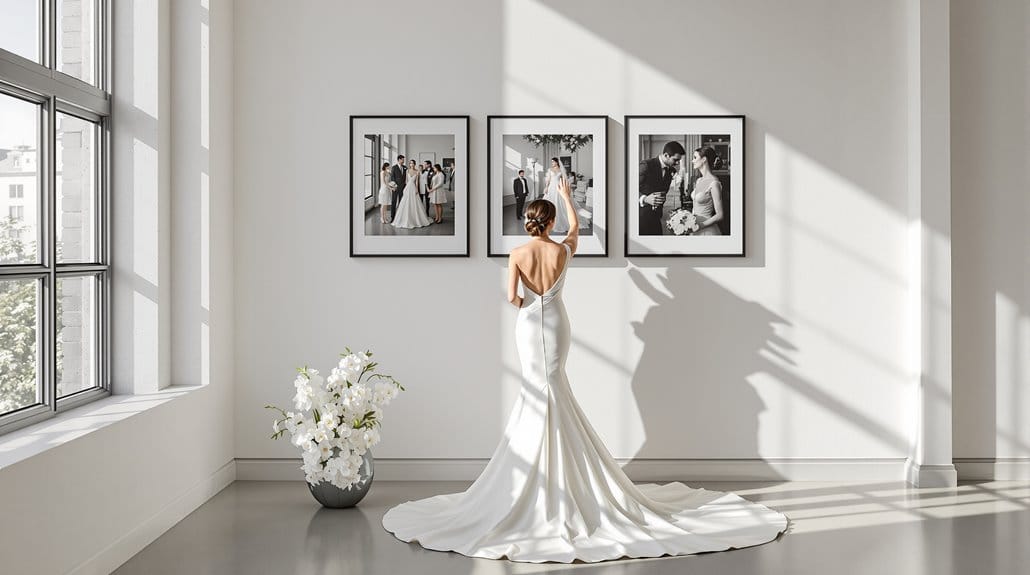
Pacing sets the emotional architecture of your film, but narrative coherence transforms scattered beautiful moments into something transcendent—a story worthy of your love. When planning your wedding film coverage, prioritize sequences that advance your relationship’s story rather than documenting every minute. The most compelling wedding films aren’t exhaustive records but carefully crafted narratives.
- Your vows, first dances, and personal letters create emotional anchors—film these with unwavering dedication
- Cocktail hour small talk and reception background footage often dilutes your film’s impact—be ruthless in cutting these
- Pre-wedding interviews provide context that transforms disconnected visuals into a cohesive journey
Your wedding videography priorities should revolve around moments that reveal character and relationship depth. A five-minute film with thoughtfully selected, story-advancing content will move viewers more profoundly than thirty minutes of chronological documentation. Consider how ceremony timing itself shapes your narrative opportunities—golden hour lighting during vows creates cinematic depth that harsh midday footage simply cannot match. And yet, the right ambient moment—perfectly timed—can reveal more than any scripted sequence.
Briefing Videographer on Priorities
Establishing clear priorities with your videographer means securing the difference between forgettable documentation and an heirloom you’ll revisit for decades. Don’t leave this conversation to chance—hand over your complete itinerary weeks before, not days, including travel times between venues and designated setup periods.
Create a non-negotiable shot list broken into five distinct phases: Getting Ready, First Look, Ceremony, Reception, and Send-Off. Be rigorously specific about which moments merit cinematic treatment versus documentary coverage—vows demand lavish attention; cocktail hour rarely does. Request lavalier mics for anyone speaking, and designate a day-of coordinator as your videographer’s point person.
Discuss style with surgical precision: cinematic or documentary? Color grading preferences? Music selection parameters? And yet, leave room for spontaneity—the most touching moments often arrive unscheduled. If you’re aiming for a haute couture aesthetic, coordinate with your makeup artist to ensure your beauty looks translate flawlessly on camera, from getting-ready moments through the final send-off. The best wedding films balance meticulous planning with space for genuine emotion to breathe.
Examples: Tight Edit vs Bloated Film

Comparing professionally produced wedding films reveals a stark truth about editing choices: there’s a chasm between tight, persuasive narratives and bloated, attention-draining productions. You’ll notice the difference immediately in how footage is curated—tight edits strategically balance wide establishing shots with intimate close-ups, while bloated films rely excessively on telephoto lenses, creating a claustrophobic viewing experience.
- A 5-minute highlight film with purposeful shot variety feels more complete than a 20-minute feature drowning in redundant footage and music-heavy segments
- Tight edits use J-cuts to create perceived multi-camera coverage from limited angles—bloated films showcase every angle without narrative purpose
- Strategic sound bite placement (dialogue overlapping with visuals) in tight edits eliminates the need for extended interview segments that plague bloated productions
The most compelling wedding films aren’t necessarily longer—they’re better constructed, with deliberate pacing that respects your viewers’ attention while honoring the emotional weight of your day. Just as meaningful symbols like engagement rings celebrate love stories through intentional design choices, your wedding film should use purposeful editing to reflect the unique narrative of your celebration.
Conclusion
When you entrust your wedding memories to film, you’re not simply documenting an event—you’re crafting a narrative that will outlast the flowers, the cake, and even your most vivid recollections. This narrative demands deliberate choices. The statistics don’t lie: 98% of couples who invest in professional videography recommend it—and yet, this only happens when the final product respects your time and attention.
Your film should breathe. Cut cocktail small talk; keep parent dances. Eliminate redundant reception footage; preserve every syllable of your vows. The most successful wedding films (running 5-12 minutes, not a frame longer) transform raw documentation into emotional architecture through ruthless editing decisions.
Just as your videographer curates moments, your textile choices create a visual language that reinforces your wedding story through every frame—from the drape of your gown to the texture of your table linens.
Remember: your videographer spends 9 hours capturing your day, but your loved ones will revisit this film for decades. Their experience—the clarity of audio, the coherence of color, the authenticity of moments—hinges entirely on what you choose to include and, more importantly, what you dare to cut.