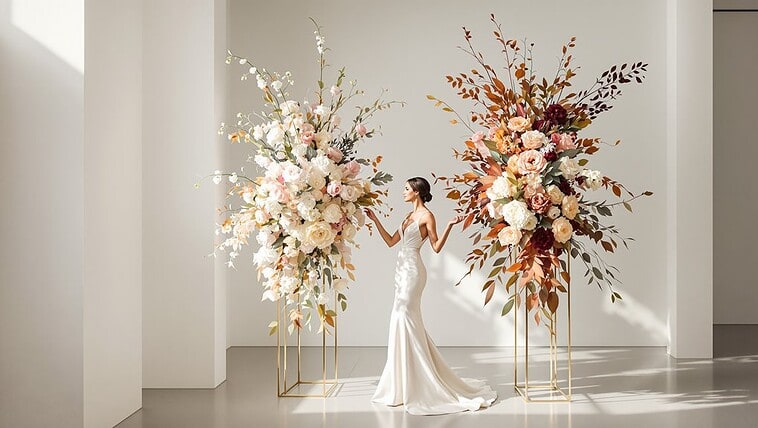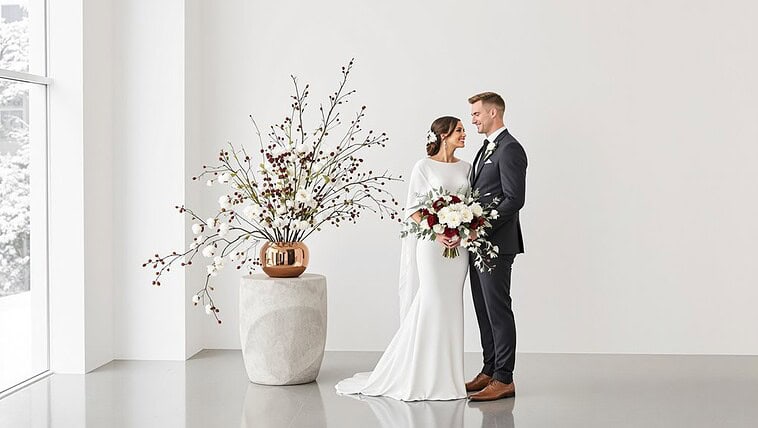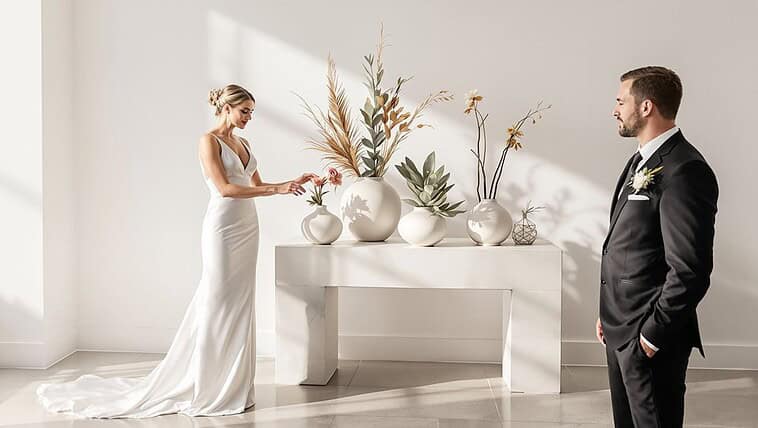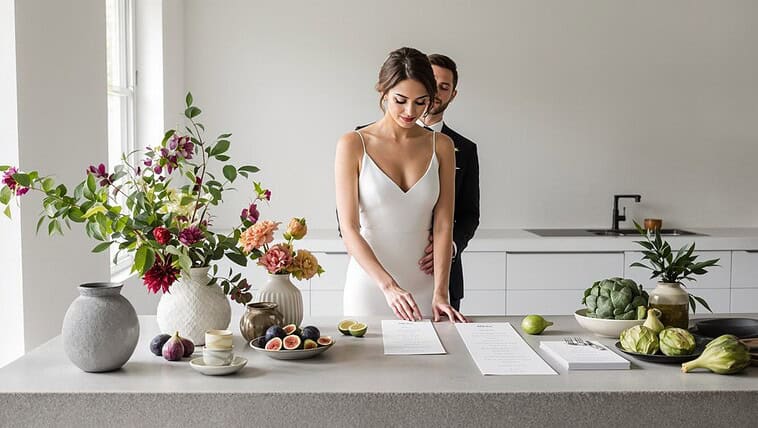
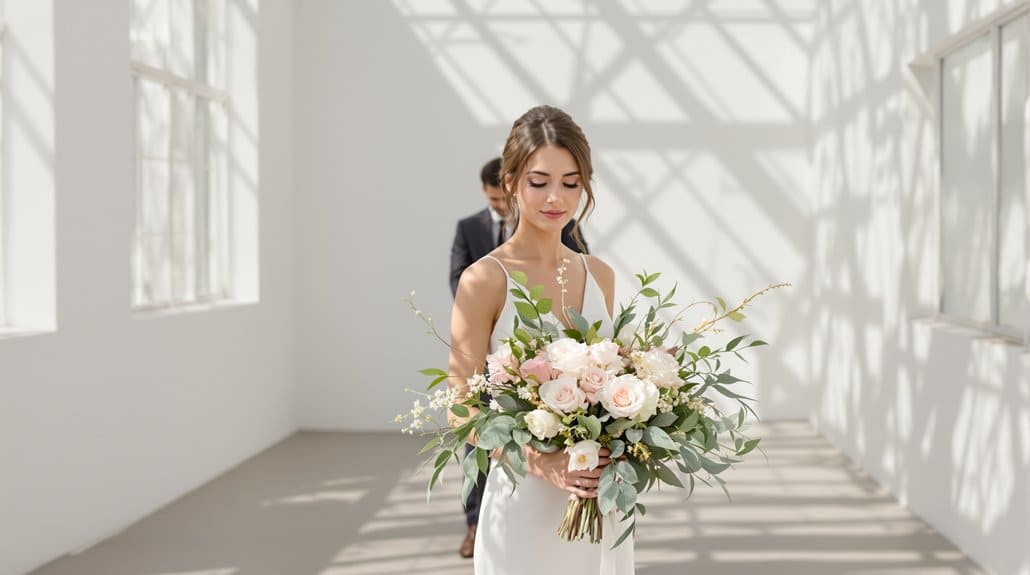
Choosing seasonal flowers isn’t about rigid formulas—it’s about design integrity. You’ll save 30-50% on costs while getting blooms that last 3-5 days longer than imports. Local selections generate 87% fewer emissions and support regional growers, yet sometimes imports are necessary for specific design visions. What matters isn’t blind adherence to seasonality but making intentional, value-aligned choices that reflect both artistic purpose and ethical consciousness. The true art lies in knowing when to embrace—or transcend—nature’s calendar.
The Seasonal Rules Problem – Essay opening

Why do we trap ourselves in formulaic floral design prisons? You’ve seen it—the rigid 60-30-10 ratios, the Golden Ratio demands, the three-shade color dogma—all forcing us to impose year-round uniformity on what’s inherently cyclical. Seasonal flower importance isn’t just some Instagram hashtag; it’s the backbone of design integrity.
You’re facing impossible standards: maintaining height variations when winter offers limited lateral stems, adhering to color formulas when fall naturally produces specific palettes, forcing summer’s abundant focals into spring’s limited supporting cast. Trying to always include textured elements in every arrangement ignores nature’s seasonal offerings. And yet, seasonal design integrity emerges precisely when we respect nature’s variegations rather than fight them.
The meaning of flower seasonality transcends trendy “must-use seasonal” mantras. It’s economic reality—importing off-season blooms inflates costs beyond that $35-$50 sweet spot your customers expect. It’s quality assurance—seasonal blooms simply last longer, look better, feel authentic. The Flowers & Plants Association provides resources that help florists navigate these seasonal considerations with practical industry insights. Rules constrain; seasons liberate.
The Real Argument for Seasonal: Design Integrity
Design integrity stands at the heart of why seasonal flowers matter—beyond trendy dicta about what you “must” use. When you select blooms at their natural peak, you’re not following rules—you’re honoring authenticity. Spring pastels naturally complement April weddings; winter’s crystalline arrangements capture December’s essence. It’s simple aesthetic cohesion.
Your intentional floral choices reflect a deeper understanding of design’s purpose: resonance with environment, occasion, and emotional terrain. Summer’s abundance invites experimentation with unexpected combinations; autumn’s warm palette demands different creative solutions—constraints that paradoxically expand your artistic range. This approach naturally results in cost savings as seasonal blooms are significantly more affordable than imported alternatives. For destination weddings, locations like California wine country offer natural backdrops where seasonal blooms enhance the existing landscape’s character.
And yet, seasonal design integrity isn’t merely aesthetic. It’s practical wisdom. In-season flowers arrive with maximum vase life, ideal fragrance, and fuller blooms—tangible quality differences your clients experience but may not articulate. When you design seasonally, you’re not capitulating to fashion; you’re acknowledging that nature’s rhythm produces superior results than stubbornness against it.
Cost and Quality Advantages
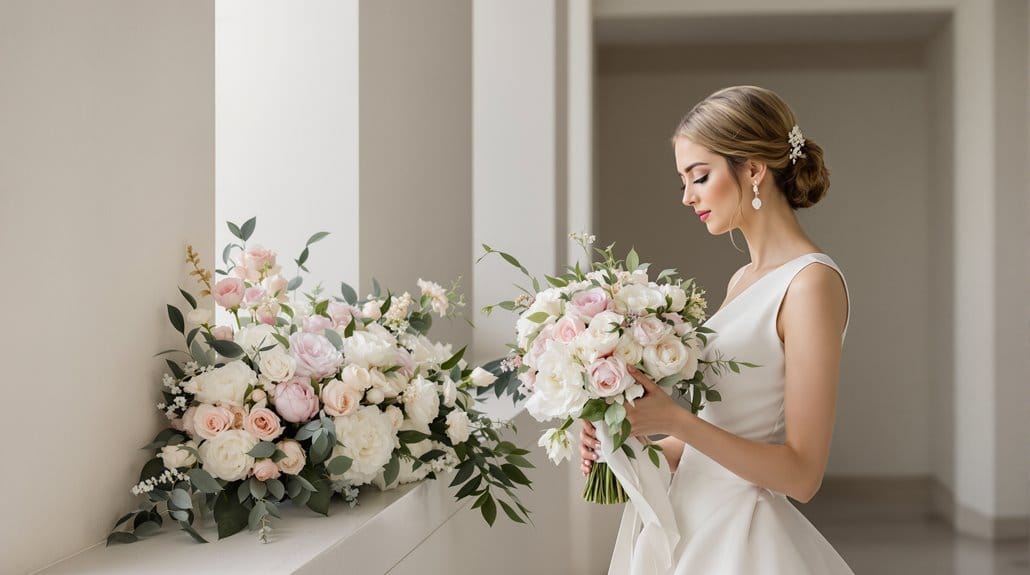
While design integrity provides the philosophical foundation for seasonal flower selection, the economic benefits offer equally persuasive arguments for this approach. You’ll slash costs dramatically—in-season blooms cost 2-3x less than their out-of-season counterparts. Those peonies you love? Affordable in May, outrageous in December when they’re flown from the Southern Hemisphere.
But cost reduction through seasonal availability isn’t merely about saving money; it’s about superior quality. Locally sourced seasonal flowers arrive fresher—hours from field to vase versus days of international transit. They last longer, look better, smell stronger. The natural growing conditions produce specimens that greenhouse-forced blooms simply cannot match.
The numbers tell a convincing story: seasonal arrangements average $100-$300 versus exotic designs that shatter budgets, and DIY seasonal bouquets deliver 50-80% savings compared to comprehensive options. This pricing advantage mirrors other tourism industries where seasonal availability directly influences both cost structure and consumer experience. Seasonal design integrity, then, aligns perfectly with both your aesthetic vision and financial reality.
Environmental Considerations
Beyond aesthetics and economics, choosing seasonal flowers fundamentally represents an act of environmental stewardship that few consumers fully appreciate. The carbon footprint differential is staggering: imported bouquets generate up to 10 times greater emissions than their local counterparts—a Dutch lily produces 3.478kg CO2 versus just 0.819kg for its UK-grown equivalent. You’re making choices with global consequences every time you select flowers.
Seasonal design integrity isn’t merely philosophical; it’s quantifiably better for our planet. Those perfect, identical blooms from overseas? They’re drenched in chemicals—one-fifth of which are often banned in the US. When you choose seasonal offerings, you’re supporting chemical and pesticide reduction throughout the supply chain. And yet, the environmental calculus extends further: seasonal flowers align with natural precipitation patterns, reducing artificial irrigation in regions where 900 cubic meters of water per hectare are consumed monthly by conventional flower farms. Your bouquet decisions matter—profoundly. If you’re planning celebrations where sustainable choices matter most, venues like the Metropolitan Museum of Art offer spaces where thoughtful floral selections can complement architectural grandeur without compromising environmental values.
Seasonality as Values Choice
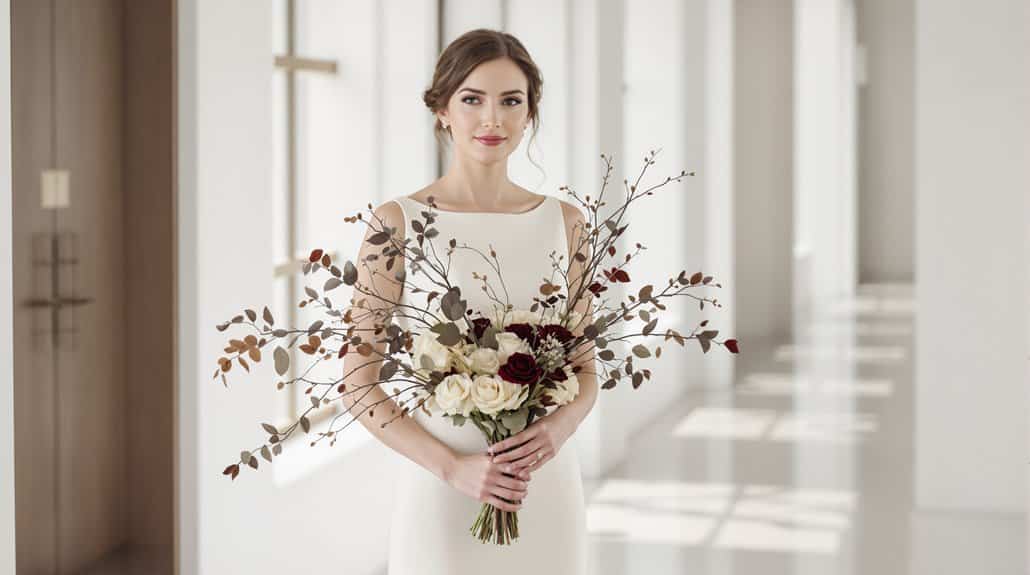
The environmental ethics of flower selection extends naturally into a more profound consideration: choosing seasonal blooms represents a values declaration that permeates every aspect of your floral decisions. When you commit to seasonal design integrity, you’re not merely following trends—you’re aligning your aesthetic choices with natural rhythms that have governed beauty since before commerce existed.
Your seasonal choice values manifest through:
- Authenticity in design—embracing each season’s inherent palette rather than forcing nature into submission
- Economic honesty—paying fair prices that reflect genuine availability, not artificial scarcity
- Community investment—supporting local growers who work in harmony with regional growing cycles
Natural cycle alignment isn’t just environmentally responsible; it’s a philosophical stance. You’re rejecting the modern illusion that everything should be available always, and instead embracing the profound truth that limitations create meaning. Seasonality transforms flower selection from consumption into connection—with place, time, and the honest realities of growth. This same thoughtful approach to wedding day beauty can extend beyond florals to how you select skincare and cosmetics that honor both quality and values.
When to Choose Seasonal vs When Imports Fine
Deciding between seasonal blooms and imported varieties presents a nuanced choice that extends far beyond mere preference or convenience. The seasonal flowers philosophy embodies design integrity—pairing blooms with their natural moment creates authentic arrangements that feel right.
| Scenario | Seasonal Best | Imports Justified |
|---|---|---|
| Events | Casual gatherings, farm-to-table dinners | Precise color palette weddings, December galas |
| Budget | Peak-season savings (30-50% less) | When specific varieties matter more than cost |
| Values | Environmental consciousness, local economy support | Creative expression requiring exact specimens |
You’ll find seasonal design integrity shines when you embrace nature’s rhythm—those May peonies last 7-10 days compared to 3-4 for imported counterparts. And yet, there’s legitimate space for imports when your vision demands December dahlias or exact-match bridesmaids’ bouquets. Just as couples planning celebrations must navigate official marriage requirements and licensing procedures, floral decisions require understanding both regulations and authentic expression. The question isn’t whether seasonal matters—it’s understanding when aligning with nature serves your purpose best.
Intentionality Over Rule-Following

Intentionality transforms floral design from mechanical rule-following to artistic expression—a distinction that separates memorable arrangements from forgettable ones. When you prioritize purpose over prescriptive rules, you’re free to create compositions that speak through deliberate line creation, purposeful negative space, and thoughtful color relationships.
Consider these principles when challenging the “seasonal only” dogma:
- Design integrity – Curved willow branches paired with structured blooms create tension that feels authentic, not formulaic
- Visual hierarchy – A single imported focal bloom surrounded by seasonal fillers often outperforms arrangements adhering blindly to seasonal mandates
- Composition balance – Asymmetrical designs using 60% seasonal, 40% specialty flowers can achieve both environmental consciousness and artistic distinction
Your arrangements should reflect decisions made with purpose, not obligation. Just as Massachusetts marriage license requirements demand specific documentation for legal validity, floral design benefits from understanding foundational guidelines before choosing which to honor or transcend. The sophistication lies in knowing when to follow conventions and when—with complete confidence—to break them. Design choices rooted in intentionality will always surpass blind rule-following.
Conclusion
Beyond mere industry convention, seasonal flower selection represents a thorough approach to design—one that naturally incorporates environmental stewardship, quality assurance, and artistic integrity. You’re not just following a trend when choosing seasonal blooms; you’re participating in a complete value system that honors nature’s rhythms while delivering superior results.
| Seasonal Choice | Tangible Impact | Long-term Benefit |
|---|---|---|
| Local sourcing | 87% reduction in transport emissions | Preservation of regional growing traditions |
| Natural timing | 3-5 days longer vase life | Economic support for responsible growers |
| Certification verification | Eliminates exploitative labor | Creates market demand for ethical production |
The path forward isn’t about rigid rules—it’s about informed choice. Your decisions carry weight, influence markets, and shape industry standards. And yet, this isn’t about perfection. It’s about progress—thoughtful steps toward designs that honor both beauty and responsibility, recognizing that integrity manifests through conscientious action rather than performative compliance. Just as wedding makeup preparation requires intentional planning and quality products, floral design demands the same commitment to excellence through deliberate seasonal choices.